Blog Post:
When it comes to boosting fertility, many people focus solely on physical health and overlook the importance of self-care practices. However, maintaining a healthy fertility diet not only includes eating nutritious foods but also taking care of your mental and emotional well-being. In this blog post, we will discuss the top self-care practices for a healthy fertility diet.
1. Prioritize Sleep
Getting enough quality sleep is crucial for hormone regulation and overall well-being. Studies have shown that women who get less than seven hours of sleep per night have a harder time getting pregnant than those who get seven to eight hours. Make it a priority to get at least seven hours of sleep each night and try to establish a consistent sleep schedule.
2. Manage Stress
Stress can have a significant impact on fertility, so it’s important to find ways to manage it. This can include meditation, yoga, deep breathing exercises, or even talking to a therapist. Find what works best for you and make it a part of your daily routine. Additionally, try to minimize stressors in your life and practice self-care activities such as taking a warm bath, reading a book, or going for a walk.
3. Stay Hydrated
Drinking enough water is essential for overall health and fertility. Water helps to flush out toxins from the body and keep your reproductive organs functioning properly. It’s recommended to drink at least eight glasses of water per day, but this can vary based on individual needs. If you struggle to drink enough water, try adding some flavor with fruits or herbs to make it more enjoyable.
4. Include Healthy Fats in Your Diet
Healthy fats play a crucial role in hormone production and regulation. Incorporating foods such as avocados, nuts, olive oil, and fatty fish into your diet can help improve fertility. These fats also provide essential nutrients for the development of the baby’s brain and nervous system if you do become pregnant.
5. Eat a Balanced Diet
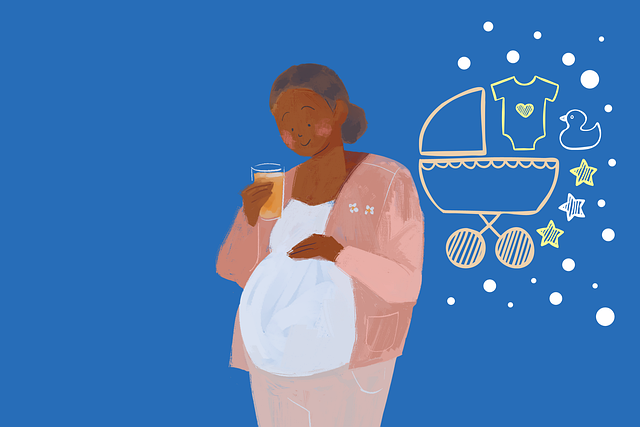
Self-Care Practices for a Healthy Fertility Diet
A well-balanced diet is key to maintaining a healthy fertility diet. Make sure to include a variety of fruits, vegetables, whole grains, lean proteins, and healthy fats in your meals. Avoid processed and sugary foods, which can disrupt hormone balance and lead to inflammation in the body.
6. Supplement with Key Nutrients
In addition to a healthy diet, certain nutrients have been shown to improve fertility. These include folic acid, iron, and vitamin D. Consult with your doctor or a registered dietitian to determine if you should incorporate these supplements into your diet.
7. Limit Alcohol and Caffeine Intake
Excessive alcohol and caffeine consumption have been linked to fertility issues. It’s recommended to limit alcohol consumption to one drink per day and to stick to one or two cups of coffee per day. If you’re trying to conceive, it may be beneficial to cut out alcohol and caffeine altogether.
8. Practice Mindful Eating
Eating mindfully means paying attention to the food you are eating and how it makes you feel. This practice can help you to make healthier food choices and avoid overeating. Take time to savor and appreciate your meals, and listen to your body’s hunger and fullness cues.
9. Engage in Gentle Exercise
Regular physical activity can help to regulate hormones and improve fertility. However, intense and high-impact exercises can actually have a negative impact on fertility. Instead, focus on gentle and low-impact activities such as walking, yoga, or swimming.
10. Connect with Others
Dealing with fertility issues can be emotionally taxing, so it’s important to have a support system. Connect with others who are going through a similar experience, whether it’s through a support group or online community. Sharing your struggles and feelings with others can help to reduce stress and make you feel less alone.
In summary, maintaining a healthy fertility diet goes beyond just eating nutritious foods. It’s essential to also prioritize self-care practices such as getting enough sleep, managing stress, staying hydrated, including healthy fats in your diet, and practicing mindful eating. Additionally, limiting alcohol and caffeine intake, supplementing with key nutrients, engaging in gentle exercise, and connecting with others can also have a positive impact on fertility.