Managing Chronic Health Conditions While Preparing for Pregnancy
For many women, preparing for pregnancy can be an exciting and overwhelming time. There are so many things to consider, from tracking ovulation to taking prenatal vitamins. However, for women with chronic health conditions, the process can be even more complex. Managing chronic health conditions while preparing for pregnancy requires careful planning and consideration to ensure the health and well-being of both the mother and the baby.
In this blog post, we will discuss some tips and strategies for managing chronic health conditions while preparing for pregnancy. We will cover important topics such as preconception planning, medication management, and lifestyle changes. Our goal is to provide helpful information and resources to support women with chronic health conditions in their journey towards motherhood.
Preconception Planning
The first step in managing chronic health conditions while preparing for pregnancy is to engage in preconception planning. This involves working closely with your healthcare provider to assess the status of your health and make any necessary adjustments before trying to conceive. This is especially important for women with chronic health conditions, as certain medications and health conditions can affect fertility and increase the risk of complications during pregnancy.
During the preconception planning phase, your healthcare provider may recommend certain tests and screenings to ensure that your chronic health condition is well-managed. They may also provide guidance on how to adjust your medication regimen to make it more suitable for pregnancy. It is important to follow these recommendations closely and communicate any concerns or questions with your healthcare provider.
Medication Management
One of the biggest concerns for women with chronic health conditions who are planning for pregnancy is medication management. Many medications used to treat chronic health conditions may not be safe during pregnancy and may need to be adjusted or stopped altogether. It is crucial to speak with your healthcare provider about your medication regimen before trying to conceive.
In some cases, your healthcare provider may be able to switch you to a safer alternative medication. However, for some chronic health conditions, there may not be a safe alternative, and the risks and benefits of continuing the medication during pregnancy will need to be carefully weighed. In these situations, close monitoring and communication with your healthcare provider are essential.
Lifestyle Changes
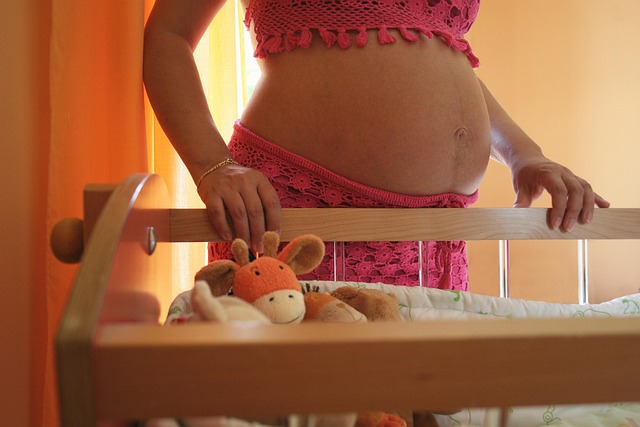
Managing Chronic Health Conditions While Preparing for Pregnancy
In addition to medication management, lifestyle changes may also be necessary for women with chronic health conditions who are preparing for pregnancy. This can include dietary adjustments, exercise routines, and stress management techniques. These lifestyle changes can help improve overall health and reduce the risk of complications during pregnancy.
For example, women with diabetes may need to closely monitor their blood sugar levels and make dietary changes to keep their blood sugar under control. Women with autoimmune conditions may need to reduce stress levels and practice relaxation techniques to prevent flare-ups. It is important to work with your healthcare provider to create a personalized plan that addresses your specific needs and health condition.
Support Network
Managing chronic health conditions while preparing for pregnancy can be overwhelming, both physically and emotionally. It is important to have a strong support network during this time. This can include family, friends, and healthcare providers who can offer support and guidance throughout the process.
Joining support groups or online communities for women with similar health conditions can also be beneficial. These groups can provide a sense of community and a safe space to share experiences and tips for managing chronic health conditions while preparing for pregnancy.
Stress Management
Stress management is crucial for women with chronic health conditions who are preparing for pregnancy. High levels of stress can negatively impact both physical and mental health, and can also affect fertility. It is important to find healthy ways to manage stress, such as practicing relaxation techniques, engaging in regular physical activity, and seeking support from loved ones.
Additionally, it is important to stay informed and educated about your chronic health condition. This can help reduce anxiety and empower you to make informed decisions about your health and pregnancy.
In Conclusion
Managing chronic health conditions while preparing for pregnancy requires careful planning, medication management, lifestyle changes, and a strong support network. It is crucial to work closely with your healthcare provider and follow their recommendations to ensure the health and well-being of both the mother and the baby. With proper planning and support, women with chronic health conditions can have successful pregnancies and healthy babies.
In summary, managing chronic health conditions while preparing for pregnancy involves preconception planning, medication management, lifestyle changes, and building a strong support network. It is important to work closely with a healthcare provider, make necessary adjustments to medication and lifestyle, and manage stress effectively. With the right support and planning, women with chronic health conditions can have successful pregnancies and healthy babies.