Preparing for Pregnancy: Understanding Ovulation and Fertility Tracking
Pregnancy is a beautiful and life-changing journey for many women. However, it is not always an easy path. For some, it may take months or even years of trying to conceive before finally getting pregnant. This can be a frustrating and emotional experience, but understanding your body’s ovulation cycle and utilizing fertility tracking methods can greatly increase your chances of getting pregnant. In this blog post, we will dive into the basics of ovulation and fertility tracking, and provide you with the necessary information to prepare for pregnancy.
Understanding Ovulation
Ovulation is the process in which a mature egg is released from the ovary, making it available for fertilization. This usually occurs once a month, around day 14 of a 28-day menstrual cycle. However, every woman’s body is different, and ovulation can occur at different times for different women. It is important to understand your body’s unique ovulation cycle to effectively track your fertility.
The Ovulation Cycle
The ovulation cycle is controlled by hormones, mainly estrogen and progesterone, which are produced by the ovaries. These hormones work together to trigger the release of an egg from the ovary. The cycle begins on the first day of menstruation, also known as day one of your menstrual cycle. During this time, the lining of the uterus sheds, and the cycle restarts.
As the cycle progresses, estrogen levels increase, causing the lining of the uterus to thicken in preparation for a possible pregnancy. This is also the time when the ovaries begin to develop an egg. Once the egg is mature, a surge of luteinizing hormone (LH) is released, triggering ovulation. The egg is then released from the ovary and travels through the fallopian tubes towards the uterus. If the egg is fertilized by a sperm, it will implant itself in the uterus and pregnancy will occur. If not, the egg will disintegrate, and the cycle will start all over again.
Understanding your Ovulation Cycle
As mentioned earlier, every woman’s body is different, and ovulation can occur at different times for different women. Some women may have a regular 28-day cycle, while others may have a shorter or longer cycle. It is important to track your ovulation cycle to determine when you are most fertile. This will greatly increase your chances of getting pregnant.
Preparing for Pregnancy: Understanding Ovulation and Fertility Tracking
There are a few ways to track your ovulation cycle. One way is to use an ovulation predictor kit (OPK). These kits work by detecting the surge of LH in your urine, indicating that ovulation is about to occur. Another method is to track your basal body temperature (BBT). This is done by taking your temperature first thing in the morning before getting out of bed. A rise in temperature usually indicates that ovulation has occurred. You can also track changes in your cervical mucus. As ovulation approaches, your cervical mucus becomes thin, clear, and stretchy, resembling egg whites.
Fertility Tracking Methods
In addition to tracking your ovulation cycle, there are other methods you can use to track your fertility and increase your chances of getting pregnant. One method is the fertility awareness method (FAM). This method involves tracking your basal body temperature, cervical mucus, and other fertility signs to determine when you are most fertile. Another method is the Standard Days Method (SDM), which involves tracking your menstrual cycle and avoiding unprotected sex on days 8-19 of your cycle, as these are the most fertile days.
There are also various apps and fertility trackers available that can help you track your ovulation and fertility signs. These apps use algorithms to predict your fertile days based on the information you input. However, it is important to note that these methods are not foolproof, and it is always best to consult with a healthcare professional for personalized advice.
Preparing for Pregnancy
Now that you have a better understanding of ovulation and fertility tracking, it is time to prepare for pregnancy. First and foremost, it is essential to maintain a healthy lifestyle by eating a well-balanced diet, exercising regularly, and avoiding harmful substances such as alcohol and tobacco. Additionally, taking prenatal vitamins and supplements, such as folic acid, can help prepare your body for pregnancy and reduce the risk of birth defects.
It is also crucial to manage any underlying health conditions, such as diabetes or thyroid disorders, before trying to conceive. These conditions can affect fertility and increase the risk of complications during pregnancy. Consulting with a healthcare professional and addressing any health concerns beforehand can greatly improve your chances of a healthy pregnancy.
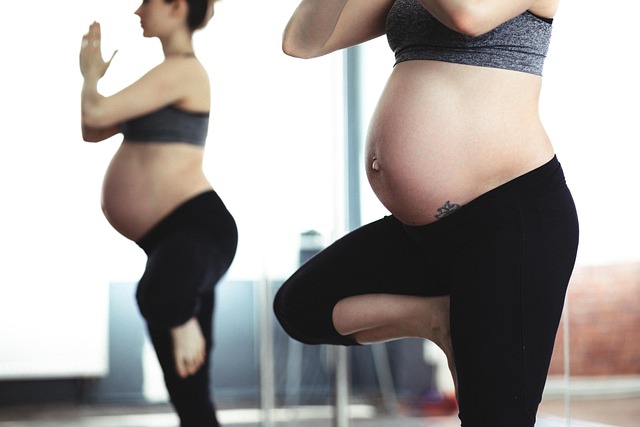
Lastly, it is important to manage stress and have a positive mindset. Stress can affect hormone levels and disrupt your ovulation cycle, making it more difficult to conceive. Engaging in relaxation techniques such as yoga, meditation, or spending time in nature can help reduce stress levels and improve your overall well-being.
In summary, understanding ovulation and fertility tracking is crucial for preparing for pregnancy. By tracking your ovulation cycle and utilizing fertility tracking methods, you can determine when you are most fertile and increase your chances of getting pregnant. Maintaining a healthy lifestyle, managing underlying health conditions, and reducing stress levels are also important factors to consider when preparing for pregnancy. Remember to always consult with a healthcare professional for personalized advice and guidance on your journey to parenthood.