What to Expect When You’re Preparing for Pregnancy After 35
Pregnancy is a life-changing experience, regardless of age. However, for women over the age of 35, the journey to motherhood can come with its own set of unique challenges and considerations. While it is certainly possible to have a healthy pregnancy and baby after the age of 35, it’s important to be aware of the potential risks and take proactive steps to ensure a smooth and successful pregnancy. In this blog post, we will discuss what to expect when you’re preparing for pregnancy after 35 and provide helpful tips for a healthy and happy pregnancy journey.
The Risks of Pregnancy After 35
The medical term for pregnancy after the age of 35 is “advanced maternal age.” While this term may sound daunting, it simply means that the mother is over the age of 35 at the time of conception. As women age, their fertility naturally decreases, making it more difficult to conceive. In fact, according to the American College of Obstetricians and Gynecologists, a woman’s fertility begins to decline significantly after the age of 32. This decline becomes even more rapid after the age of 37.
Aside from decreased fertility, there are also potential health risks associated with pregnancy after 35. These include a higher chance of miscarriage, stillbirth, and chromosomal abnormalities such as Down syndrome. Additionally, women over 35 are more likely to develop gestational diabetes, high blood pressure, and preeclampsia during pregnancy. It’s important to be aware of these risks and take the necessary steps to minimize them.
Preparing for Pregnancy After 35
If you’re considering pregnancy after the age of 35, it’s important to plan and prepare in advance. This includes making lifestyle changes to optimize your health and fertility. Here are some tips to help you prepare for a healthy pregnancy:
1. Consult with Your Doctor: The first step in preparing for pregnancy after 35 is to consult with your doctor. They will be able to assess your overall health and provide personalized advice and recommendations. They may also conduct tests to check your fertility and screen for any potential health issues that may affect your pregnancy.
2. Maintain a Healthy Weight: Women who are overweight or underweight may have difficulty conceiving and have a higher risk of pregnancy complications. Aim to maintain a healthy weight through a balanced diet and regular exercise before and during pregnancy.
3. Quit Smoking and Limit Alcohol Intake: Smoking and excessive alcohol consumption can negatively impact fertility and increase the risk of pregnancy complications. It’s important to quit smoking and limit alcohol intake before trying to conceive.
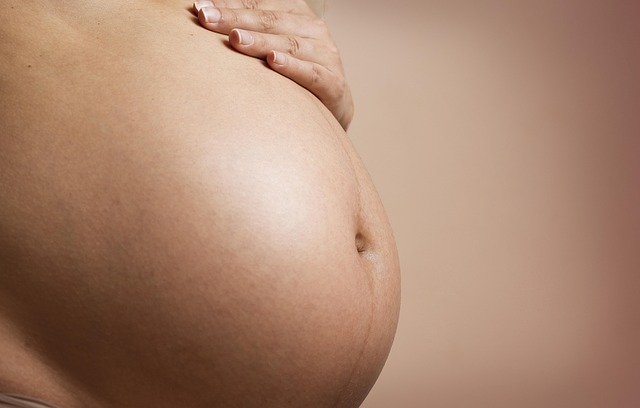
What to Expect When You're Preparing for Pregnancy After 35
4. Take Prenatal Vitamins: Prenatal vitamins are essential for a healthy pregnancy, as they provide important nutrients such as folic acid, iron, and calcium. It’s recommended to start taking prenatal vitamins at least three months before trying to conceive.
5. Stay Active: Regular exercise can help maintain a healthy weight, reduce stress, and improve overall health. However, it’s important to consult with your doctor before starting any new exercise routine during pregnancy.
6. Manage Chronic Health Conditions: If you have any chronic health conditions such as diabetes, high blood pressure, or thyroid issues, it’s important to work closely with your doctor to manage them before and during pregnancy.
7. Consider Genetic Testing: As the risk of chromosomal abnormalities increases with age, women over 35 may want to consider genetic testing to assess their risk of having a baby with a genetic disorder. Your doctor can provide more information about genetic testing options.
The Emotional Aspect
Preparing for pregnancy after 35 can also bring up a range of emotions. Some women may feel anxious or overwhelmed, while others may feel excited and hopeful. It’s important to acknowledge and address these emotions, and seek support when needed. This can include talking to friends and family, joining a support group, or seeking professional counseling.
Pregnancy After 35: What to Expect
Once you become pregnant after the age of 35, your doctor may recommend more frequent prenatal visits and additional screenings to monitor your health and the baby’s development. You may also be advised to undergo tests such as amniocentesis or chorionic villus sampling to check for chromosomal abnormalities.
It’s important to listen to your body and make self-care a priority during pregnancy. This may include getting enough rest, eating a healthy diet, staying hydrated, and managing stress. Your doctor may also recommend additional supplements or medications to support a healthy pregnancy.
It’s also important to remember that every pregnancy is different, and age does not determine the success of a pregnancy. With proper care and attention, many women over the age of 35 have successful and healthy pregnancies.
In conclusion, pregnancy after 35 may come with its own set of challenges, but with proper preparation and care, it can also be a beautiful and rewarding experience. Consulting with your doctor, making healthy lifestyle choices, and addressing emotional concerns are all important steps to take when preparing for pregnancy after 35. Remember to stay positive, stay informed, and prioritize self-care during this exciting journey to motherhood.