Blog Post:
Infertility can be a challenging and emotional journey for many individuals and couples, and when endometriosis is a factor, it can make the process even more difficult. Endometriosis is a condition where the tissue lining the uterus grows outside of the uterus, often resulting in painful periods and potential fertility issues. In fact, it is estimated that up to 50% of women with endometriosis may experience difficulty conceiving. This can be a devastating realization for those who have always dreamed of starting a family.
However, there is hope. With the help of preconception care, individuals with endometriosis can increase their chances of conceiving and carrying a healthy pregnancy. In this blog post, we will explore the role of preconception care in navigating infertility with endometriosis.
Understanding Endometriosis and Infertility
Before delving into the importance of preconception care, it is essential to understand the relationship between endometriosis and infertility. Endometriosis can cause fertility issues in several ways. The endometrial tissue can create scar tissue and adhesions, which can block the fallopian tubes, preventing the sperm from reaching the egg. It can also affect the quality of the eggs and the lining of the uterus, making it difficult for a fertilized egg to implant and grow.
Additionally, endometriosis can cause hormonal imbalances, which can disrupt the ovulation process. This can result in irregular or absent periods, making it challenging to track ovulation and time intercourse effectively. The condition can also cause inflammation in the body, which can affect the overall health of the reproductive system.
The Role of Preconception Care
Preconception care is essential for all individuals planning to start a family, but it is especially crucial for those with endometriosis. Preconception care refers to the steps taken to optimize one’s health before attempting to conceive. It involves addressing any underlying health issues, improving overall health and nutrition, and preparing the body for pregnancy.
For individuals with endometriosis, preconception care can help improve fertility and increase the chances of a successful pregnancy. By addressing the root causes of infertility, preconception care can improve the overall health of the reproductive system and increase the chances of conception.
Steps for Navigating Infertility with Endometriosis
1. Seek Support and Guidance
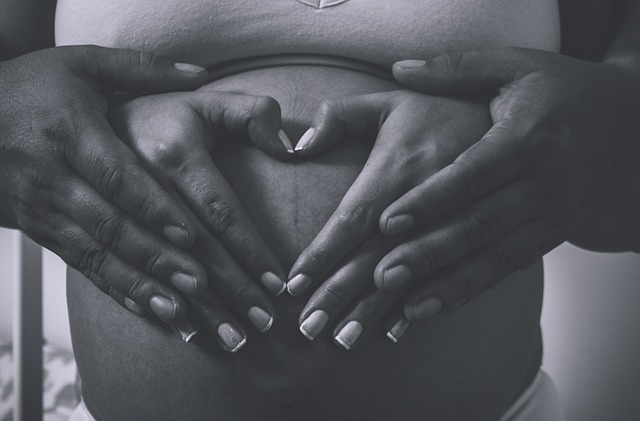
Navigating Infertility with Endometriosis: The Role of Preconception Care
Navigating infertility can be emotionally and mentally draining. It is essential to seek support from loved ones, friends, and professionals during this challenging time. Talking about your feelings and experiences can help alleviate some of the stress and anxiety associated with fertility struggles. Additionally, seeking guidance from a fertility specialist can provide valuable insight into your specific situation and help you make informed decisions.
2. Address Underlying Health Issues
Endometriosis often coexists with other health issues that can affect fertility, such as polycystic ovary syndrome (PCOS) or thyroid disorders. Before trying to conceive, it is crucial to address these underlying health problems. Consulting with a healthcare provider can help identify any potential issues and develop a treatment plan to improve your overall health and fertility.
3. Focus on Nutrition and Lifestyle Changes
Eating a well-balanced diet and maintaining a healthy lifestyle are crucial for both fertility and overall health. For individuals with endometriosis, certain foods can help reduce inflammation and improve reproductive health. These include anti-inflammatory foods such as fruits, vegetables, healthy fats, and lean protein. It is also essential to limit or avoid certain foods that can exacerbate inflammation, such as processed foods, sugar, and caffeine.
In addition to nutrition, regular exercise and managing stress can also play a significant role in improving fertility. Exercise can help regulate hormone levels and reduce stress, while stress management techniques like meditation, yoga, or therapy can help reduce the negative impact of stress on fertility.
4. Consider Fertility Treatments
For some individuals with endometriosis, fertility treatments may be necessary to conceive. In vitro fertilization (IVF) is often recommended, as it can bypass any blockages in the fallopian tubes and improve the chances of successful conception. Other treatments, such as intrauterine insemination (IUI) or fertility medications, may also be used in conjunction with IVF.
5. Be Patient and Kind to Yourself
Navigating infertility can be a long and challenging journey, and it is essential to be patient and kind to yourself throughout the process. It is essential to acknowledge and address any feelings of grief, anger, or frustration that may arise. Seek support and allow yourself to take breaks when needed. Remember that you are not alone, and with the right support and care, you can overcome the challenges of infertility and endometriosis.
In conclusion, endometriosis can be a significant factor in infertility, but it does not mean that starting a family is impossible. With preconception care, support, and guidance, individuals with endometriosis can increase their chances of conceiving and carrying a healthy pregnancy. By addressing underlying health issues, focusing on nutrition and lifestyle changes, and considering fertility treatments, individuals can navigate infertility with endometriosis and fulfill their dreams of becoming parents.
Metadata: