Blog Post:
Endometriosis is a common condition that affects millions of women worldwide. It occurs when the tissue that lines the uterus grows outside of it, causing pain, inflammation, and sometimes infertility. For women with endometriosis who are considering starting a family, there are many important factors to consider. In this blog post, we will explore the relationship between endometriosis and pregnancy, and the role of preconception care in family planning.
Understanding Endometriosis and Pregnancy:
Endometriosis can have a significant impact on a woman’s fertility and pregnancy. According to the American College of Obstetricians and Gynecologists (ACOG), about 30-50% of women with endometriosis have difficulty getting pregnant. The condition can cause scar tissue and adhesions, which can block the fallopian tubes, making it difficult for sperm to reach the egg. Endometriosis can also affect the quality of the eggs and interfere with the implantation of a fertilized egg in the uterus.
However, it is essential to note that having endometriosis does not mean that a woman cannot get pregnant. With proper management and treatment, many women with the condition can have successful pregnancies.
Preconception Care for Women with Endometriosis:
Preconception care is essential for all women planning to start a family, but it is especially crucial for women with endometriosis. It involves taking steps to improve your health and prepare your body for pregnancy. Here are some key elements of preconception care for women with endometriosis:
1. Consult with Your Healthcare Provider:
Before trying to conceive, it is crucial to consult with your healthcare provider. They can evaluate your condition and provide guidance on how to manage your endometriosis during pregnancy. They can also discuss any medications you are currently taking and recommend alternatives if needed.
2. Manage Symptoms of Endometriosis:
Symptoms of endometriosis, such as pain and inflammation, can make it challenging to conceive and have a healthy pregnancy. Your healthcare provider may recommend treatments to manage your symptoms, such as nonsteroidal anti-inflammatory drugs (NSAIDs) or hormonal birth control. However, some of these treatments may need to be discontinued before trying to conceive, so it is essential to discuss this with your doctor.
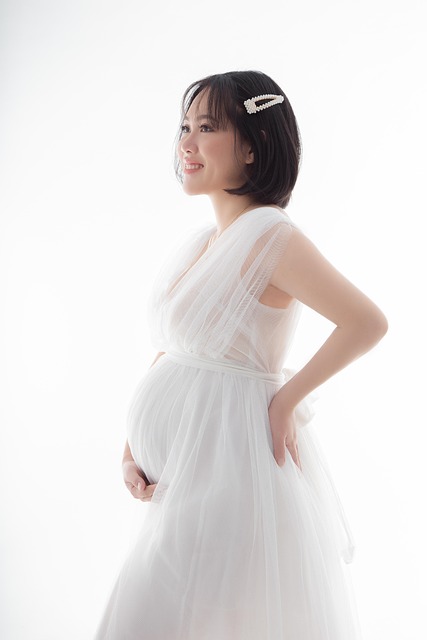
Endometriosis and Pregnancy: The Role of Preconception Care in Family Planning
3. Optimize Your Diet and Lifestyle:
A healthy diet and lifestyle are crucial for a successful pregnancy. For women with endometriosis, it is essential to incorporate anti-inflammatory foods into their diet, such as fruits, vegetables, whole grains, and omega-3 fatty acids. It is also essential to maintain a healthy weight, as obesity can worsen endometriosis symptoms and affect fertility.
4. Consider Alternative Therapies:
Some women with endometriosis find relief from their symptoms through alternative therapies, such as acupuncture, yoga, and meditation. These therapies can also help reduce stress and promote relaxation, which can be beneficial for women trying to conceive.
5. Address Underlying Health Conditions:
Endometriosis is often linked to other health conditions, such as polycystic ovary syndrome (PCOS) or thyroid disorders, which can affect fertility. It is crucial to address these conditions before trying to conceive, as they can impact the success of pregnancy.
6. Be Aware of the Risks:
Women with endometriosis may be at a higher risk for certain pregnancy complications. These may include an increased risk of miscarriage, preterm birth, and placenta previa. It is essential to discuss these risks with your healthcare provider and have a plan in place to manage them.
Conclusion:
Endometriosis can be a challenging condition for women who are trying to conceive and start a family. However, with proper management and preconception care, many women with endometriosis can have successful pregnancies. It is crucial to consult with your healthcare provider, manage symptoms, optimize your diet and lifestyle, and address any underlying health conditions before trying to conceive. By taking these steps, you can increase your chances of having a healthy pregnancy and baby.
Summary:
Endometriosis is a common condition that can affect a woman’s fertility and pregnancy. With proper management and preconception care, many women with endometriosis can have successful pregnancies. It is essential to consult with a healthcare provider, manage symptoms, optimize diet and lifestyle, address underlying health conditions, and be aware of the risks associated with endometriosis and pregnancy. By taking these steps, women can increase their chances of having a healthy pregnancy and baby.