Blog Post: Optimizing Your Chances: Tips for Preparing for Conception After Birth Control
Choosing to start a family is a big decision and it often involves careful planning. For many couples, this planning includes considering the use of birth control and the impact it may have on their future fertility. While birth control is an effective method for preventing pregnancy, it can also affect a woman’s body and her ability to conceive once she decides to stop using it. If you are thinking about starting a family after being on birth control, here are some tips to optimize your chances of conception.
1. Understand your body and menstrual cycle
One of the first steps in preparing for conception after birth control is to understand your body and menstrual cycle. Birth control can affect the regularity of your periods and it may take some time for your body to readjust once you stop using it. By tracking your periods and monitoring any changes in your cycle, you can get a better understanding of when you are ovulating and when you are most fertile. This knowledge can help you time intercourse during your most fertile days, increasing your chances of conception.
2. Give your body time to adjust
It is important to give your body time to adjust after stopping birth control. Depending on the type of birth control you were using, it may take a few weeks or even months for your hormones to regulate and your menstrual cycle to become regular again. It is recommended to wait at least one full menstrual cycle before actively trying to conceive. This will give your body time to adjust and increase your chances of a successful pregnancy.
3. Consider your nutritional needs
Nutrition plays a crucial role in our overall health and fertility. After being on birth control, it is important to make sure you are getting all the necessary vitamins and minerals that support fertility. This includes folic acid, which is essential for fetal development, as well as iron, calcium, and vitamin D. Consider incorporating more whole foods such as fruits, vegetables, lean proteins, and healthy fats into your diet to ensure you are getting the necessary nutrients for conception.
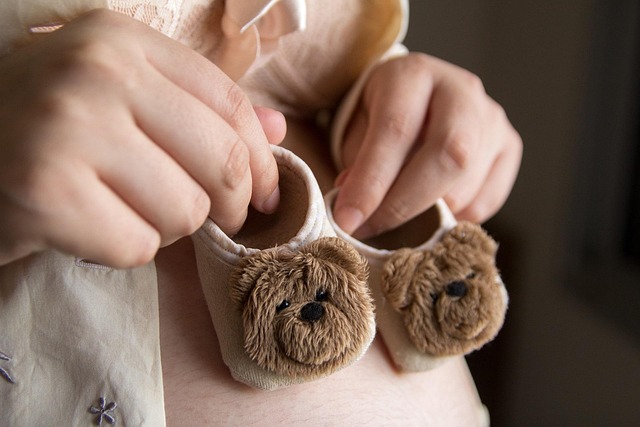
Optimizing Your Chances: Tips for Preparing for Conception After Birth Control
4. Maintain a healthy weight
Being either underweight or overweight can affect your fertility and make it more difficult to conceive. Birth control can sometimes cause weight fluctuations, so it is important to maintain a healthy weight before trying to conceive. This can also help regulate your menstrual cycle and increase your chances of ovulation. If you are struggling with weight management, consult with your doctor for guidance on a healthy and sustainable plan.
5. Reduce stress
Stress can have a significant impact on our overall health, including our fertility. The process of trying to conceive can be stressful in itself, so it is important to find healthy ways to manage stress. This can include exercise, meditation, spending time outdoors, or talking to a therapist. By reducing stress, you can create a more conducive environment for conception.
6. Quit smoking and limit alcohol consumption
Smoking and excessive alcohol consumption can have negative effects on fertility for both men and women. Research has shown that smoking can decrease sperm count and quality, while alcohol can affect hormone levels and interfere with ovulation. If you are a smoker, consider quitting before trying to conceive. And if you choose to drink, do so in moderation.
7. Consider alternative birth control methods
If you have been on hormonal birth control for an extended period of time, it may take longer for your body to regulate and for you to conceive. In some cases, it may be helpful to consider alternative birth control methods, such as barrier methods or natural family planning, to give your body a break from hormonal contraceptives. Consult with your doctor to find the best option for you.
8. Be patient and don’t stress about timing
Trying to conceive can be a stressful and emotional journey, so it is important to be patient and not stress about timing. It is completely normal for it to take a few months or even up to a year to conceive. Try to keep a positive mindset and focus on creating a healthy and supportive environment for conception.
In summary, preparing for conception after birth control involves understanding your body and menstrual cycle, giving your body time to adjust, maintaining a healthy lifestyle, reducing stress, and being patient. By following these tips, you can optimize your chances of a successful pregnancy and starting a family.