Blog Post:
Self-care has become a buzzword in recent years, with more and more people recognizing the importance of taking care of themselves both physically and mentally. While self-care can have numerous benefits, one area that is often overlooked is its impact on fertility. In this blog post, we will explore the power of self-care and how it can improve your fertility.
What is Self-Care?
Self-care is the practice of intentionally taking care of one’s own physical, mental, and emotional well-being. It involves activities and habits that promote a healthy lifestyle and a positive mindset. Self-care can take many forms, such as exercise, healthy eating, mindfulness practices, and setting boundaries. It is not a one-size-fits-all approach and looks different for each individual.
The Connection Between Self-Care and Fertility
Fertility is the ability to conceive and carry a child to full term. It is a complex process that involves both physical and emotional factors. Research has shown that stress and lifestyle factors can have a significant impact on fertility. This is where self-care comes into play.
Stress and Fertility
Stress is a natural response to challenging situations. However, chronic stress can have a negative impact on fertility. When the body is under stress, it releases the hormone cortisol, which can disrupt the delicate balance of reproductive hormones. This can affect ovulation, sperm production, and the implantation of a fertilized egg. Additionally, stress can lead to unhealthy coping mechanisms such as smoking, excessive alcohol consumption, and poor eating habits, all of which can further impact fertility.
Self-care practices such as mindfulness, meditation, and relaxation techniques can help reduce stress levels and promote overall well-being. These practices can lower cortisol levels, thus improving the chances of conceiving.
Healthy Lifestyle Habits and Fertility
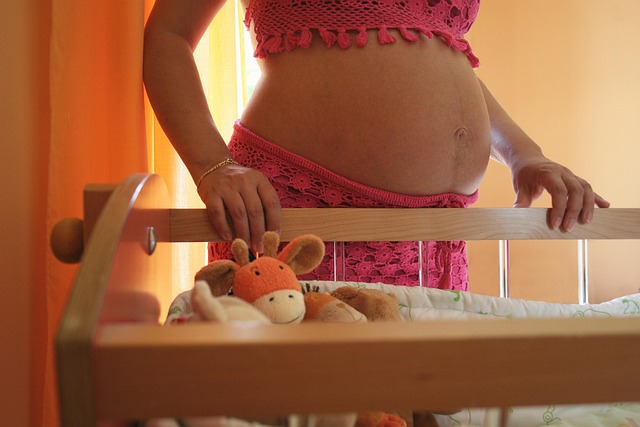
The Power of Self-Care: How It Can Improve Your Fertility
Maintaining a healthy lifestyle is crucial for overall health and well-being, but it also plays a significant role in fertility. Being overweight or underweight can affect the body’s hormone levels and interfere with ovulation. Additionally, unhealthy habits such as smoking, excessive alcohol consumption, and a poor diet can also impact fertility.
In contrast, incorporating healthy habits such as regular exercise, a balanced diet, and limiting alcohol consumption can improve fertility. Exercise can help regulate hormones, improve blood flow to the reproductive organs, and reduce stress levels. A balanced diet rich in whole foods, healthy fats, and antioxidants can also support hormone balance and improve fertility.
Self-Care and Mental Health
The journey to parenthood can be emotionally taxing, and it is essential to take care of one’s mental health during this time. Struggling with fertility issues can lead to feelings of stress, anxiety, depression, and grief. These emotions can be overwhelming and can have a detrimental effect on fertility.
Practicing self-care can help individuals cope with these emotions and improve their mental health. Activities such as journaling, therapy, and support groups can provide a safe outlet for processing emotions and finding support. Setting boundaries and saying no to stressful situations can also help protect one’s mental well-being.
The Importance of Support
Fertility struggles can be isolating, and many individuals may feel like they are going through it alone. This is where the power of support comes into play. Building a supportive network of family, friends, and healthcare providers can make a significant difference in one’s fertility journey. Support can come in many forms, from a shoulder to cry on to practical support such as helping with appointments or providing healthy meals.
In addition to external support, self-care practices can also provide a sense of self-compassion and self-love. Taking the time to prioritize one’s own needs and well-being can be empowering and promote a positive mindset, which is crucial for improving fertility.
Summary:
Self-care is the intentional practice of taking care of one’s physical, mental, and emotional well-being. It has a powerful impact on fertility, as it can reduce stress levels, promote healthy lifestyle habits, and improve mental health. Building a supportive network and prioritizing self-care can make a significant difference in one’s fertility journey.