Nurturing Fertility: The Role of Self-Care in Preconception Planning
Fertility is a deeply personal and emotional topic for many people. Whether you are actively trying to conceive or just starting to think about starting a family, the journey to parenthood can be filled with many challenges and uncertainties. While there are numerous medical interventions and treatments available to help with fertility, it’s important not to overlook the role of self-care in preconception planning. In this blog post, we will explore the importance of self-care in nurturing fertility and how it can benefit both physical and emotional well-being during the preconception phase.
Understanding Preconception Planning
Preconception planning refers to the time before a person becomes pregnant. It’s a crucial period for both partners to optimize their health and well-being in order to increase their chances of conceiving and having a healthy pregnancy. This phase typically involves taking prenatal vitamins, getting necessary vaccinations, and making lifestyle changes, such as quitting smoking or reducing alcohol consumption. However, many people overlook the importance of self-care in this phase, which can have a significant impact on fertility and overall well-being.
The Mind-Body Connection
The mind and body are intricately connected, and this connection plays a crucial role in fertility. When we are stressed, anxious, or overwhelmed, our bodies experience physiological changes that can affect reproductive hormones and interfere with ovulation. In fact, research has shown that stress can negatively impact fertility by causing irregular menstrual cycles, decreasing sperm count, and increasing the risk of miscarriage. This is why it’s important to prioritize self-care and manage stress during preconception planning.
Self-Care and Nutrition
A healthy, well-balanced diet is essential for overall health and fertility. Eating a variety of nutrient-rich foods can help regulate hormones and improve fertility. Additionally, certain foods have been shown to have specific benefits for fertility. For example, foods high in antioxidants, such as fruits and vegetables, can help protect sperm and egg cells from damage. Foods rich in omega-3 fatty acids, such as salmon, can also improve fertility by reducing inflammation in the body. Incorporating these foods into your diet can not only improve your fertility but also support your overall health.
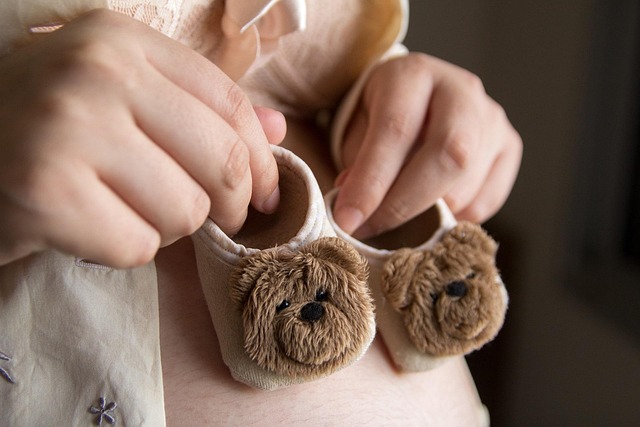
Nurturing Fertility: The Role of Self-Care in Preconception Planning
In addition to proper nutrition, taking care of your body through regular exercise can also have a positive impact on fertility. Exercise can help reduce stress, regulate hormones, and improve blood flow to the reproductive organs. However, it’s important to find a balance and not overexert yourself, as excessive exercise can also have a negative impact on fertility.
The Importance of Mental and Emotional Well-Being
Self-care goes beyond physical health and also includes taking care of one’s mental and emotional well-being. The journey to parenthood can be emotionally taxing, and it’s crucial to prioritize mental health during this time. Seeking support from a therapist or joining a support group can be beneficial in managing stress, anxiety, and other emotions that may arise during preconception planning.
It’s also important to engage in activities that bring joy and relaxation, such as mindfulness practices, yoga, or hobbies. These activities can help reduce stress and promote a positive mindset, which can have a significant impact on fertility and overall well-being.
The Role of Partner Support
Preconception planning involves both partners, and it’s essential for them to support each other in their self-care journey. This can involve making healthy lifestyle changes together, such as cooking nutritious meals or exercising together. It can also mean being there for each other emotionally and providing a listening ear during challenging times. Partner support can help reduce stress and create a supportive and nurturing environment, which is crucial for fertility.
Taking a Holistic Approach
In addition to medical interventions and treatments, taking a holistic approach to preconception planning can greatly benefit fertility. This means addressing all aspects of health, including physical, mental, emotional, and spiritual well-being. By prioritizing self-care and making positive lifestyle changes, individuals and couples can not only increase their chances of conceiving but also improve their overall well-being.
In conclusion, self-care plays a vital role in nurturing fertility during preconception planning. It involves taking care of one’s physical, mental, and emotional well-being and creating a positive and supportive environment with the help of a partner. By prioritizing self-care and taking a holistic approach, individuals and couples can optimize their health and increase their chances of conceiving and having a healthy pregnancy.