Blog Post:
In recent years, there has been a growing interest in the link between nutrition, exercise, and fertility. With approximately 12% of couples facing fertility issues, it’s no surprise that people are looking for ways to improve their chances of conceiving. While there are many factors that can affect fertility, such as age and genetics, research has shown that nutrition and exercise can play a significant role in reproductive health. In this blog post, we will explore the impact of nutrition on fertility and how exercise can help.
The Connection Between Nutrition and Fertility
The food we eat provides the essential nutrients our bodies need to function properly. And when it comes to fertility, having a well-balanced and nutritious diet is crucial. Studies have shown that certain nutrients can have a direct impact on reproductive health, including folic acid, zinc, and omega-3 fatty acids.
Folic acid, also known as folate, is a B-vitamin that is essential for the development of a healthy baby. It has been linked to a reduced risk of neural tube defects, which are severe birth defects of the brain and spinal cord. This nutrient is particularly crucial for women who are trying to conceive, as it is required for proper fetal development in the early stages of pregnancy. Good sources of folic acid include leafy greens, lentils, and fortified cereals.
Zinc is another vital nutrient that has been linked to fertility. This mineral plays a crucial role in hormone regulation and the production of healthy eggs in women. In men, zinc is essential for sperm production and motility. Studies have shown that a deficiency in zinc can lead to fertility issues in both men and women. Good sources of zinc include oysters, beef, and pumpkin seeds.
Omega-3 fatty acids are essential for overall health and have been linked to improved fertility. These healthy fats are found in fish, nuts, and seeds, and have been shown to improve egg quality in women and sperm quality in men. They also have anti-inflammatory properties, which can help reduce inflammation in the reproductive organs, promoting a healthier environment for conception.
The Impact of Exercise on Fertility
Exercise is also an essential component of overall health and can have a positive impact on fertility. Regular physical activity has been linked to improved reproductive function in both men and women. Here are some of the ways exercise can benefit fertility:
1. Regulates Hormones: Hormonal imbalances can affect fertility in both men and women. Exercise can help regulate hormone levels, including those involved in the reproductive system, such as estrogen and testosterone.
2. Reduces Stress: Stress can have a significant impact on fertility, as it can disrupt hormone levels and ovulation in women and sperm production in men. Exercise has been shown to reduce stress and promote relaxation, which can help improve fertility.
3. Improves Blood Flow to Reproductive Organs: Regular exercise increases blood flow to all parts of the body, including the reproductive organs. This improved blood flow can help with the production of healthy eggs and sperm.
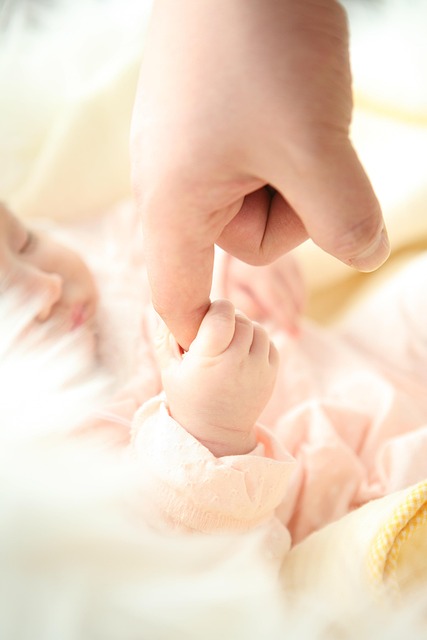
The Impact of Nutrition on Fertility and How Exercise Can Help
4. Maintains a Healthy Weight: Being overweight or obese can have a negative impact on fertility. Exercise can help maintain a healthy weight, which is essential for reproductive health.
5. Boosts Energy and Improves Mood: Trying to conceive can be a stressful and emotional journey. Regular exercise can help boost energy levels and improve mood, making it easier to cope with the challenges of fertility treatment.
Best Exercises for Fertility
While any type of physical activity is beneficial for overall health, certain exercises may be more effective in promoting fertility. Here are some of the best exercises for fertility:
1. Yoga: This mind-body exercise combines physical postures, breathing, and meditation to promote relaxation and reduce stress. It has been shown to improve fertility by reducing stress and increasing blood flow to the reproductive organs.
2. Cardiovascular Exercises: Activities that get your heart rate up, such as running, cycling, or swimming, are excellent for improving blood flow and maintaining a healthy weight.
3. Strength Training: Building muscle mass through strength training can help regulate hormone levels and improve overall health.
4. Pilates: This low-impact exercise focuses on core strength and flexibility, which can be beneficial for women trying to conceive.
5. Mindful Movement: Activities such as tai chi and qigong combine gentle movements with deep breathing and meditation, promoting relaxation and reducing stress.
In conclusion, nutrition and exercise play a crucial role in fertility. A well-balanced and nutritious diet, along with regular physical activity, can help improve reproductive function, regulate hormones, and reduce stress. If you are struggling with fertility issues, it may be worth considering making some lifestyle changes to improve your overall health and increase your chances of conceiving.
Summary:
The impact of nutrition and exercise on fertility is significant. A well-balanced and nutritious diet, including folic acid, zinc, and omega-3 fatty acids, can have a positive effect on reproductive health. Exercise can also play a crucial role in fertility by regulating hormones, reducing stress, improving blood flow to reproductive organs, maintaining a healthy weight, and boosting energy and mood. Yoga, cardiovascular exercises, strength training, pilates, and mindful movement are some of the best exercises for fertility.