Summary:
Infertility is a common issue faced by many couples, and it can be caused by various factors such as age, hormonal imbalances, and underlying health conditions. While medical interventions and treatments are available, nutrition plays a crucial role in boosting fertility. A well-balanced and nutrient-rich diet can improve overall health and increase the chances of conception. In this blog post, we will discuss 23 tips for boosting fertility with proper nutrition.
1. Eat a diet rich in antioxidants: Antioxidants help to protect the body from oxidative stress and damage, which can affect the quality of sperm and eggs. Incorporate foods like berries, dark leafy greens, and nuts into your diet to increase your antioxidant intake.
2. Consume healthy fats: Healthy fats, like omega-3 fatty acids, are essential for hormone production and regulating ovulation. Include foods like salmon, avocado, and olive oil in your diet to boost fertility.
3. Avoid trans fats: Trans fats can interfere with the body’s ability to produce and regulate hormones. Avoid processed and fried foods that are high in trans fats.
4. Increase intake of plant-based proteins: Plant-based proteins, such as lentils, beans, and tofu, are a great source of protein without the added hormones and antibiotics found in animal proteins.
5. Reduce consumption of red meat: High consumption of red meat has been linked to hormonal imbalances and decreased fertility. Limit your intake and opt for leaner protein sources like chicken and fish.
6. Choose whole grains: Whole grains are rich in B vitamins, which are essential for hormone production. Opt for whole grain options like brown rice, quinoa, and whole wheat bread.
7. Incorporate fertility-boosting herbs: Certain herbs like maca, ashwagandha, and red raspberry leaf have been shown to improve fertility and regulate hormones. Consult with a healthcare professional before incorporating these herbs into your diet.
8. Increase intake of iron-rich foods: Iron is essential for the production of healthy red blood cells, which are important for healthy ovulation. Include foods like spinach, lean meats, and beans in your diet to boost iron levels.
9. Consume enough folate: Folate is crucial for the development of a healthy baby and can also increase fertility. Include foods like leafy greens, legumes, and fortified cereals in your diet, or take a folic acid supplement.
10. Avoid excess caffeine: High caffeine intake has been linked to decreased fertility, so it’s best to limit your intake to one cup of coffee per day.
11. Increase intake of vitamin D: Vitamin D deficiency has been linked to infertility, so make sure to get enough of this essential vitamin through foods like fatty fish, egg yolks, and fortified dairy products.
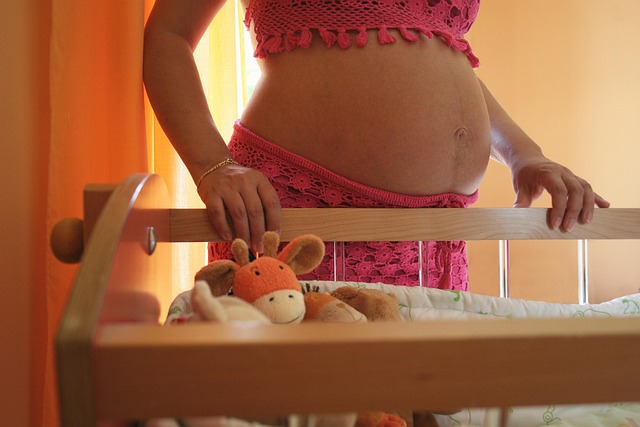
Boosting Fertility with Proper Nutrition: 23 Tips to Try
12. Stay hydrated: Drinking enough water is important for overall health, but it also helps to maintain healthy cervical mucus, which is crucial for sperm survival and fertilization.
13. Avoid alcohol: Excessive alcohol consumption can interfere with hormone production and decrease fertility. It’s best to avoid alcohol altogether when trying to conceive.
14. Incorporate probiotics: Probiotics help to maintain a healthy balance of good bacteria in the gut, which is important for overall health and may also aid in fertility.
15. Opt for organic produce: Pesticides and other chemicals found in non-organic produce can interfere with hormone production. Choose organic options whenever possible.
16. Eat a variety of colorful fruits and vegetables: Fruits and vegetables are rich in vitamins, minerals, and antioxidants that are essential for overall health and fertility. Aim for a variety of colors to ensure you’re getting a wide range of nutrients.
17. Avoid processed foods: Processed foods are often high in refined sugars and unhealthy fats, which can negatively impact fertility. Stick to whole, unprocessed foods as much as possible.
18. Consider a Mediterranean-style diet: The Mediterranean diet is rich in healthy fats, whole grains, and fruits and vegetables, making it a great option for boosting fertility.
19. Get enough protein: Protein is essential for hormone production and fertility. Incorporate protein-rich foods, such as lean meats, eggs, and legumes, into your meals.
20. Avoid extreme dieting: Extreme weight loss or weight gain can disrupt hormone levels and decrease fertility. Aim for a healthy and balanced diet for better reproductive health.
21. Get enough sleep: Lack of sleep can lead to hormonal imbalances and decrease fertility. Aim for 7-9 hours of quality sleep each night.
22. Manage stress: Chronic stress can interfere with ovulation and decrease fertility. Find ways to manage stress, such as meditation, exercise, or therapy.
23. Consult with a healthcare professional: If you are struggling with fertility, it’s important to consult with a healthcare professional. They can provide personalized nutrition advice and recommend any necessary supplements.
In conclusion, proper nutrition is an essential component of boosting fertility. By incorporating these tips into your diet and lifestyle, you can improve your overall health and increase your chances of conception.