Conception Nutrition 101: Essential Nutrients for a Healthy Pregnancy
Pregnancy is a special time in a woman’s life, filled with excitement and anticipation. As an expectant mother, it is important to prioritize your health and nutrition, not just for your own well-being but also for the healthy development of your baby. Proper nutrition is key to a successful conception and a healthy pregnancy. In this blog post, we will discuss the essential nutrients that are crucial for a healthy pregnancy and provide tips on how to incorporate them into your diet.
Folic Acid
Folic acid, also known as folate, is a B vitamin that plays a vital role in the development of the baby’s neural tube, which later becomes the brain and spinal cord. It is recommended that women who are trying to conceive or are in their first trimester of pregnancy take a daily supplement of 400-800 micrograms of folic acid. Foods rich in folic acid include leafy green vegetables, beans, fortified cereals, and citrus fruits.
Iron
During pregnancy, your body produces more blood to support the growth and development of the baby. As a result, your iron needs increase to prevent anemia. Iron is essential for carrying oxygen to your baby and for your own energy levels. Good sources of iron include red meat, poultry, fish, beans, and leafy green vegetables. It is recommended to pair iron-rich foods with foods high in vitamin C, such as citrus fruits, to enhance iron absorption.
Calcium
Calcium is crucial for the development of the baby’s bones, teeth, and muscles. Pregnant women need 1,000 milligrams of calcium per day, which can be obtained through dairy products, leafy green vegetables, and fortified foods. If you are unable to consume enough calcium through your diet, consult with your healthcare provider about taking a calcium supplement.
Protein
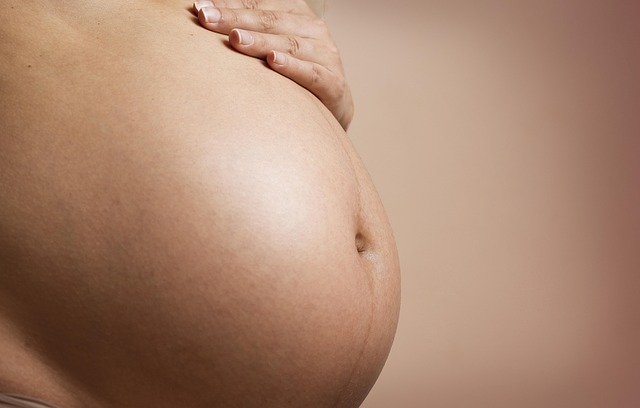
Conception Nutrition 101: Essential Nutrients for a Healthy Pregnancy
Protein is the building block of cells and is essential for the growth and development of your baby. During pregnancy, your protein needs increase to support the growth of your baby’s tissues. Good sources of protein include lean meats, poultry, fish, eggs, beans, nuts, and dairy products.
Healthy Fats
Healthy fats, such as omega-3 fatty acids, are crucial for the development of the baby’s brain and eyes. They also help with the development of the placenta and support the growth of the baby. Good sources of healthy fats include fatty fish like salmon and sardines, avocado, nuts, and seeds.
Vitamin D
Vitamin D is essential for the absorption of calcium, which is important for the development of the baby’s bones and teeth. It is also crucial for the mother’s bone health during pregnancy. Exposure to sunlight is the best way to obtain vitamin D, but it can also be found in foods like fatty fish, egg yolks, and fortified dairy products. If you are unable to get enough vitamin D through natural sources, consult with your healthcare provider about taking a supplement.
Water
Staying hydrated is crucial during pregnancy, as your body is working hard to support the growth and development of your baby. It is recommended to drink 8-10 glasses of water per day, and even more in hot weather or if you are physically active. You can also obtain water through fruits, vegetables, and soups.
In addition to these essential nutrients, it is important to maintain a well-balanced diet that includes a variety of fruits, vegetables, whole grains, and lean proteins. It is also recommended to limit your intake of processed and high-fat foods, as well as to avoid alcohol, caffeine, and raw or undercooked meats and seafood.
In conclusion, proper nutrition is crucial for a healthy pregnancy and the development of your baby. A well-balanced diet that includes essential nutrients such as folic acid, iron, calcium, protein, healthy fats, vitamin D, and water is key to a successful conception and a healthy pregnancy. Consult with your healthcare provider for personalized nutrition recommendations and remember to prioritize your health and the health of your baby.