As women age, their fertility naturally declines. When a woman reaches the age of 35, her chances of getting pregnant decrease significantly. However, this does not mean that women over 35 cannot have children. With proper self-care and understanding of their bodies, women can increase their chances of conceiving and have a healthy pregnancy. In this blog post, we will discuss fertility and self-care for women over 35.
Fertility is the ability to conceive a child and carry it to term. As women age, the quantity and quality of their eggs decrease, making it more difficult to get pregnant. This is due to a decline in the hormone levels that control the reproductive cycle. Women over 35 may also have other factors that can impact their fertility, such as underlying health conditions, stress, and lifestyle choices.
The first step in taking care of your fertility is to understand your body and its reproductive cycle. Women over 35 should track their menstrual cycle and ovulation to determine the best time to try to conceive. This can be done through tracking basal body temperature, cervical mucus, or using ovulation predictor kits. Knowing when you are most fertile can increase your chances of getting pregnant.
Another important aspect of self-care for fertility is maintaining a healthy lifestyle. This includes eating a well-balanced diet, exercising regularly, and avoiding harmful substances such as alcohol, tobacco, and drugs. A healthy body is more likely to have a healthy reproductive system and increase the chances of conceiving.
Stress can also play a significant role in fertility. Women over 35 may have more stressors in their lives, such as career demands, caring for children, and aging parents. It is crucial to find ways to manage stress and make time for self-care. This can include activities like yoga, meditation, or spending time in nature. It is essential to prioritize self-care to improve overall well-being and increase fertility.
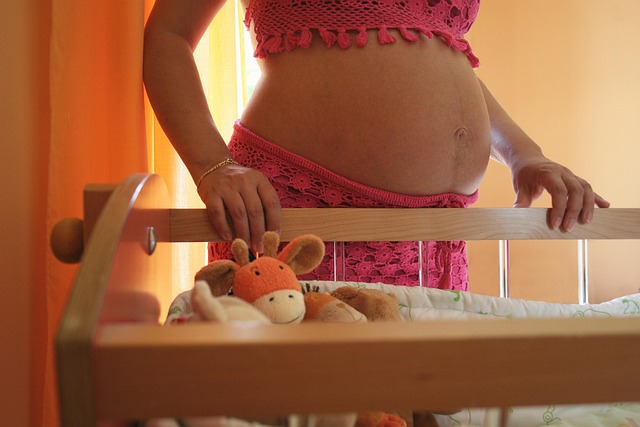
Fertility and Self-Care for Women Over 35
In addition to self-care, women over 35 may also consider seeking medical advice to improve their chances of conceiving. A fertility specialist can perform tests to determine any underlying issues and provide treatment options. These may include fertility medications, intrauterine insemination (IUI), or in vitro fertilization (IVF). It is important to remember that every woman’s journey to pregnancy is unique, and seeking help from a specialist can provide valuable insight and support.
While it is essential to take care of your physical health, it is equally important to take care of your mental and emotional well-being. The journey to parenthood can be emotionally taxing, especially for women over 35 who may face more challenges. It is crucial to acknowledge and address any feelings of disappointment, frustration, or guilt. Seeking support from loved ones, joining support groups, or talking to a therapist can help women cope with these emotions and stay positive throughout their fertility journey.
Self-care for fertility also includes taking care of your relationship with your partner. Trying to conceive can put a strain on even the strongest relationships, and it is essential to communicate openly and support each other. It is also important to discuss expectations and any potential challenges that may arise during the process.
Finally, women over 35 should be aware of the potential risks that come with pregnancy at an older age. These risks include gestational diabetes, high blood pressure, and chromosomal abnormalities in the baby. It is crucial to consult with a healthcare provider and monitor your health closely during pregnancy to ensure a healthy outcome for both mother and baby.
In summary, fertility and self-care for women over 35 go hand in hand. By understanding their bodies, maintaining a healthy lifestyle, managing stress, seeking medical advice, taking care of their mental and emotional well-being, and nurturing their relationships, women can increase their chances of conceiving and have a healthy pregnancy. Every woman’s journey to parenthood is unique, and it is essential to prioritize self-care throughout the process.