Self-care is crucial for overall well-being, and this is especially true when it comes to fertility. A strong and healthy fertility cycle is essential for anyone trying to conceive, whether naturally or through assisted reproductive technologies. However, fertility can be a complex and emotional journey, and it’s easy to neglect self-care in the midst of it all. In this blog post, we will discuss some important self-care tips for a strong and healthy fertility cycle.
1. Prioritize Mental Health
The mind and body are deeply interconnected, and this is especially true when it comes to fertility. Stress, anxiety, and other mental health issues can have a significant impact on fertility. Therefore, it is essential to prioritize your mental health during this time. This can include practicing relaxation techniques, such as mindfulness or deep breathing, seeking therapy or counseling, and finding healthy ways to cope with stress. Taking care of your mental health can not only improve your chances of conceiving but also make the journey more manageable.
2. Eat a Healthy and Balanced Diet
Eating a healthy and balanced diet is crucial for overall health, but it is especially important for fertility. A diet rich in fruits, vegetables, whole grains, and lean proteins can help regulate hormones and improve fertility. It is also essential to maintain a healthy weight, as both being underweight and overweight can negatively affect fertility. Consult with a nutritionist or a doctor to create a personalized diet plan that suits your needs and supports your fertility goals.
3. Stay Active
Regular exercise not only helps maintain a healthy weight but also has a positive impact on fertility. Moderate physical activity, such as walking, swimming, or yoga, can improve blood flow to the reproductive organs and regulate hormones. However, it is important not to over-exercise, as excessive physical activity can have the opposite effect on fertility. Consult with your doctor to find a workout routine that is safe and beneficial for your fertility cycle.
4. Get Enough Sleep
Getting enough quality sleep is essential for overall health, and it is especially crucial for fertility. Lack of sleep can disrupt hormone levels and affect ovulation. Aim for 7-8 hours of sleep per night and establish a regular sleep schedule. Avoid screens and stimulating activities before bedtime, and create a relaxing bedtime routine to help you wind down and get a good night’s rest.
5. Stay Hydrated
Drinking enough water is crucial for fertility, as it helps the body produce fertile-quality cervical mucus, which is essential for conception. It can also help regulate hormones and improve egg quality. Aim for 8-10 glasses of water per day, and limit your intake of sugary and caffeinated drinks, which can be dehydrating.
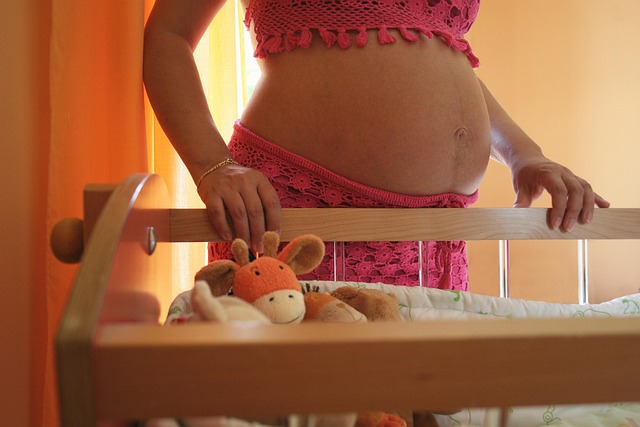
Self-Care Tips for a Strong and Healthy Fertility Cycle
6. Reduce Exposure to Toxins
Toxins in our environment can have a significant impact on fertility. Avoid exposure to harmful chemicals and toxins, such as tobacco smoke, pesticides, and certain household cleaning products. Opt for natural and organic options whenever possible, and be mindful of the products you use on your body, such as cosmetics and personal care items.
7. Practice Self-Care Activities
Taking time for yourself and engaging in self-care activities is essential for managing stress and improving overall well-being. Find activities that bring you joy and help you relax, such as reading, listening to music, or taking a bath. It is also crucial to find ways to cope with the emotional rollercoaster of trying to conceive, such as journaling, talking to a trusted friend or therapist, or joining a support group.
8. Educate Yourself
Knowledge is power, and this is especially true when it comes to fertility. Educating yourself about your body, the fertility process, and the options available can help you feel more in control and make informed decisions. Attend fertility classes, read books, and consult with experts to learn more about your fertility and how to support it.
9. Communicate with Your Partner
Fertility can be a stressful and emotional journey, and it is important to communicate with your partner throughout the process. Share your feelings, fears, and hopes with each other, and make sure to listen and support one another. Remember that you are in this together, and open communication can strengthen your relationship and help you navigate the ups and downs of fertility.
10. Seek Professional Help
If you are struggling with fertility issues, do not hesitate to seek professional help. Fertility specialists can provide personalized guidance and support to help you achieve your fertility goals. They can also offer treatments such as in vitro fertilization (IVF) and intrauterine insemination (IUI) to help you conceive. Remember that there is no shame in seeking help, and it can make all the difference in your fertility journey.
In summary, self-care is crucial for a strong and healthy fertility cycle. Prioritizing mental health, maintaining a healthy diet and lifestyle, reducing exposure to toxins, and seeking professional help when needed are all important steps to support fertility. Remember to take care of yourself, both physically and emotionally, and trust in the process. With patience, self-care, and support, you can improve your chances of conceiving and have a healthy pregnancy.