Blog Post: Optimizing Your Reproductive Health: 20 Tips for Preconception Wellness
Preconception wellness is an essential aspect of reproductive health, as it prepares your body for a healthy pregnancy and childbirth. Many factors can affect your reproductive health, including lifestyle habits, diet, and environmental factors. To ensure that you are in the best possible condition to conceive, it is crucial to optimize your reproductive health. In this blog post, we will discuss 20 tips for preconception wellness to help you achieve optimal reproductive health.
1. Schedule a Preconception Check-up: Before trying to conceive, it is essential to schedule a preconception check-up with your healthcare provider. This check-up will help identify any potential health issues that may affect your reproductive health.
2. Maintain a Healthy Weight: Being underweight or overweight can have a significant impact on your reproductive health. It is essential to maintain a healthy weight before trying to conceive to improve your chances of a healthy pregnancy.
3. Quit Smoking and Limit Alcohol Intake: Smoking and excessive alcohol consumption can negatively affect your reproductive health. It is crucial to quit smoking and limit alcohol intake to increase your chances of conceiving.
4. Exercise Regularly: Regular exercise can help improve your overall health and fertility. It can also help reduce stress, which can affect your reproductive health.
5. Eat a Balanced Diet: A healthy and balanced diet is essential for optimal reproductive health. Include a variety of fruits, vegetables, whole grains, and lean proteins in your diet to provide your body with the necessary nutrients.
6. Take Prenatal Vitamins: Prenatal vitamins help ensure that your body has all the essential nutrients required for a healthy pregnancy. They also contain folic acid, which can help prevent birth defects.
7. Stay Hydrated: Drinking enough water is crucial for optimal reproductive health. It helps flush out toxins from your body and keeps your reproductive organs healthy.
8. Get Enough Sleep: Getting enough sleep is essential for your overall health, including your reproductive health. Aim for 7-9 hours of quality sleep each night to promote a healthy reproductive system.
9. Manage Stress: Stress can have a significant impact on your reproductive health. Practice stress management techniques like meditation, yoga, or deep breathing to reduce stress levels.
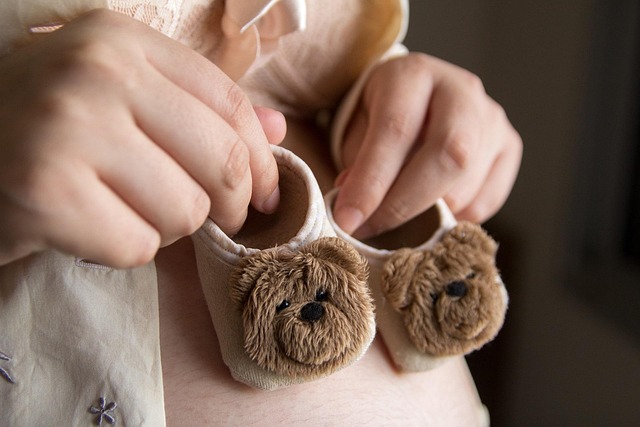
Optimizing Your Reproductive Health: 20 Tips for Preconception Wellness
10. Limit Exposure to Harmful Chemicals: Exposure to harmful chemicals, such as pesticides, can affect your reproductive health. Limit your exposure to these chemicals by choosing organic produce and using natural cleaning products.
11. Avoid Excessive Heat: Excessive heat can affect sperm production in men and interfere with ovulation in women. Avoid hot tubs, saunas, and hot baths when trying to conceive.
12. Practice Safe Sex: Sexually transmitted infections (STIs) can have a severe impact on your reproductive health. Practice safe sex to reduce the risk of STIs and protect your fertility.
13. Address Any Existing Health Issues: If you have any existing health issues, such as diabetes or high blood pressure, it is crucial to manage them before trying to conceive. These conditions can affect your fertility and pregnancy.
14. Monitor Your Menstrual Cycle: Keeping track of your menstrual cycle can help you determine your most fertile days. This can increase your chances of conceiving.
15. Limit Caffeine Intake: While there is no conclusive evidence that caffeine affects fertility, it is recommended to limit your caffeine intake to less than 200 mg per day.
16. Avoid Excessive Exercise: While regular exercise is beneficial, excessive exercise can interfere with ovulation and affect your reproductive health. It is essential to find a balance and avoid overexerting yourself.
17. Reduce Exposure to Radiation: Exposure to radiation, such as X-rays, can have a negative impact on your reproductive health. If you need to undergo any medical procedures involving radiation, talk to your doctor about your fertility concerns.
18. Get Your Partner Involved: Reproductive health is not just a woman’s responsibility. It is essential to involve your partner in preconception wellness, as their health can also affect fertility.
19. Don’t Stress About Timing: Trying to conceive can be stressful, and constantly worrying about timing can add to that stress. Remember that it may take time, and it’s important to relax and enjoy the process.
20. Seek Professional Help if Needed: If you have been trying to conceive for more than a year (or six months if you are over 35), it is recommended to seek professional help. A fertility specialist can help identify any underlying issues and provide treatment options.
In conclusion, optimizing your reproductive health is crucial for a healthy pregnancy and childbirth. By following these 20 tips for preconception wellness, you can improve your chances of conceiving and ensure a healthy start to your pregnancy journey.