Blog Post: Lifestyle Changes to Make for Conceiving at Home
Trying to conceive can be a challenging and emotional journey for many couples. With the rise of infertility and other factors, more and more couples are turning to at-home methods for conceiving. While there is no guaranteed method for conceiving at home, there are certain lifestyle changes that can increase your chances of getting pregnant. In this blog post, we will discuss some lifestyle changes that you can make to help you conceive at home.
1. Maintain a Healthy Diet
A healthy and balanced diet is essential for overall health, but it also plays a crucial role in fertility. Incorporating nutrient-dense foods such as fruits, vegetables, whole grains, and healthy fats into your diet can improve your chances of conceiving. On the other hand, high levels of processed foods, sugar, and caffeine can have a negative impact on fertility. It is also recommended to limit your alcohol intake and quit smoking, as they have been linked to reduced fertility.
2. Exercise Regularly
Regular exercise not only helps you maintain a healthy weight but also has a positive impact on fertility. It can help regulate hormones, improve blood flow to the reproductive organs, and reduce stress. However, it’s important to find a balance as excessive exercise can also have a negative effect on fertility. Low-impact exercises such as walking, yoga, and swimming are great options for women trying to conceive.
3. Reduce Stress
Stress can have a significant impact on fertility as it disrupts the hormonal balance in the body. It is crucial to find ways to manage stress, especially when trying to conceive. Some effective stress-reducing techniques include meditation, yoga, deep breathing exercises, and counseling. It’s also important to prioritize self-care and find time for activities that bring you joy and relaxation.
4. Track Your Ovulation Cycle
Understanding your ovulation cycle is essential when trying to conceive. There are various methods for tracking ovulation, including tracking your basal body temperature, using ovulation predictor kits, and monitoring changes in cervical mucus. These methods can help you determine the best time for intercourse to increase your chances of getting pregnant.
5. Pay Attention to Your Partner’s Health
Fertility is not just a woman’s responsibility; it takes two to conceive. It is essential to pay attention to your partner’s health as it can also impact fertility. Encourage your partner to maintain a healthy lifestyle, exercise regularly, and reduce stress. It’s also important for men to avoid excessive alcohol consumption, quit smoking, and avoid hot tubs and saunas, which can affect sperm production.
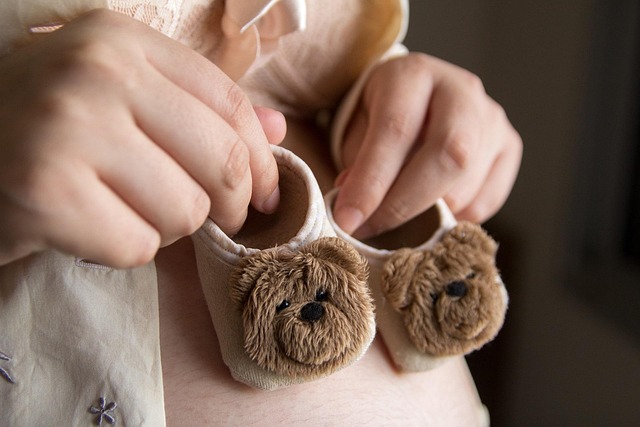
Lifestyle Changes to Make for Conceiving at Home
6. Consider Supplements
Certain supplements have been shown to improve fertility in both men and women. These include folic acid, vitamin D, and omega-3 fatty acids. However, it’s important to consult with your doctor before starting any supplements, as they may interact with other medications or have side effects.
7. Maintain a Healthy Weight
Being either underweight or overweight can have a negative impact on fertility. It is essential to maintain a healthy weight for your body type as it can affect hormone levels and ovulation. Work with your doctor or a nutritionist to find a healthy weight range and create a plan to achieve it.
8. Avoid Harmful Chemicals
Exposure to certain chemicals, such as pesticides, can affect fertility. It is crucial to avoid contact with these chemicals as much as possible. If you work in an environment with potential hazards, take necessary precautions to protect yourself. It’s also important to be aware of the chemicals in your household products and switch to natural, chemical-free alternatives.
9. Get Enough Sleep
Getting enough quality sleep is crucial for overall health and fertility. Lack of sleep can disrupt hormone levels and affect ovulation. Aim for 7-9 hours of sleep per night and try to maintain a consistent sleep schedule.
10. Seek Professional Help
If you have been trying to conceive for a while without success, it may be time to seek professional help. A fertility specialist can help identify any underlying issues and provide you with the necessary treatment. They can also provide guidance on lifestyle changes and supplements to improve your chances of conceiving.
In conclusion, while there is no one-size-fits-all solution for conceiving at home, making these lifestyle changes can increase your chances of getting pregnant. Maintaining a healthy diet, regular exercise, reducing stress, tracking ovulation, and seeking professional help when needed are all important factors to consider when trying to conceive at home. Remember to be patient and kind to yourself during this journey, and don’t hesitate to seek support from your partner, friends, and family.
Summary:
Trying to conceive at home can be a challenging journey, but there are certain lifestyle changes that can increase your chances of getting pregnant. These include maintaining a healthy diet, regular exercise, reducing stress, tracking ovulation, paying attention to your partner’s health, considering supplements, maintaining a healthy weight, avoiding harmful chemicals, getting enough sleep, and seeking professional help when needed. By making these lifestyle changes, you can improve your overall health and increase your chances of conceiving at home.