Blog Post: The Ups and Downs of Conception After Birth Control Pills
Conception and pregnancy are natural processes that can be affected by various factors. One of the most common ways to prevent pregnancy is by using birth control pills. These pills contain synthetic hormones that prevent ovulation and therefore, prevent pregnancy. However, many women wonder about the effects of birth control pills on their fertility after they stop taking them. In this blog post, we will discuss the ups and downs of conception after birth control pills.
The Ups:
1. Easy to Stop: One of the biggest advantages of birth control pills is that they are easy to stop. Unlike other forms of birth control such as implants or IUDs, birth control pills can be stopped at any time without the need for a medical procedure. This makes it a convenient option for women who are planning to conceive in the near future.
2. Regular Menstrual Cycles: Birth control pills contain hormones that regulate the menstrual cycle and make it more predictable. This can be beneficial for women who had irregular periods before taking the pills. Regular menstrual cycles can also help in tracking ovulation, making it easier to plan for pregnancy.
3. Reduced Risk of Certain Health Conditions: Birth control pills have been found to reduce the risk of ovarian and endometrial cancer. They also help in managing conditions like polycystic ovary syndrome (PCOS) and endometriosis. By reducing the risk of these health conditions, birth control pills indirectly improve the chances of conception after stopping them.
The Downs:
1. Delayed Return to Fertility: The main concern for many women is whether birth control pills can affect their fertility after they stop taking them. While research suggests that fertility returns to normal after stopping the pills, it may take some time for ovulation to resume. In some cases, it may take a few months for the body to adjust and for ovulation to occur regularly.
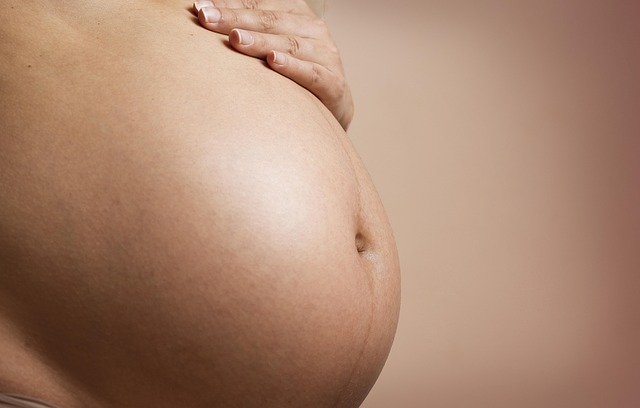
The Ups and Downs of Conception After Birth Control Pills
2. Increased Risk of Miscarriage: Studies have shown that women who conceive soon after stopping birth control pills have a slightly higher risk of miscarriage. This is because the body may not have enough time to adjust to the sudden change in hormone levels, making it difficult for a pregnancy to be sustained.
3. Underlying Fertility Issues: For some women, birth control pills may have masked underlying fertility issues. These issues may only be discovered when they stop taking the pills and try to conceive. It is important to consult with a doctor if you have been on birth control pills for a long time and are having trouble getting pregnant.
Tips for Conceiving After Birth Control Pills:
1. Give Your Body Time to Adjust: As mentioned earlier, it may take a few months for ovulation to resume after stopping birth control pills. It is important to give your body time to adjust and get back to its natural rhythm.
2. Track Your Ovulation: Use methods like tracking your basal body temperature or using ovulation predictor kits to determine when you are ovulating. This will help you time intercourse for the best chances of conception.
3. Stay Healthy: Maintaining a healthy lifestyle can improve your chances of conception. This includes eating a nutritious diet, exercising regularly, and avoiding harmful substances like alcohol and tobacco.
4. Seek Medical Help: If you have been trying to conceive for more than a year without success, it may be time to consult with a fertility specialist. They can help identify any underlying fertility issues and provide appropriate treatment.
In conclusion, while birth control pills are an effective form of contraception, they may have some effects on fertility after stopping them. It is important to be aware of these potential ups and downs and to consult with a healthcare professional if you have any concerns. By following the tips mentioned above, you can increase your chances of conceiving after birth control pills and have a healthy pregnancy.
Summary: Birth control pills are a popular form of contraception but many women wonder about their effects on fertility after stopping them. While they are easy to stop and can regulate menstrual cycles and reduce the risk of certain health conditions, they may also cause a delay in return to fertility and increase the risk of miscarriage. It is important to give the body time to adjust, track ovulation, maintain a healthy lifestyle, and seek medical help if needed when trying to conceive after birth control pills.