The Return of Fertility: Preparing for Conception After the Mirena
For many women, the Mirena intrauterine device (IUD) has been a convenient and effective form of birth control. However, there may come a time when you decide to start a family and remove the Mirena. While the device is highly effective at preventing pregnancy, it can also have an impact on your fertility once it is removed. In this blog post, we will discuss the effects of the Mirena on fertility and provide tips for preparing for conception after its removal.
The Mirena IUD is a small T-shaped device that is inserted into the uterus by a healthcare provider. It releases a low dose of the hormone progestin, which thickens the cervical mucus, making it difficult for sperm to reach the egg. The Mirena is over 99% effective at preventing pregnancy and can last for up to 5 years. This makes it a popular choice for women who do not want to get pregnant in the near future.
However, once the Mirena is removed, it is possible for fertility to return quickly. Some women may even become pregnant within a few days of removal. This is because the Mirena does not impact the ovaries or their ability to produce eggs. However, for some women, it may take a bit longer for fertility to return. This is due to individual factors such as age, overall health, and any underlying fertility issues.
One of the first steps in preparing for conception after the Mirena is to have a conversation with your healthcare provider. They can help you determine the best time to remove the device and provide guidance on how to track your ovulation. It is also important to discuss any preexisting health conditions or medications that may impact fertility.
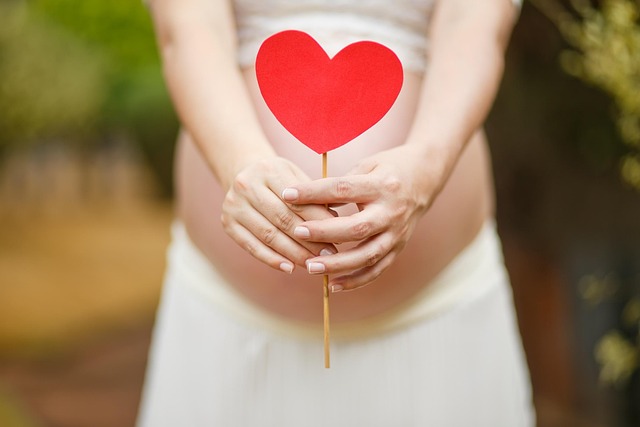
The Return of Fertility: Preparing for Conception After the Mirena
It is also recommended to start taking a prenatal vitamin with folic acid at least 3 months before trying to conceive. Folic acid is essential for a healthy pregnancy and can help prevent birth defects. In addition to a prenatal vitamin, maintaining a healthy and balanced diet can also improve fertility. Eating a variety of fruits, vegetables, whole grains, and lean proteins can provide the necessary nutrients for fertility and a healthy pregnancy.
Tracking your menstrual cycle is another important step in preparing for conception after the Mirena. The Mirena can cause changes in your menstrual cycle, so it may take a few months for it to regulate after removal. This is why it is important to track your cycle and ovulation. There are various methods for tracking ovulation, such as using ovulation predictor kits or tracking basal body temperature. By tracking your cycle, you can determine the best time to try to conceive.
In addition to physical preparation, it is also important to prepare emotionally and mentally for conception after the Mirena. Some women may experience a sense of loss or disappointment when removing the device, especially if they have been using it for a long time. It is important to acknowledge these feelings and seek support from your partner, friends, or a therapist if needed.
It is also important to keep in mind that getting pregnant after the Mirena may not happen immediately. It is normal for it to take a few months for fertility to return, and it may take a few more months to conceive. It is important to be patient and not become discouraged if it does not happen right away.
In some cases, women may experience difficulty conceiving after the Mirena due to underlying fertility issues. If you have been trying to conceive for over a year without success, it is recommended to see a fertility specialist for further evaluation. They can help identify any potential issues and provide guidance on fertility treatments if needed.
In conclusion, the Mirena IUD is a highly effective form of birth control, but it is important to be prepared for its potential impact on fertility once it is removed. By having open communication with your healthcare provider, taking care of your physical and emotional health, and tracking your cycle, you can increase your chances of successfully conceiving after the Mirena.