Blog Post: A New Chapter: Preparing for Conception After Stopping Birth Control
Deciding to start a family is a big step in anyone’s life. It’s an exciting and emotional journey that comes with its own set of challenges and preparations. For many women, the first step in this journey is to stop using birth control. But what happens after you stop taking birth control and how can you prepare your body for conception? In this blog post, we’ll explore the different aspects of preparing for conception after stopping birth control.
Understanding Your Body’s Natural Cycle
The first thing to understand is that birth control works by suppressing ovulation, the process by which your ovaries release an egg. When you stop taking birth control, your body starts to regulate its natural hormone levels again. This means that your body will start to go through a series of changes as it prepares for ovulation and a potential pregnancy.
One of the key things to track during this time is your menstrual cycle. While on birth control, your periods were regulated by the hormones in the pills. But now that your body is no longer receiving those hormones, your periods may become irregular for a while. This is completely normal and can take a few months to regulate. Keeping track of your menstrual cycle can help you identify when you’re ovulating and when you’re most fertile.
Optimizing Your Diet and Lifestyle
Eating a healthy and balanced diet is important for overall health, but it can also play a role in preparing your body for conception. Make sure to include plenty of fruits, vegetables, whole grains, and lean proteins in your diet. These foods can provide the necessary vitamins and nutrients for optimal reproductive health.
In addition to a healthy diet, it’s also important to maintain a healthy lifestyle. This means getting regular exercise, managing stress levels, and avoiding unhealthy habits like smoking and excessive alcohol consumption. These lifestyle factors can affect your fertility and can also impact the health of your future baby.
Supplements and Vitamins for Fertility
In addition to a healthy diet, your doctor may recommend taking certain supplements or vitamins to improve your chances of conceiving. Some of the most common supplements for fertility include folic acid, vitamin D, and iron. These vitamins and minerals are essential for reproductive health and can also help reduce the risk of birth defects.
It’s important to consult with your doctor before starting any new supplements or vitamins, as they can recommend the right dosage and monitor any potential side effects. They may also suggest other supplements based on your medical history and individual needs.
Talking to Your Doctor
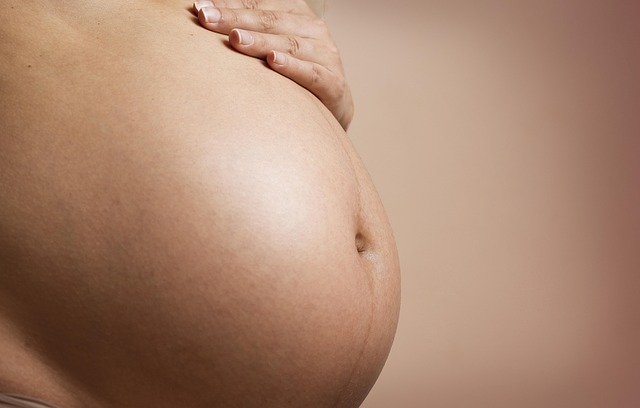
A New Chapter: Preparing for Conception After Stopping Birth Control
Before you start trying to conceive, it’s important to schedule a preconception appointment with your doctor. This is a great opportunity to discuss your medical history, any concerns you may have, and to get a general check-up. Your doctor can also provide you with personalized advice and recommendations for preparing your body for pregnancy.
During this appointment, your doctor may also recommend certain tests to ensure that you’re in optimal health for pregnancy. These tests may include blood work, a Pap smear, and a pelvic exam. It’s important to address any underlying health issues before trying to conceive to increase your chances of a healthy pregnancy.
Tracking Fertility and Ovulation
As mentioned earlier, tracking your menstrual cycle can help you identify when you’re ovulating and when you’re most fertile. This can be done through various methods such as tracking your basal body temperature, using ovulation predictor kits, or keeping track of changes in your cervical mucus.
There are also many apps and tools available that can help you track your fertility and ovulation. These can be especially helpful for women with irregular periods or those who want a more detailed understanding of their menstrual cycle.
Staying Patient and Positive
Preparing for conception after stopping birth control can be a rollercoaster of emotions. It’s important to remember that it may take some time for your body to regulate and for you to conceive. It’s also normal to feel anxious or worried about the process.
It’s important to stay patient and positive during this time and to have open and honest communication with your partner. Remember that every journey is unique and there is no “right” timeline for conception. Stay focused on taking care of your physical and emotional well-being, and trust that your body will do what it needs to do.
In Conclusion
Stopping birth control and preparing for conception can be an exciting and overwhelming time. By understanding your body’s natural cycle, optimizing your diet and lifestyle, taking necessary supplements, talking to your doctor, and tracking your fertility and ovulation, you can increase your chances of conceiving. Remember to stay patient and positive, and trust that your body is preparing for this new chapter in your life.
Summary:
Preparing for conception after stopping birth control involves understanding your body’s natural cycle, optimizing your diet and lifestyle, taking necessary supplements, talking to your doctor, and tracking fertility and ovulation. It’s important to stay patient and positive during this time and to remember that every journey is unique. Trust in your body’s natural processes and take care of your physical and emotional well-being.