Blog Post Title: Ways to Prepare Your Body for Pregnancy After 40
Summary:
Pregnancy after the age of 40 can bring about a unique set of challenges, but with proper preparation and care, it is possible to have a healthy and successful pregnancy. In this blog post, we will discuss various ways to prepare your body for pregnancy after 40, including lifestyle changes, medical considerations, and emotional support.
Firstly, it is important to maintain a healthy lifestyle before attempting to conceive. This includes eating a well-balanced diet rich in nutrients, such as folic acid, calcium, and iron. It is also recommended to limit alcohol and caffeine intake and avoid smoking. Regular exercise can also help to improve overall health and prepare the body for the physical demands of pregnancy.
In addition to a healthy lifestyle, it is crucial to undergo a preconception check-up with your healthcare provider. This will help to identify any underlying medical conditions that may affect your pregnancy, such as high blood pressure, diabetes, or thyroid disorders. It is also important to discuss any medications you are currently taking and make any necessary adjustments to ensure they are safe for pregnancy.
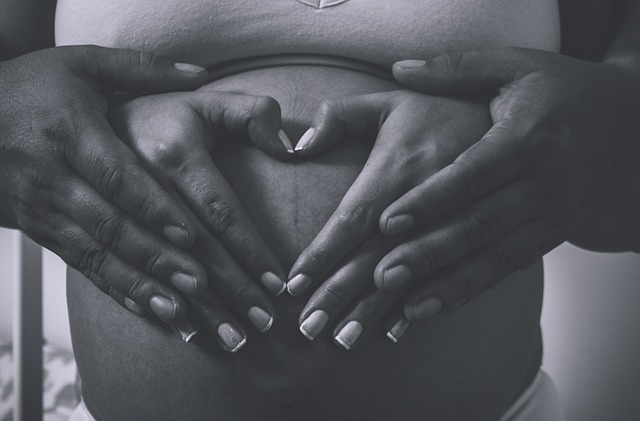
Ways to Prepare Your Body for Pregnancy After 40
For women over 40, there is an increased risk of chromosomal abnormalities in the baby, such as Down syndrome. Therefore, it is recommended to undergo genetic testing to assess the risk and consider options such as prenatal testing or in vitro fertilization (IVF) with preimplantation genetic testing.
In addition to medical considerations, it is essential to prioritize emotional well-being when preparing for pregnancy after 40. Many women may experience feelings of anxiety or pressure due to the age factor, but it is important to stay positive and seek support from loved ones or a therapist if needed. Mindfulness practices, such as meditation or yoga, can also help to reduce stress and improve overall mental health.
As women age, their fertility naturally declines, making conception more challenging. Therefore, it is important to understand and track ovulation to increase the chances of getting pregnant. Fertility tracking methods such as basal body temperature charting, ovulation predictor kits, and fertility apps can help to determine the most fertile days in a woman’s cycle.
In some cases, fertility treatments may be necessary to achieve pregnancy after 40. Options such as IVF or intrauterine insemination (IUI) can help to increase the chances of conception, but they also come with potential risks and considerations. It is crucial to discuss these options with a fertility specialist and make an informed decision.
Finally, it is important to have a strong support system in place during pregnancy after 40. This may include family, friends, or a support group for women over 40 who are trying to conceive. It is also helpful to connect with other women who have had successful pregnancies after 40 and share experiences and advice.
In conclusion, pregnancy after 40 may come with its own set of challenges, but with proper preparation and care, it is possible to have a healthy and successful pregnancy. Maintaining a healthy lifestyle, addressing any medical concerns, prioritizing emotional well-being, tracking ovulation, and seeking support are all essential steps in preparing the body for pregnancy after 40.