Blog Post:
Preparing for pregnancy is an exciting and important step in a couple’s journey towards parenthood. While there are many factors that can influence fertility and conception, one of the most crucial and often overlooked elements is having a proper preconception plan. This plan should focus on two main aspects: diet and exercise. In this blog post, we will discuss the essential elements of a preconception plan and how they can help increase your chances of conceiving.
Diet:
The saying “you are what you eat” holds true when it comes to fertility and pregnancy. A well-balanced and nutritious diet is crucial for both men and women who are trying to conceive. Here are some essential elements that should be included in a preconception diet plan:
1. Folic Acid:
Folic acid is a B vitamin that is important for the development of a baby’s neural tube, which eventually becomes the brain and spinal cord. It is recommended that women who are trying to conceive take a daily supplement of 400-800 micrograms of folic acid. Foods such as leafy greens, beans, and citrus fruits are also excellent sources of folic acid.
2. Omega-3 Fatty Acids:
Omega-3 fatty acids are essential for the development of a baby’s brain and eyes. They also help regulate hormones and improve blood flow to the reproductive organs. Foods such as salmon, sardines, and chia seeds are excellent sources of omega-3 fatty acids.
3. Iron:
Iron is crucial for the production of hemoglobin, which carries oxygen to the cells in our body. During pregnancy, the body needs more iron to support the growth of the baby and the increased blood volume. Foods such as lean red meat, poultry, and dark leafy greens are excellent sources of iron.
4. Antioxidants:
Antioxidants help protect the body from oxidative stress, which can damage cells and affect fertility. They are also important for the development of a healthy embryo. Foods such as berries, dark chocolate, and green tea are rich in antioxidants.
5. Water:
Staying hydrated is important for overall health, but it is especially important when trying to conceive. Drinking enough water helps keep the body functioning properly and can also help regulate hormones. Aim to drink at least 8-10 glasses of water a day.
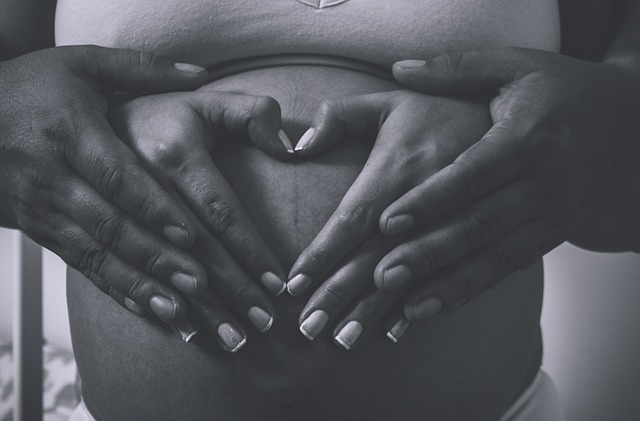
From Diet to Exercise: Essential Elements of a Preconception Plan
Exercise:
In addition to a healthy diet, regular exercise is also crucial for a successful preconception plan. Here are some essential elements of an exercise plan for those trying to conceive:
1. Cardio:
Cardiovascular exercise such as jogging, cycling, or swimming helps increase blood flow to the reproductive organs, which can improve fertility. It also helps maintain a healthy body weight, which is important for fertility.
2. Strength Training:
Incorporating strength training into your exercise routine can help build muscle and improve overall body strength. It can also help improve hormone balance and regulate ovulation in women.
3. Yoga:
Yoga is a great form of exercise for those trying to conceive as it helps reduce stress and improve relaxation. It also helps improve flexibility and can be beneficial for women with conditions such as polycystic ovary syndrome (PCOS) that can affect fertility.
4. Pelvic Floor Exercises:
Pelvic floor exercises, also known as Kegels, are important for both men and women who are trying to conceive. These exercises help strengthen the muscles that support the bladder, uterus, and rectum, which can help improve fertility and prepare the body for pregnancy and childbirth.
5. Mind-Body Connection:
The mind and body are closely connected, and stress can have a significant impact on fertility. Incorporating relaxation techniques such as meditation or deep breathing into your exercise routine can help reduce stress and improve fertility.
In summary, a proper preconception plan should include a well-balanced diet that is rich in essential nutrients, as well as a regular exercise routine that includes cardio, strength training, and mind-body practices. It is also important to maintain a healthy body weight, avoid harmful substances such as alcohol and tobacco, and consult with a healthcare provider for any specific recommendations.
Implementing these essential elements into your preconception plan can help increase your chances of conceiving and promote a healthy pregnancy. Remember to be patient and stay positive, as it can take time for your body to adjust and prepare for pregnancy. With a healthy diet and regular exercise, you are taking important steps towards a successful conception and a healthy baby.