Pregnancy is an exciting and life-changing experience for women, and proper nutrition is essential for a healthy pregnancy and baby. However, many women overlook the importance of nutrition before conception. This preconception period is a crucial time for women to prepare their bodies for pregnancy and ensure a healthy start for their future baby. In this blog post, we will discuss the importance of pregnancy-proofing your diet and provide nutrition tips for your preconception plan.
Why is Preconception Nutrition Important?
Proper nutrition before pregnancy is crucial for both the mother and the baby. It can help prevent birth defects, improve fertility, and reduce the risk of complications during pregnancy. Additionally, a well-nourished body can better handle the physical and hormonal changes that occur during pregnancy.
Nutrition Tips for Preconception Planning
1. Start Taking a Prenatal Vitamin
Ideally, women should start taking a prenatal vitamin at least three months before trying to conceive. These supplements contain essential vitamins and minerals such as folic acid, iron, and calcium, which are crucial for a healthy pregnancy. Folic acid, in particular, is essential in preventing birth defects of the brain and spinal cord.
2. Consume a Balanced Diet
A well-balanced diet is essential for preconception planning. It should include a variety of whole grains, fruits, vegetables, lean proteins, and healthy fats. These foods provide essential vitamins, minerals, and other nutrients that are vital for both the mother and the baby’s development. It is also essential to limit or avoid processed and high-fat foods, as they can negatively impact fertility and increase the risk of complications during pregnancy.
3. Increase Your Intake of Folate-Rich Foods
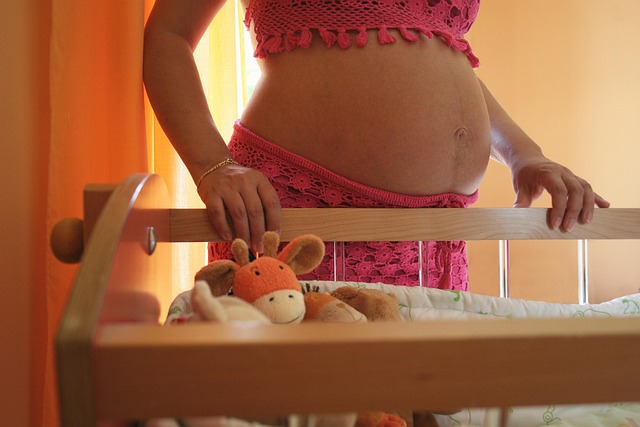
Pregnancy-Proofing Your Diet: Nutrition Tips for Your Preconception Plan
Folate is a B vitamin that is crucial for a healthy pregnancy. It helps prevent neural tube defects in the baby’s brain and spinal cord. Some excellent sources of folate include leafy green vegetables, legumes, citrus fruits, and fortified cereals.
4. Limit Your Intake of Caffeine and Alcohol
Caffeine and alcohol consumption should be limited or avoided altogether when trying to conceive. Both can negatively impact fertility and increase the risk of birth defects and pregnancy complications. Instead, opt for water, herbal teas, and caffeine-free beverages.
5. Avoid Raw or Undercooked Foods
Raw or undercooked foods can contain harmful bacteria that can cause foodborne illnesses. These infections can be particularly dangerous for pregnant women and their babies. Therefore, it is essential to avoid raw or undercooked meat, eggs, fish, and unpasteurized dairy products.
6. Consider Your Weight
Being underweight or overweight can impact fertility and increase the risk of complications during pregnancy. It is essential to maintain a healthy weight before trying to conceive. If you are overweight, try to lose weight gradually through a balanced diet and regular exercise. If you are underweight, focus on increasing your calorie intake through healthy foods.
7. Consult with a Healthcare Provider
It is always a good idea to consult with a healthcare provider before trying to conceive. They can provide personalized advice and recommendations based on your specific health needs. They may also suggest additional supplements or dietary changes to optimize your preconception health.
In summary, pregnancy-proofing your diet is crucial for a healthy and successful pregnancy. Starting a preconception plan at least three months before trying to conceive can help ensure that your body is well-nourished and ready for pregnancy. By following these nutrition tips and consulting with a healthcare provider, you can increase your chances of having a healthy baby and a smooth pregnancy journey.