Creating a Nutritious Preconception Diet for Optimal Health
The journey to parenthood begins long before conception. Preconception health is crucial for both the mother and the baby’s health during pregnancy and beyond. One of the most important aspects of preconception health is following a nutritious diet. A well-balanced, nutrient-dense diet can help optimize fertility, support a healthy pregnancy, and even prevent certain birth defects. In this blog post, we will discuss the key components of a nutritious preconception diet and how to incorporate them into your daily meals.
1. Get Enough Folate
Folate, also known as folic acid, is an essential B vitamin that plays a critical role in fetal development. Adequate folate intake before conception and during early pregnancy can prevent neural tube defects, such as spina bifida, in the baby. The recommended intake of folate for women of child-bearing age is 400-800 mcg per day. You can get folate from foods like leafy greens, legumes, and fortified grains. It is also recommended to take a folic acid supplement to ensure you are getting enough of this essential nutrient.
2. Increase Your Iron Intake
Iron is another important nutrient for preconception health. It is essential for the production of hemoglobin, which carries oxygen to the cells in the body. During pregnancy, the body needs more iron to support the growing baby’s needs. Therefore, it is important to have adequate iron stores before conception. Good sources of iron include red meat, poultry, fish, leafy greens, and fortified cereals.
3. Include Healthy Fats
Healthy fats, such as omega-3 fatty acids, are crucial for preconception health. They help regulate hormones, reduce inflammation, and support a healthy reproductive system. You can find omega-3s in fatty fish, such as salmon and sardines, as well as in plant-based sources like flaxseeds and chia seeds. Including healthy fats in your diet can also help regulate ovulation and improve fertility.
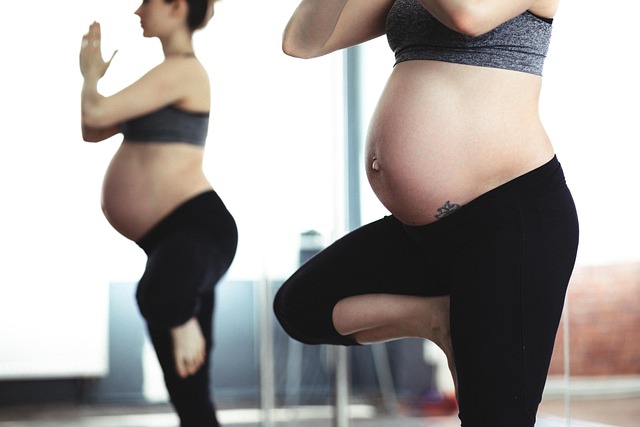
Creating a Nutritious Preconception Diet for Optimal Health
4. Eat a Variety of Fruits and Vegetables
Fruits and vegetables are packed with essential vitamins, minerals, and antioxidants that support overall health and fertility. They are also a great source of fiber, which helps regulate blood sugar levels and promotes a healthy digestive system. Aim to include a variety of colors in your diet, as each color represents different nutrients. Dark leafy greens, berries, citrus fruits, and cruciferous vegetables are all excellent choices for a preconception diet.
5. Don’t Forget About Protein
Protein is the building block of the body and is essential for the growth and development of the baby. It is also important for maintaining a healthy weight and blood sugar levels. Include lean sources of protein, such as chicken, fish, eggs, and legumes, in your meals to ensure you are getting enough of this essential nutrient.
6. Limit Processed Foods and Added Sugars
While it is important to focus on nutrient-dense foods, it is equally important to limit processed foods and added sugars. These foods can cause inflammation in the body, disrupt hormone balance, and lead to weight gain. Instead, opt for whole, unprocessed foods as much as possible. If you have a sweet tooth, satisfy it with natural sources of sugar, such as fruits.
7. Stay Hydrated
Staying hydrated is crucial for overall health and fertility. Water helps regulate body temperature, flush out toxins, and keep the body functioning properly. Aim to drink at least 8 glasses of water per day, and more if you are physically active or live in a hot climate. Herbal teas and coconut water are also great hydrating options.
In summary, a nutritious preconception diet should include plenty of folate, iron, healthy fats, fruits and vegetables, protein, and water. It is also important to limit processed foods and added sugars. Following these dietary recommendations can help optimize fertility, promote a healthy pregnancy, and set the foundation for a lifetime of good health for both the mother and the baby.