The Connection Between Nutrition and Fertility: How Diet Can Affect Your Chances of Conceiving
Fertility is a crucial aspect of human life, and couples who are trying to conceive often face a range of challenges. While there are various factors that can affect fertility, one that is often overlooked is nutrition. The food we eat plays a vital role in our overall health, including reproductive health. In this blog post, we will explore the connection between nutrition and fertility and how diet can affect your chances of conceiving.
The Link Between Nutrition and Fertility
Studies have shown that there is a direct link between nutrition and fertility. Our bodies require a range of vitamins, minerals, and other nutrients to function correctly, and this includes our reproductive system. When we don’t get enough of these essential nutrients, it can lead to various health issues, including fertility problems.
The Impact of Diet on Hormonal Balance
Hormonal balance is crucial for reproductive health, and our diet can significantly impact this balance. For example, a diet high in unhealthy fats and processed foods can lead to an increase in insulin levels, which can disrupt the production of reproductive hormones. On the other hand, a diet rich in whole foods, including fruits, vegetables, and healthy fats, can help maintain a healthy hormonal balance, making it easier to conceive.
The Role of Antioxidants
Antioxidants are compounds found in food that help protect our cells from damage caused by free radicals. This damage can lead to various health issues, including fertility problems. Studies have shown that antioxidants play a vital role in reproductive health, and a diet rich in these compounds can improve fertility. Some of the best sources of antioxidants include fruits, vegetables, nuts, and seeds.
The Importance of a Healthy Weight
Maintaining a healthy weight is crucial for overall health, but it also plays a significant role in fertility. Being overweight or underweight can lead to hormonal imbalances, making it difficult to conceive. Additionally, excess body fat can cause inflammation in the body, which can also affect reproductive health. Eating a balanced diet and maintaining a healthy weight can increase the chances of conceiving.
Foods That Can Boost Fertility
While there is no magic food that can guarantee fertility, some foods have been shown to boost reproductive health. These include:
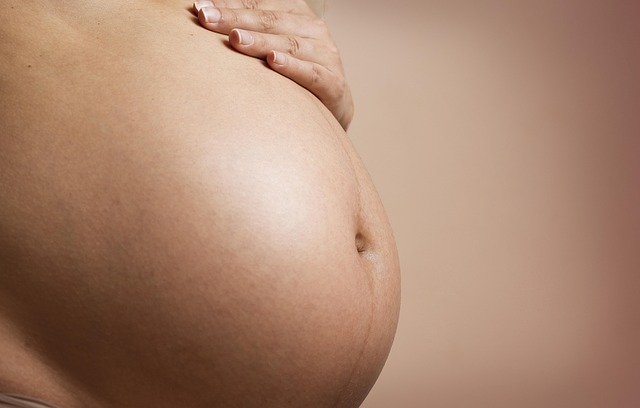
The Connection Between Nutrition and Fertility
1. Leafy Green Vegetables – Leafy greens are rich in folate, a B vitamin that is essential for reproductive health.
2. Fatty Fish – Fatty fish, such as salmon, sardines, and mackerel, are excellent sources of omega-3 fatty acids, which can help regulate hormones and improve fertility.
3. Berries – Berries are rich in antioxidants and can help reduce inflammation, making them an excellent addition to a fertility-boosting diet.
4. Nuts and Seeds – Nuts and seeds are rich in essential nutrients, including healthy fats, protein, and antioxidants, making them a great snack for boosting fertility.
5. Whole Grains – Whole grains are a good source of complex carbohydrates, which can help regulate insulin levels and maintain a healthy weight.
The Importance of a Well-Balanced Diet
While certain foods can boost fertility, the key to improving reproductive health is a well-balanced diet. A balanced diet should include a variety of fruits, vegetables, whole grains, lean proteins, and healthy fats. Additionally, it is essential to limit or avoid processed foods, refined sugars, and unhealthy fats, as these can have a negative impact on fertility.
The Role of Supplements
In some cases, it may be challenging to get all the necessary nutrients from food alone. In these situations, supplements can be beneficial. However, it is essential to consult with a healthcare professional before starting any supplements, as they can interact with medications and may not be suitable for everyone.
In Conclusion
The connection between nutrition and fertility is undeniable. Eating a well-balanced diet that is rich in essential nutrients can improve reproductive health and increase the chances of conceiving. Additionally, maintaining a healthy weight and incorporating fertility-boosting foods into your diet can also help. Remember to consult with a healthcare professional before making any significant changes to your diet or starting any supplements.
In summary, nutrition plays a vital role in fertility, affecting factors such as hormonal balance, antioxidant levels, and weight management. A well-balanced diet that includes a variety of whole foods, along with limiting processed foods, can help improve reproductive health and increase the chances of conception. Additionally, certain foods, such as leafy greens, fatty fish, and berries, have been shown to boost fertility. Consulting with a healthcare professional and incorporating supplements can also be beneficial. By prioritizing nutrition, couples can give themselves the best chance of conceiving and starting a family.