Blog Post: Fertility Traditions in Central and South Asia
Fertility has always been a crucial aspect of human life, especially in cultures where large families and the continuation of family lines are highly valued. In Central and South Asia, fertility traditions have played a significant role in shaping the societies and beliefs of these regions. These traditions are deeply rooted in ancient customs and have been passed down from generation to generation. In this blog post, we will explore the various fertility traditions practiced in Central and South Asia and their significance in the local cultures.
1. Sacred Fertility Sites
One of the most prominent fertility traditions in Central and South Asia is the worship of sacred fertility sites. These sites are often natural landmarks such as rivers, mountains, and caves that are believed to have mystical powers to enhance fertility. For centuries, women have visited these sites to pray for fertility and seek blessings from the gods. The belief in the power of these sites is so strong that even today, many couples struggling with infertility make pilgrimages to these sacred places in hopes of conceiving a child.
2. Fertility Deities
Central and South Asia are home to a diverse range of cultures and religions, and each has its own fertility deities. In Hinduism, the god of fertility is Lord Shiva, and his consort Parvati is considered the goddess of fertility and motherhood. In Buddhist tradition, the goddess Tara is associated with fertility and is believed to help women conceive and have safe deliveries. The worship of these deities is a common practice in these regions and is deeply intertwined with the fertility traditions of the local communities.
3. Fertility Rituals and Offerings
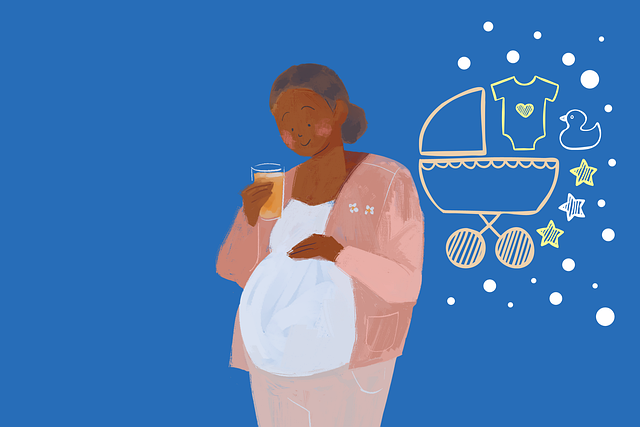
Fertility Traditions in Central and South Asia
Fertility rituals and offerings are an essential part of the fertility traditions in Central and South Asia. These rituals vary from region to region but often involve prayers, offerings, and sacrifices to the deities. For example, in Nepal, women perform a ritual called “Barah Barse” where they fast for 12 years and pray to the goddess Taleju for fertility. In some cultures, offerings of food, flowers, and other items are made to the deities as a way to seek their blessings for fertility.
4. Importance of Fertility in Marriage
In many parts of Central and South Asia, fertility is closely linked to marriage. In these societies, a woman’s ability to bear children is seen as a crucial factor in her value as a wife. As a result, there is immense pressure on women to conceive and bear children soon after marriage. In some cultures, women who are unable to conceive are often looked down upon and face societal stigma. This emphasis on fertility in marriage has led to the proliferation of fertility traditions and rituals in these regions.
5. Use of Traditional Medicines and Practices
Traditional medicines and practices have been an integral part of fertility traditions in Central and South Asia for centuries. These practices involve the use of herbs, oils, and other natural remedies to boost fertility and increase the chances of conception. For example, in Ayurveda, the ancient Indian system of medicine, there are specific herbs and treatments prescribed for infertility. These traditional practices are still widely used today, and many women swear by their effectiveness.
6. Influence of Modern Medicine
With the advancements in modern medicine, fertility treatments such as IVF and surrogacy have become more accessible in Central and South Asia. However, these treatments are often expensive and not affordable for many people in these regions. As a result, traditional fertility traditions and practices continue to be the primary option for couples facing fertility issues. Some even combine modern medical treatments with traditional practices, believing that it would increase their chances of success.
In summary, fertility traditions in Central and South Asia are deeply rooted in ancient customs and beliefs. These traditions highlight the significance of fertility in these societies and play a crucial role in shaping the lives of individuals and communities. From worshiping sacred fertility sites to performing rituals and using traditional medicines, these traditions continue to be an essential part of the culture and identity of the people in these regions.