Blog post:
Pregnancy is an incredible journey filled with joy, excitement, and anticipation. However, it can also bring about a lot of stress and anxiety. With the physical and emotional changes that come with pregnancy, it’s important to find ways to relax and prepare your mind and body for this life-changing experience. Meditation and deep breathing can be powerful tools to help you achieve a state of relaxation and calmness, not only during pregnancy but also in the preparation for it. In this blog post, we will explore the power of relaxation and how incorporating meditation and deep breathing into your routine can help you prepare for pregnancy.
Understanding the Importance of Relaxation in Pregnancy
Pregnancy can be a physically and emotionally taxing experience. As your body goes through various changes, it’s natural to feel overwhelmed and stressed. This can have a negative impact on your health and wellbeing, as well as the health of your baby. Stress during pregnancy has been linked to complications such as low birth weight, preterm labor, and postpartum depression.
Relaxation, on the other hand, can have numerous benefits for both you and your baby. It helps to reduce stress, anxiety, and tension, which in turn can lower your heart rate and blood pressure. Relaxation also promotes better sleep, which is crucial for a healthy pregnancy. It can also improve your overall mood and sense of well-being.
Preparing for Pregnancy with Meditation
Meditation is a powerful practice that involves training your mind to achieve a state of calmness and inner peace. It has been used for centuries as a way to reduce stress and promote relaxation. The beauty of meditation is that it can be done anywhere and at any time, making it a perfect tool for expecting mothers.
During pregnancy, your body goes through many changes, and it’s common to feel overwhelmed and anxious. Meditation can help you to quiet your mind and focus on the present moment. It allows you to tune out distractions and connect with your inner self. This can be particularly beneficial during pregnancy as it helps you to let go of any worries or fears and focus on the positive aspects of the journey.
How to Incorporate Meditation into Your Routine
If you’re new to meditation, it can seem intimidating at first. But with some practice and guidance, anyone can learn to meditate. Here are some tips to help you get started:
1. Find a quiet and comfortable spot: Choose a quiet place where you won’t be disturbed. You can sit on a cushion or chair, or even lie down if that’s more comfortable for you.
2. Focus on your breath: Close your eyes and take slow, deep breaths. Pay attention to the sensation of the breath entering and leaving your body. This will help you to clear your mind and enter a state of relaxation.
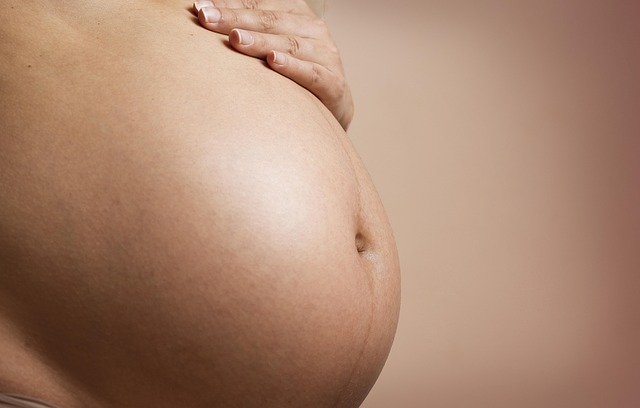
The Power of Relaxation: Preparing for Pregnancy Through Meditation and Deep Breathing
3. Use guided meditation: There are many guided meditation apps and videos available that can help you get started. These can be particularly helpful for beginners as they provide instructions and guidance throughout the practice.
4. Be patient: Meditation is a skill that takes time to develop. Don’t get discouraged if you find it difficult at first. With regular practice, you will find it easier to quiet your mind and achieve a state of relaxation.
The Power of Deep Breathing in Pregnancy
Deep breathing, also known as diaphragmatic breathing, is a simple yet powerful technique that can help you relax and reduce stress. It involves taking deep breaths from your diaphragm rather than your chest. This type of breathing stimulates the parasympathetic nervous system, which helps to slow down your heart rate, lower your blood pressure, and promote relaxation.
In addition to its calming effects, deep breathing can also improve circulation and oxygen supply to your baby, which is essential for their growth and development. It can also help to ease some of the physical discomforts of pregnancy, such as back pain and shortness of breath.
How to Practice Deep Breathing
Deep breathing can be done anytime and anywhere, making it a convenient tool for pregnant women. Here’s how to do it:
1. Sit or lie down in a comfortable position: Make sure you are in a quiet and comfortable spot.
2. Place one hand on your chest and the other on your belly: This will help you to feel the movement of your breath.
3. Inhale slowly and deeply through your nose, expanding your belly: Make sure that your chest stays still while your belly rises.
4. Exhale slowly and completely through your mouth: Feel your belly sinking back in.
5. Repeat for several minutes: Focus on the sensation of the breath and try to clear your mind of any distractions.
In summary, relaxation is crucial for a healthy and happy pregnancy. Incorporating meditation and deep breathing into your routine can help you to reduce stress, promote relaxation, and prepare your mind and body for the amazing journey of pregnancy. Remember to be patient with yourself and make time for self-care during this special time in your life.