From Folate to Omega-3s: Key Nutrients for Fertility and Conception
For many couples, starting a family is an exciting and highly anticipated milestone. But for some, achieving pregnancy can be a difficult and frustrating journey. While there are many factors that can impact fertility, one crucial aspect that is often overlooked is nutrition. In fact, maintaining a healthy and balanced diet is key for both men and women when it comes to fertility and conception. In this blog post, we will explore the importance of two key nutrients – folate and omega-3s – in promoting optimal reproductive health.
Folate, also known as folic acid, is a B vitamin that is essential for the production and maintenance of new cells in the body. This includes the development of healthy eggs and sperm, making it a crucial nutrient for both men and women when it comes to fertility. In women, folate has been shown to play a role in ovulation and increasing the chances of conception. In fact, a study conducted by the National Institutes of Health found that women who regularly consumed folate supplements were 40% less likely to experience ovulatory infertility. In men, folate has been linked to sperm health, with low levels of folate being associated with poor sperm quality and a higher risk of chromosomal abnormalities in sperm.
So, where can you find folate in your diet? Good sources include leafy greens, legumes, fortified cereals, and citrus fruits. However, it is important to note that folate is often destroyed during cooking, so it is recommended to consume folate-rich foods in their raw or lightly cooked form. Additionally, women who are trying to conceive or are already pregnant are advised to take a prenatal vitamin that contains folic acid to ensure they are meeting their daily requirements.
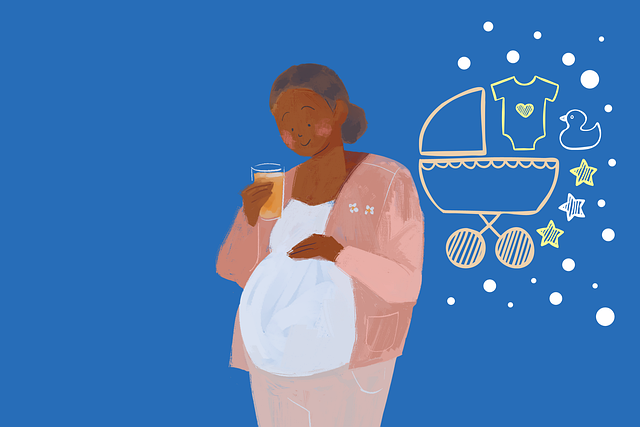
From Folate to Omega-3s: Key Nutrients for Fertility and Conception
Another key nutrient for fertility and conception is omega-3 fatty acids. These essential fats are crucial for reproductive health, as they help to regulate hormone production and support the development of healthy eggs and sperm. In women, omega-3s have been shown to improve egg quality and increase blood flow to the uterus, which can enhance the chances of successful implantation and pregnancy. In men, omega-3s have been linked to increased sperm count and motility, as well as improved sperm morphology.
So, where can you find omega-3s in your diet? The best sources are oily fish such as salmon, mackerel, and sardines, as well as nuts, seeds, and plant-based oils like flaxseed and chia. However, it can be challenging to consume enough omega-3s through diet alone, which is why many people turn to supplements. When choosing an omega-3 supplement, look for one that contains both EPA and DHA, as these are the two most beneficial forms of omega-3s.
In addition to promoting fertility and conception, both folate and omega-3s are also essential for a healthy pregnancy. Folate, in particular, is crucial for preventing birth defects of the brain and spine, such as spina bifida. Therefore, it is recommended for women to start taking a prenatal vitamin that contains folic acid at least one month before trying to conceive and continue throughout pregnancy.
In conclusion, proper nutrition is a crucial aspect of fertility and conception. Folate and omega-3s are two key nutrients that have been shown to enhance reproductive health in both men and women. By consuming a well-balanced diet that includes these nutrients, as well as taking supplements if needed, couples can improve their chances of conceiving and having a healthy pregnancy. Remember, good nutrition is not only important for the baby but also for the parents’ overall well-being.
In summary, maintaining a healthy and balanced diet is crucial for fertility and conception. Two key nutrients, folate and omega-3s, play a vital role in promoting reproductive health in both men and women. These nutrients can be found in a variety of foods, but supplements may be necessary to ensure adequate intake. By prioritizing good nutrition, couples can increase their chances of achieving a healthy pregnancy.