In recent years, there has been a growing interest in the connection between exercise and fertility. While exercise is often associated with physical fitness and weight management, it also plays a crucial role in reproductive health. Studies have shown that regular exercise can improve fertility in both men and women, making it an important factor to consider for those trying to conceive.
Exercise and Fertility in Women
For women, regular exercise can have a positive impact on fertility in several ways. First and foremost, it helps to maintain a healthy body weight. Being overweight or underweight can disrupt hormone levels and lead to irregular menstrual cycles, making it harder to conceive. Exercise can also improve insulin sensitivity, which is important for regulating ovulation and the menstrual cycle.
Furthermore, exercise can reduce stress levels and improve overall mental well-being. Stress has been linked to fertility issues, and high levels of stress can disrupt the hormonal balance needed for conception. Engaging in physical activity releases endorphins, which are known as the body’s “feel-good” chemicals, and can help to reduce stress and anxiety.
In addition, exercise can help to improve blood flow to the reproductive organs. This increased blood flow can help to nourish the eggs and create a more hospitable environment for conception. It can also help to reduce the risk of conditions that can hinder fertility, such as polycystic ovary syndrome (PCOS) and endometriosis.
The Importance of Exercise for Men’s Fertility
While much of the research on exercise and fertility has focused on women, studies have also shown that exercise can have a positive impact on men’s reproductive health. Regular exercise has been linked to improved sperm quality, including higher sperm count and motility. It can also help to reduce oxidative stress, which can damage sperm DNA and affect fertility.
Moreover, exercise can also improve testosterone levels in men, which is crucial for reproductive health. Low levels of testosterone have been linked to a decrease in sperm production and quality, as well as sexual dysfunction. By engaging in regular physical activity, men can maintain healthy testosterone levels and improve their chances of conceiving.
The Role of Exercise in Assisted Reproductive Technologies
For couples undergoing assisted reproductive technologies (ART), such as in vitro fertilization (IVF), exercise can also play a significant role in their success. Studies have shown that women who engage in regular exercise before undergoing IVF have higher success rates compared to those who do not exercise. This is because exercise can improve overall health and increase the chances of a successful pregnancy.
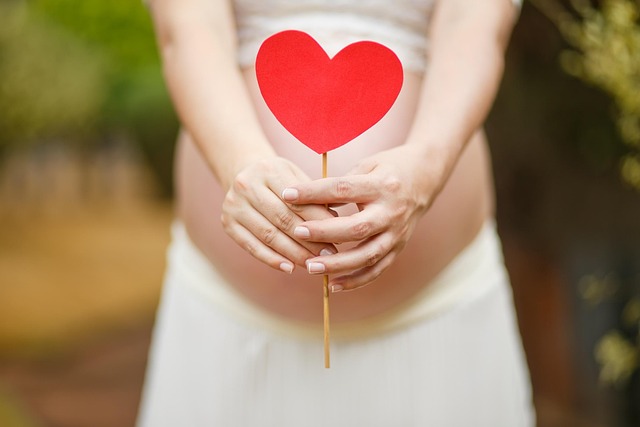
The Power of Exercise in Improving Fertility
Furthermore, exercise can help to reduce the side effects of ART, such as bloating and mood swings. It can also help to reduce stress and improve mental well-being, which can be beneficial during an emotionally and physically taxing process like IVF.
Tips for Exercising for Fertility
While exercise can be beneficial for fertility, it is essential to approach it in a healthy and balanced way. Excessive exercise or intense workouts can do more harm than good and may even decrease fertility. Here are some tips for exercising for fertility:
1. Aim for moderate exercise: Engaging in moderate physical activity for at least 30 minutes a day, five days a week, is recommended for overall health and fertility.
2. Choose activities you enjoy: Finding activities that you enjoy and can stick to is crucial for long-term success. This could include walking, swimming, yoga, or dancing.
3. Avoid extreme workouts: High-intensity workouts can increase stress levels and disrupt hormonal balance. It is best to stick to moderate-intensity exercises.
4. Listen to your body: Pay attention to your body and don’t push yourself too hard. If you feel exhausted or in pain, take a break or try a different activity.
5. Consult a doctor: If you have any underlying health conditions, consult with your doctor before starting a new exercise routine.
In conclusion, regular exercise can have a significant impact on fertility for both men and women. It can help to maintain a healthy weight, improve hormone balance, reduce stress, and improve overall reproductive health. When combined with a healthy diet and lifestyle, exercise can increase the chances of conception and lead to a healthy pregnancy. Remember to approach exercise in a balanced and healthy way, and always consult with a doctor before making any significant lifestyle changes.
SEO metadata: