Blog Post: Beyond the Clinic: The Impact of Lifestyle Choices on Artificial Insemination Success
Artificial insemination (AI) is a widely used assisted reproductive technology (ART) that involves the direct injection of sperm into a woman’s cervix, uterus, or fallopian tubes. It has become an increasingly popular option for couples struggling with infertility, as it offers a less invasive and less expensive alternative to in vitro fertilization (IVF). While the success rates of AI have improved over the years, there are still factors that can affect its success, including lifestyle choices.
In this blog post, we will delve deeper into the impact of lifestyle choices on artificial insemination success and discuss ways to optimize your chances of a successful AI procedure.
Smoking and Alcohol Consumption
Smoking and heavy alcohol consumption have long been linked to various health issues, including infertility. According to a study published in the Journal of Obstetrics and Gynaecology, women who smoke are twice as likely to experience implantation failure during AI compared to non-smokers. This is because smoking can damage the lining of the uterus, making it difficult for the embryo to implant and grow.
Similarly, excessive alcohol consumption can also have a negative impact on fertility. A study published in the American Journal of Epidemiology found that women who consumed more than 14 alcoholic drinks per week had a 18% lower chance of conceiving through AI compared to those who did not drink. The study also found that alcohol consumption can decrease the quality of sperm, making it less likely to fertilize an egg.
Maintaining a healthy weight
Obesity has been linked to numerous health issues, including infertility. In women, excess body fat can lead to hormonal imbalances and irregular ovulation, making it harder to conceive. A study published in the Journal of Clinical Endocrinology & Metabolism found that women with a body mass index (BMI) of 30 or higher had a 26% lower chance of becoming pregnant through AI compared to women with a normal BMI.
On the other hand, being underweight can also affect fertility. In a study published in Human Reproduction, women with a BMI lower than 19 had a 72% lower chance of achieving a successful AI pregnancy compared to women with a BMI between 19 and 24. Maintaining a healthy weight through a balanced diet and regular exercise can help improve the chances of a successful AI procedure.
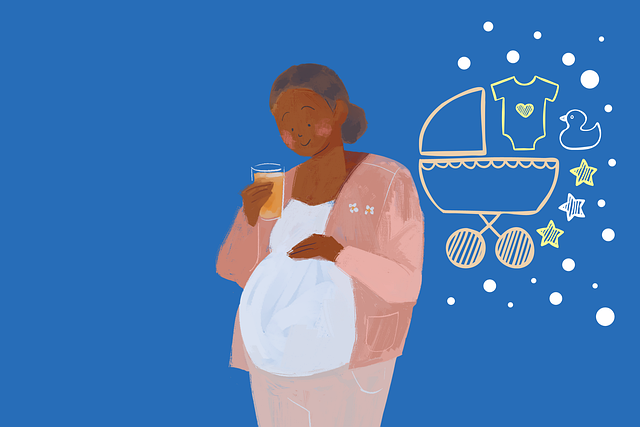
Beyond the Clinic: The Impact of Lifestyle Choices on Artificial Insemination Success
Stress Management
The process of trying to conceive can be stressful, and stress itself can have a negative impact on fertility. According to a study published in Fertility and Sterility, women who reported high levels of stress had a lower chance of getting pregnant through AI compared to those with lower stress levels. This is because stress can interfere with the hormones needed for ovulation and fertilization.
Finding ways to manage stress, such as practicing relaxation techniques, exercising, and seeking support from loved ones, can help improve the chances of a successful AI procedure.
Nutrition and Supplements
A healthy and balanced diet is important for overall health, including fertility. Consuming a variety of fruits, vegetables, whole grains, and lean proteins can provide the necessary nutrients for reproductive health. In particular, foods rich in antioxidants, such as berries, nuts, and leafy greens, can help improve egg and sperm quality.
In addition to a healthy diet, certain supplements have also been found to improve fertility. Coenzyme Q10, vitamin D, and folic acid have been shown to improve sperm quality and increase the chances of a successful AI pregnancy. However, it is important to consult with a healthcare professional before starting any supplements.
Conclusion
While AI has helped many couples achieve their dream of having a child, it is important to recognize that lifestyle choices can affect its success. Quitting smoking, limiting alcohol consumption, maintaining a healthy weight, managing stress, and following a nutritious diet can all play a significant role in improving the chances of a successful AI procedure.
If you are considering AI as an option for starting or growing your family, it is important to make lifestyle changes that will optimize your chances of success. Consulting with a healthcare professional can also provide valuable guidance on how to best prepare for an AI procedure.
In summary, lifestyle choices such as smoking, alcohol consumption, weight management, stress management, and nutrition can all have an impact on the success of artificial insemination. By making healthy choices and seeking professional guidance, couples can increase their chances of a successful AI pregnancy and fulfill their dreams of parenthood.