The Role of Nutrition in Conceiving: At-Home Aids for a Healthy Pregnancy
When it comes to trying to conceive, many couples are focused on tracking ovulation, timing intercourse, and visiting doctors for fertility treatments. However, one crucial aspect that is often overlooked is the role of nutrition in conceiving. A healthy diet not only improves overall health but can also increase fertility and support a healthy pregnancy. In this blog post, we will discuss the importance of nutrition in conceiving and provide some at-home aids for a healthy pregnancy.
The Importance of Nutrition in Conceiving
Eating a well-balanced diet that is rich in essential nutrients can play a significant role in improving fertility. For women, the right nutrition can help regulate hormones, improve egg quality, and increase the chances of ovulation. For men, proper nutrition can boost sperm count, motility, and quality. By focusing on nutrition, couples can improve their chances of conception and increase the likelihood of a healthy pregnancy.
Key Nutrients for Conceiving
1. Folic Acid: This essential nutrient is crucial for both men and women when trying to conceive. For women, folic acid can help prevent birth defects and support a healthy pregnancy. For men, it can improve sperm quality and reduce the risk of chromosomal abnormalities in the baby.
2. Iron: Iron plays a vital role in the production of healthy red blood cells, which are necessary for a healthy pregnancy. Women who are iron deficient may have trouble conceiving or have a higher risk of complications during pregnancy.
3. Omega-3 Fatty Acids: These healthy fats are essential for both men and women when trying to conceive. They can help regulate hormones, improve egg quality and sperm health, and reduce inflammation in the body.
4. Vitamin D: This vitamin is crucial for reproductive health in both men and women. It helps regulate hormone levels and supports healthy ovulation in women. In men, it can improve sperm motility and reduce the risk of DNA damage.
5. Zinc: Zinc is an essential mineral for fertility in both men and women. It plays a crucial role in the production of healthy sperm and can help regulate the menstrual cycle in women.
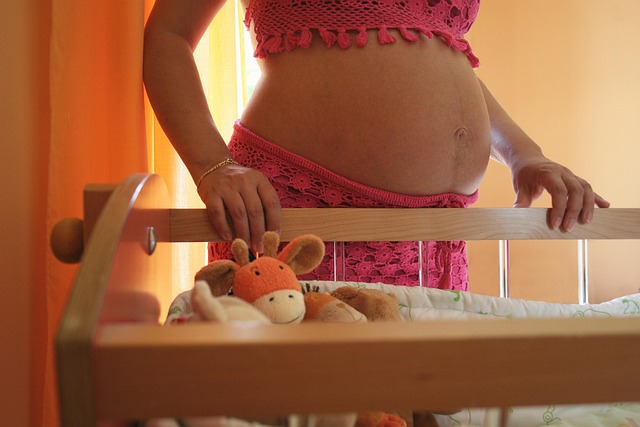
The Role of Nutrition in Conceiving: At-Home Aids for a Healthy Pregnancy
Foods to Include in Your Diet
To increase your intake of these key nutrients, it is essential to include a variety of foods in your diet. Some foods that are rich in these nutrients include:
– Leafy greens, such as spinach and kale, are excellent sources of folic acid, iron, and vitamin D.
– Avocados are a great source of healthy fats and vitamin E, which can improve sperm health.
– Wild-caught salmon is high in omega-3 fatty acids and vitamin D.
– Eggs are a great source of zinc and protein, which are essential for both male and female fertility.
– Citrus fruits, such as oranges and grapefruits, are rich in vitamin C, which can improve sperm quality and reduce the risk of birth defects.
– Nuts and seeds, such as almonds and pumpkin seeds, are excellent sources of zinc and healthy fats.
– Whole grains, such as quinoa and brown rice, are rich in B vitamins, which are important for female fertility.
At-Home Aids for a Healthy Pregnancy
Along with a nutritious diet, there are some at-home aids that couples can use to support a healthy pregnancy.
1. Preconception Multivitamins: Taking a prenatal or preconception multivitamin can help ensure that you are getting all the necessary nutrients for conception and a healthy pregnancy. Look for one that contains folic acid, iron, vitamin D, and zinc.
2. Herbal Teas: Some herbal teas, such as red raspberry leaf, nettle, and ginger, can help improve fertility and support a healthy pregnancy. Be sure to consult with a healthcare provider before adding any herbal teas to your diet.
3. Supplements: In addition to a multivitamin, some supplements may be beneficial for fertility and pregnancy. These include omega-3 fatty acids, CoQ10, and vitamin D.
4. Tracking Ovulation: Knowing when you are ovulating is crucial for timing intercourse and increasing the chances of conception. There are many at-home ovulation predictor kits available, or you can track your basal body temperature and cervical mucus changes to determine your fertile window.
5. Stress Management: Stress can have a significant impact on fertility and pregnancy. Finding ways to manage and reduce stress, such as practicing yoga, meditation, or deep breathing, can help improve overall health and increase the likelihood of conception.
In summary, nutrition plays a critical role in conceiving and supporting a healthy pregnancy. By including key nutrients in your diet, such as folic acid, iron, omega-3 fatty acids, vitamin D, and zinc, and incorporating at-home aids like preconception multivitamins, herbal teas, and stress management techniques, couples can increase their chances of conception and have a healthy pregnancy.