Maximizing Your Chances of Conceiving with Endometriosis: Preconception Care 101
Endometriosis is a common, yet often misunderstood, health condition that affects about 10% of women of reproductive age. It occurs when the tissue that normally lines the inside of the uterus grows outside of it, causing inflammation, scarring, and pain. This condition can also make it difficult for women to conceive, with some studies estimating that up to 40% of women with endometriosis struggle with infertility.
If you have endometriosis and are trying to conceive, you may feel overwhelmed and frustrated. However, there is hope. With proper preconception care, you can increase your chances of conceiving and having a successful pregnancy. In this blog post, we will discuss the importance of preconception care in managing endometriosis and provide tips for maximizing your chances of conceiving.
1. Get a Proper Diagnosis and Treatment
The first step in maximizing your chances of conceiving with endometriosis is to get a proper diagnosis and treatment. Endometriosis symptoms can vary greatly from person to person, and many women may not even know they have it until they start trying to conceive. If you experience symptoms such as pelvic pain, heavy periods, or pain during sex, it is important to consult with a healthcare provider who specializes in endometriosis. They can perform a thorough evaluation and recommend the best treatment plan for you, which may include medication, surgery, or a combination of both.
2. Track Your Menstrual Cycle
Tracking your menstrual cycle is crucial when trying to conceive, especially if you have endometriosis. Many women with this condition have irregular periods, making it difficult to predict when they will ovulate. By keeping track of your cycle, you can identify your most fertile days and time intercourse accordingly. There are various apps and tools available to help you track your cycle, or you can use a traditional calendar.
3. Consider Fertility Treatments
Maximizing Your Chances of Conceiving with Endometriosis: Preconception Care 101
For some women with endometriosis, natural conception may not be possible. In these cases, fertility treatments, such as in vitro fertilization (IVF) or intrauterine insemination (IUI), may be recommended. These treatments can help bypass the effects of endometriosis and increase the chances of successful conception. It is important to consult with a fertility specialist to determine the best course of treatment for your specific situation.
4. Make Lifestyle Changes
Making certain lifestyle changes can also help improve your chances of conceiving with endometriosis. Some studies have shown that a healthy diet and regular exercise can help reduce inflammation and pain associated with endometriosis. Additionally, quitting smoking and limiting alcohol intake can also have a positive impact on fertility.
5. Reduce Stress
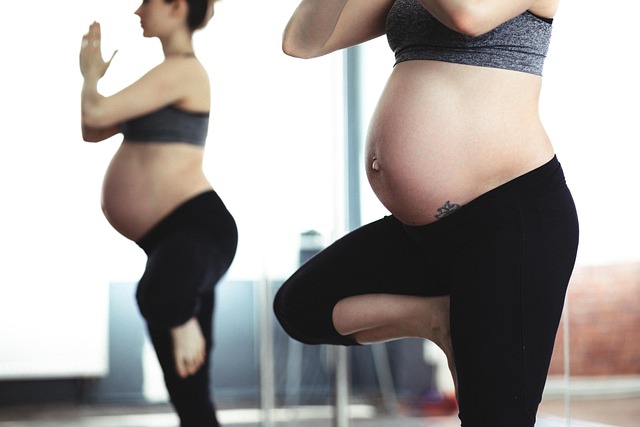
Stress can have a significant impact on fertility, especially for women with endometriosis. This condition can already cause physical and emotional stress, and adding the pressure of trying to conceive can make it even worse. Finding ways to reduce stress, such as practicing yoga, meditation, or seeking counseling, can help improve your overall well-being and increase your chances of conceiving.
6. Educate Yourself and Your Partner
Understanding endometriosis and how it can affect fertility is crucial for both you and your partner. Educate yourselves on the condition and its treatment options, as well as the emotional impact it can have on your relationship. By working together and supporting each other, you can navigate the challenges of trying to conceive with endometriosis.
In summary, endometriosis can make it challenging to conceive, but with proper preconception care, it is possible to increase your chances of getting pregnant. Getting a proper diagnosis and treatment, tracking your menstrual cycle, considering fertility treatments, making lifestyle changes, reducing stress, and educating yourself and your partner are important steps to take when trying to conceive with endometriosis. Remember to be patient and kind to yourself, and seek support from your healthcare provider and loved ones.