Endometriosis is a common and often painful condition in which the tissue that normally lines the uterus grows outside of it, causing inflammation and other symptoms. For many women, endometriosis can make conceiving a child difficult, but with proper preconception care, it is possible to improve your chances of getting pregnant. In this blog post, we will discuss the importance of preconception care for women with endometriosis and provide tips for increasing fertility and achieving a successful pregnancy.
What is Preconception Care?
Preconception care involves taking steps to optimize your health and fertility before trying to conceive. This can include making lifestyle changes, seeking medical treatment for any underlying conditions, and preparing both physically and emotionally for pregnancy. For women with endometriosis, preconception care is particularly important as the condition can have a significant impact on fertility and pregnancy.
Understanding the Link Between Endometriosis and Fertility
Endometriosis can affect fertility in several ways. The inflammation caused by the condition can damage the reproductive organs and interfere with ovulation. In addition, endometriosis can cause scar tissue to form, which can block or damage the fallopian tubes, making it difficult for sperm to reach the egg. Furthermore, the hormonal imbalances associated with endometriosis can disrupt the menstrual cycle and make it harder to conceive.
Seeking Medical Treatment
The first step in improving your chances of conceiving with endometriosis is to seek medical treatment. Your doctor may recommend different options depending on the severity of your condition and your individual health needs. These treatments can include pain management, hormone therapy, or surgery to remove scar tissue or endometrial growths.
Making Lifestyle Changes
In addition to medical treatment, making lifestyle changes can also play a significant role in improving fertility. This can include maintaining a healthy weight, quitting smoking, reducing alcohol consumption, and managing stress levels. These changes can improve overall health and help regulate hormones, making it easier to conceive.
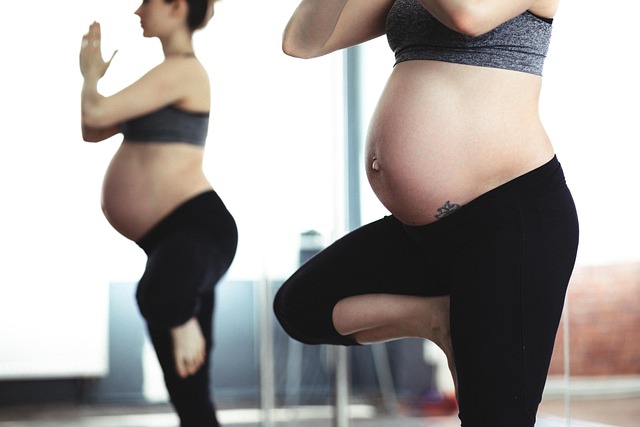
Improving Your Chances of Conceiving with Endometriosis: The Importance of Preconception Care
Boosting Fertility with a Fertility-Friendly Diet
Diet can also play a crucial role in fertility for women with endometriosis. Following a fertility-friendly diet can help regulate hormones, reduce inflammation, and improve overall health. Some key foods to include in a fertility diet include whole grains, leafy greens, lean proteins, and healthy fats. It is also important to limit or avoid processed foods, trans fats, and added sugars.
Tracking Ovulation and Timing Intercourse
For couples trying to conceive, tracking ovulation and timing intercourse can greatly increase the chances of success. This is especially important for women with endometriosis, as the condition can disrupt ovulation and make it harder to predict when the most fertile days are. There are various methods for tracking ovulation, such as using ovulation predictor kits, monitoring basal body temperature, or tracking changes in cervical mucus.
Considering Alternative Fertility Treatments
For some women with endometriosis, traditional fertility treatments such as in vitro fertilization (IVF) may be necessary to conceive. These treatments involve retrieving eggs from the ovaries and fertilizing them with sperm in a lab, then transferring the resulting embryo into the uterus. While these treatments can be costly and invasive, they have been successful for many women with endometriosis.
Preparing Emotionally for Pregnancy
Pregnancy can be an emotionally challenging time for any woman, and this is especially true for those with endometriosis. It is important to prepare yourself emotionally for the ups and downs that come with trying to conceive and pregnancy. Seeking support from loved ones, joining a support group, or talking to a therapist can all be helpful in managing the emotional aspects of this journey.
Summary:
Endometriosis can make conceiving a child difficult, but with proper preconception care, it is possible to improve your chances of getting pregnant. Preconception care involves seeking medical treatment, making lifestyle changes, and preparing both physically and emotionally for pregnancy. Women with endometriosis can boost their fertility by following a fertility-friendly diet, tracking ovulation, and considering alternative fertility treatments. It is also important to prepare for the emotional aspects of trying to conceive and pregnancy.