Blog post:
Endometriosis is a common and often painful condition that affects 1 in 10 women of reproductive age. It occurs when tissue similar to the lining of the uterus grows outside of the uterus, causing inflammation, scarring, and pain. While the exact cause of endometriosis is unknown, it is believed to be influenced by hormonal imbalances and genetics. One of the major concerns for women with endometriosis is its impact on fertility. In this blog post, we will discuss how endometriosis affects fertility and the role of preconception care in helping women with endometriosis conceive.
Understanding Endometriosis and its Impact on Fertility
The primary symptom of endometriosis is pelvic pain, especially during menstruation. However, many women with endometriosis also experience other symptoms such as heavy and irregular periods, pain during sex, and difficulty getting pregnant. Endometriosis can cause fertility problems in several ways.
Firstly, the growth of endometrial tissue outside of the uterus can lead to the formation of scar tissue. This scar tissue can block or damage the fallopian tubes, making it difficult for the egg to travel from the ovary to the uterus. This can result in infertility or an increased risk of ectopic pregnancy (when the fertilized egg implants outside of the uterus).
Secondly, endometriosis can disrupt the normal functioning of the ovaries. The endometrial tissue produces chemicals that can interfere with ovulation, making it challenging to get pregnant. Additionally, endometriosis can affect the quality of eggs, which can lead to problems with fertilization and implantation.
Lastly, the chronic inflammation caused by endometriosis can affect the lining of the uterus, making it difficult for a fertilized egg to implant and grow. This can result in an increased risk of miscarriage or difficulty maintaining a pregnancy.
Preconception Care for Women with Endometriosis
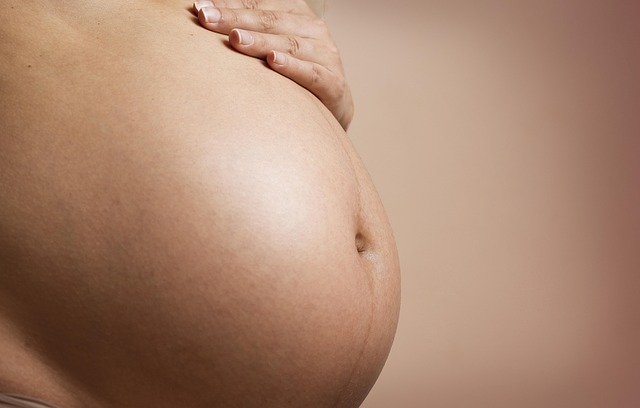
Endometriosis and Fertility: How Preconception Care Can Help You Conceive
Preconception care refers to the actions and strategies taken before pregnancy to optimize a woman’s health and increase the chances of a successful pregnancy. For women with endometriosis, preconception care is crucial in managing the condition and improving fertility. Here are some steps to consider for preconception care:
1. Consult with a specialist: If you have been diagnosed with endometriosis and are trying to conceive, it is essential to consult with a reproductive endocrinologist. These specialists have expertise in fertility and endometriosis and can provide personalized treatment plans to improve your chances of getting pregnant.
2. Manage pain and inflammation: Endometriosis can cause severe pain, which can make it challenging to conceive. It is vital to manage the pain and inflammation through medication, lifestyle changes, and alternative therapies such as acupuncture and yoga. Reducing inflammation can also help improve the health of the reproductive organs and increase fertility.
3. Address hormonal imbalances: Hormonal imbalances are often associated with endometriosis, and they can affect fertility. Your doctor may recommend hormonal birth control to help regulate your menstrual cycle and reduce the growth of endometrial tissue. Alternatively, they may prescribe medications to stimulate ovulation and improve the quality of eggs.
4. Consider surgery: In severe cases of endometriosis, surgery may be necessary to remove scar tissue, endometrial implants, and cysts. This can help improve fertility by restoring the normal functioning of the reproductive organs. It is essential to discuss the potential risks and benefits of surgery with your doctor.
5. Focus on nutrition and lifestyle: A healthy diet, regular exercise, and managing stress can all contribute to improving fertility. For women with endometriosis, it is crucial to focus on foods that reduce inflammation, such as fruits, vegetables, and omega-3 fatty acids. Additionally, maintaining a healthy weight, quitting smoking, and reducing alcohol consumption can all help improve fertility.
6. Consider fertility treatments: If you have been trying to conceive for a while without success, your doctor may recommend fertility treatments such as intrauterine insemination (IUI) or in vitro fertilization (IVF). These treatments can help bypass the blocked fallopian tubes and improve the chances of pregnancy.
In summary, endometriosis can significantly impact fertility, but there are steps you can take to improve your chances of conceiving. Preconception care is essential in managing endometriosis and optimizing your health for pregnancy. Consult with a specialist, manage pain and inflammation, address hormonal imbalances, consider surgery, focus on nutrition and lifestyle, and consider fertility treatments if necessary. With proper care and treatment, women with endometriosis can successfully conceive and have healthy pregnancies.