Endometriosis is a common and often painful condition that affects many women of reproductive age. It occurs when tissue similar to the lining of the uterus grows outside of the uterus, causing inflammation and scarring in the pelvic area. One of the biggest concerns for women with endometriosis is how it may impact their ability to have children. However, with proper preconception care and management, women with endometriosis can have a successful pregnancy and a healthy baby.
In this blog post, we will discuss the relationship between endometriosis and pregnancy, and provide preconception care strategies for women with endometriosis who are planning to conceive.
Understanding Endometriosis and its Impact on Pregnancy
Endometriosis can have a significant impact on a woman’s fertility and pregnancy. The condition can cause inflammation and scarring in the reproductive organs, making it difficult for the sperm to reach the egg and for a fertilized egg to implant in the uterus. It can also affect the health of the eggs and the lining of the uterus, making it challenging to maintain a healthy pregnancy.
Women with endometriosis may also have a higher risk of pregnancy complications such as miscarriage, ectopic pregnancy, and preterm birth. Additionally, endometriosis can cause symptoms such as pelvic pain, heavy periods, and painful intercourse, which can make it challenging to conceive and have a healthy pregnancy.
Preconception Care Strategies for Women with Endometriosis
If you have endometriosis and are planning to have a baby, it is essential to work closely with your healthcare provider to develop a preconception care plan. Here are some strategies that can help you increase your chances of having a healthy pregnancy and baby:
1. Manage your symptoms: It is crucial to manage your endometriosis symptoms before trying to conceive. This may include using pain medication, hormonal birth control, or alternative therapies such as acupuncture or yoga. Managing your symptoms can also help improve your overall health and well-being, which is essential for a healthy pregnancy.
2. Eat a healthy diet: A well-balanced and nutritious diet is crucial for women with endometriosis. It can help reduce inflammation and support reproductive health. Make sure to include plenty of fruits, vegetables, whole grains, and lean proteins in your diet. You may also want to consider adding supplements such as omega-3 fatty acids and folic acid to support your reproductive health.
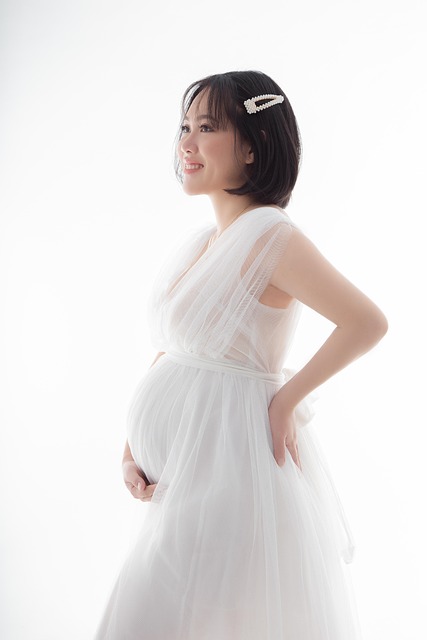
Endometriosis and Pregnancy Planning: Preconception Care Strategies for a Healthy Baby
3. Maintain a healthy weight: Being overweight or underweight can affect your fertility and increase the risk of pregnancy complications. If you are planning to conceive, it is essential to maintain a healthy weight through a balanced diet and regular exercise.
4. Consider fertility treatments: For women with severe endometriosis, fertility treatments such as in vitro fertilization (IVF) may be necessary to conceive. These treatments can help bypass the obstacles caused by endometriosis and increase the chances of pregnancy. However, it is crucial to discuss your options with your doctor and understand the potential risks and success rates of each treatment.
5. Address emotional well-being: Dealing with endometriosis and trying to conceive can be emotionally challenging. It is essential to address your emotional well-being and seek support from your partner, family, or a therapist. Stress and anxiety can affect your fertility, so taking care of your mental health is crucial for a successful pregnancy.
6. Monitor your menstrual cycle: Women with endometriosis may have irregular periods, making it difficult to track ovulation. Using ovulation predictor kits or tracking your basal body temperature can help you determine when you are most fertile and increase your chances of getting pregnant.
7. Talk to your doctor about medications: If you are taking medication for endometriosis, it is essential to discuss with your doctor whether it is safe to continue taking it while trying to conceive. Some medications may need to be stopped or replaced with safer alternatives during pregnancy.
8. Be patient: It is essential to remember that getting pregnant may take longer for women with endometriosis. Be patient and do not get discouraged if it takes some time. With proper preconception care and management, you can increase your chances of having a healthy baby.
Summary:
Endometriosis can have a significant impact on a woman’s fertility and pregnancy. However, with proper preconception care and management, women with endometriosis can have a successful pregnancy and a healthy baby. Strategies such as managing symptoms, eating a healthy diet, maintaining a healthy weight, considering fertility treatments, addressing emotional well-being, monitoring the menstrual cycle, and talking to a doctor about medications can help increase the chances of a healthy pregnancy. It is also essential to be patient and not get discouraged if it takes some time to conceive.