Blog Post Title: PCOS and Fertility: Finding the Right Balance for Conception
Polycystic Ovary Syndrome (PCOS) is a common hormonal disorder that affects 1 in 10 women of childbearing age. It is a complex condition that can cause a range of symptoms, including irregular periods, excessive hair growth, and difficulty conceiving. While the exact cause of PCOS is unknown, it is believed to be linked to hormonal imbalances and genetics. For women with PCOS who are trying to conceive, finding the right balance between managing their symptoms and optimizing their fertility can be a challenging but crucial journey. In this blog post, we will explore the relationship between PCOS and fertility and discuss ways to find the right balance for conception.
Understanding PCOS and its Impact on Fertility
PCOS is characterized by the presence of multiple small cysts on the ovaries, which can lead to hormonal imbalances. These imbalances can cause disruptions in the menstrual cycle, making it difficult for women with PCOS to ovulate regularly. As a result, they may experience irregular periods or even skip them altogether, making it harder to predict the fertile window for conception. Moreover, PCOS can lead to an excess of male hormones, such as testosterone, which can interfere with the development and release of eggs from the ovaries. This hormonal imbalance can also affect the quality of eggs, making it harder for them to be fertilized.
In addition to these physical effects, PCOS can also have a significant impact on a woman’s mental and emotional well-being. The uncertainty and frustration of trying to conceive with PCOS can take a toll on a woman’s mental health, leading to feelings of anxiety, depression, and stress. These emotions can further exacerbate the hormonal imbalances associated with PCOS, creating a vicious cycle that can make it even more challenging to conceive.
Finding the Right Balance for Conception
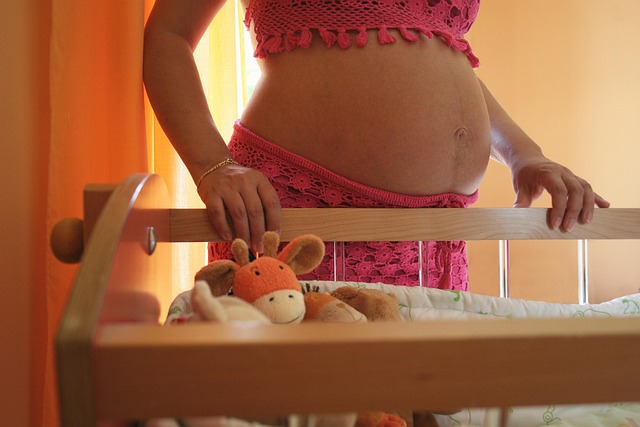
PCOS and Fertility: Finding the Right Balance for Conception
For women with PCOS, finding the right balance between managing their symptoms and optimizing their fertility is crucial for conception. Here are some steps that can help in this journey:
1. Seek Medical Support: The first step in finding the right balance is to seek medical support. A healthcare provider who specializes in PCOS can help you manage your symptoms and address any underlying health issues that may be affecting your fertility. They may recommend lifestyle changes, such as maintaining a healthy weight and exercising regularly, as well as medications to regulate your menstrual cycle and hormone levels.
2. Track Your Ovulation: Ovulation tracking is crucial for women with PCOS as it can help them identify their most fertile days. This can be done through methods such as tracking basal body temperature, cervical mucus, and using ovulation predictor kits. By tracking ovulation, women with PCOS can have a better understanding of their menstrual cycle and increase their chances of conceiving.
3. Consider Fertility Treatments: In some cases, lifestyle changes and medications may not be enough to help women with PCOS conceive. In such cases, fertility treatments such as ovulation induction, intrauterine insemination (IUI), and in vitro fertilization (IVF) can be considered. These treatments can help regulate ovulation and increase the chances of conceiving.
4. Manage Stress: As mentioned earlier, stress can have a significant impact on a woman’s fertility, especially for those with PCOS. Therefore, finding ways to manage stress, such as practicing yoga, meditation, or talking to a therapist, can be beneficial for both physical and mental well-being.
5. Focus on a Healthy Diet: A healthy diet is essential for women with PCOS as it can help manage symptoms and improve fertility. A diet rich in whole foods, fruits, vegetables, and lean proteins can help regulate insulin levels and hormone levels, which can improve ovulation and increase the chances of conception.
In summary, women with PCOS may face challenges when it comes to conceiving, but it is not impossible. By seeking medical support, tracking ovulation, considering fertility treatments, managing stress, and focusing on a healthy diet, women with PCOS can find the right balance for conception. It is essential to remember that every woman’s journey to conception is unique, and what works for one may not work for another. Therefore, it is crucial to consult with a healthcare provider and find a personalized plan that suits your specific needs.