Blog Post: Preparing for Conception After Birth Control: A Mother’s Story
When my husband and I decided we were ready to start a family, I never imagined that it would be a difficult journey. I had been on birth control for over 10 years and assumed that once I stopped taking it, I would easily become pregnant. However, that was not the case. As a mother who has gone through the experience of preparing for conception after birth control, I want to share my story and the tips I learned along the way.
The first thing I did was to stop taking my birth control pills. I had been on the pill for so long that I wasn’t sure how my body would react without it. I was surprised to find out that it took a few months for my menstrual cycle to regulate itself. This can be a common experience for women who have been on hormonal birth control for an extended period of time. It’s important to give your body time to adjust and don’t get discouraged if your period is irregular at first.
While waiting for my body to regulate, I started doing some research on how to prepare for conception after birth control. I learned that it’s essential to start taking a prenatal vitamin at least three months before trying to conceive. Prenatal vitamins contain essential nutrients like folic acid, iron, and calcium, which are crucial for the healthy development of a baby. I also made sure to eat a balanced diet and focused on incorporating more whole foods into my meals.
In addition to taking prenatal vitamins, I also started tracking my ovulation. This helped me understand my menstrual cycle better and pinpoint the best time for conception. There are various methods for tracking ovulation, including using ovulation predictor kits, tracking basal body temperature, and monitoring cervical mucus. I found that using a combination of these methods gave me the most accurate results. It’s essential to remember that every woman’s body is different, so it may take some time to find the tracking method that works best for you.
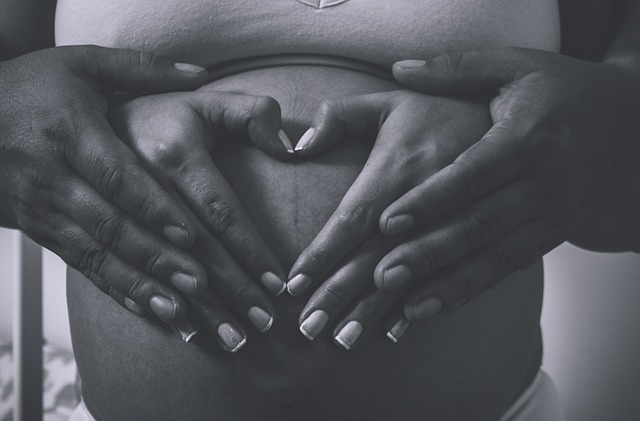
Preparing for Conception After Birth Control: A Mother's Story
Another crucial step in preparing for conception after birth control is to schedule a preconception checkup with your healthcare provider. This appointment is an opportunity to discuss any concerns you may have and ensure that you are in good health for pregnancy. Your healthcare provider can also run tests to check your hormone levels and make sure that your body is ready for conception.
As I continued on my journey, I also made some lifestyle changes to increase my chances of conception. I quit smoking and cut back on alcohol consumption. These habits can affect fertility and increase the risk of complications during pregnancy. I also started incorporating exercise into my daily routine. Not only does exercise help maintain a healthy weight, but it can also improve fertility by reducing stress and balancing hormones.
One of the toughest parts of preparing for conception after birth control was dealing with the emotional aspect. After months of trying and not getting pregnant, it’s easy to feel discouraged and frustrated. I found that talking to my partner and close friends about my feelings helped me stay positive. It’s also essential to remember that getting pregnant can take time, and it’s normal for it to not happen right away. Be patient and try not to stress too much, as stress can also affect fertility.
After nearly a year of trying, I finally received the news that I was pregnant. It was an incredible feeling, and I was overjoyed. Looking back on my journey, I realized that preparing for conception after birth control was not as easy as I thought it would be. It takes time, patience, and a lot of effort. But in the end, it was all worth it.
In summary, preparing for conception after birth control is a journey that requires patience, education, and support. It’s essential to give your body time to adjust after stopping birth control and to start taking prenatal vitamins. Tracking ovulation, scheduling a preconception checkup, and making lifestyle changes can also increase your chances of conceiving. And most importantly, don’t forget to take care of your emotional well-being throughout the process.