Smoking is a harmful habit that can have serious consequences on both preconception health and menopause. While most people are aware of the negative effects of smoking on overall health, it is important to understand the specific impact it can have on women’s reproductive health. In this blog post, we will discuss the various ways in which smoking can affect preconception health and menopause, and the importance of quitting smoking for women who are trying to conceive or are going through menopause.
Preconception health refers to the health of a woman before she becomes pregnant. It is a crucial aspect of reproductive health as it can impact the health of both the mother and the baby. Smoking has been linked to various negative effects on preconception health, including infertility, miscarriage, and pregnancy complications.
One of the main ways in which smoking affects preconception health is by decreasing fertility. Research has shown that smoking can decrease a woman’s chances of conceiving by up to 40%. This is because smoking affects the quality of eggs and can also disrupt the balance of hormones in the body, making it difficult for a woman to ovulate regularly.
Smoking also increases the risk of miscarriage in women who are trying to conceive. A study conducted by the National Institutes of Health found that women who smoked during pregnancy were twice as likely to experience a miscarriage compared to non-smokers. This is because smoking can damage the developing embryo and affect the proper growth and development of the placenta.
Furthermore, smoking during pregnancy can also lead to various pregnancy complications such as ectopic pregnancy, premature birth, and low birth weight. These complications can have long-term effects on the health of the baby, including developmental delays and chronic health conditions.
Aside from its impact on preconception health, smoking also has a significant effect on menopause. Menopause is a natural process in which a woman’s ovaries stop producing eggs and her menstrual cycle stops. It usually occurs between the ages of 45-55, but smoking can cause menopause to occur earlier.
Studies have shown that women who smoke are more likely to experience menopause 1-2 years earlier than non-smokers. This is because smoking can damage the ovaries and lead to a decline in estrogen levels. This decline in estrogen can cause women to experience symptoms of menopause earlier, such as hot flashes, mood swings, and changes in libido.
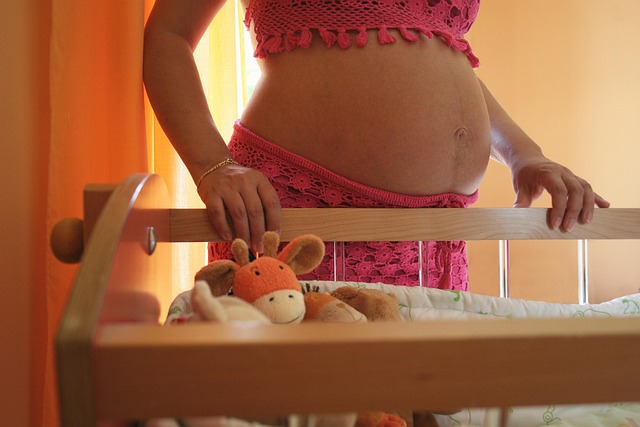
The Impact of Smoking on Preconception Health and Menopause
Moreover, smoking during menopause can also increase the risk of developing osteoporosis. Estrogen plays a crucial role in maintaining bone density, and the decline in estrogen levels during menopause can lead to a loss of bone mass. This, combined with the harmful chemicals in cigarettes, can increase the risk of osteoporosis and fractures in women who smoke.
Aside from the physical effects, smoking can also have a negative impact on a woman’s mental health during menopause. The hormonal changes and symptoms of menopause can already be challenging to deal with, and smoking can exacerbate these symptoms and lead to increased anxiety and depression.
Now that we have explored the various ways in which smoking can affect preconception health and menopause, it is important to understand the importance of quitting smoking for women who are trying to conceive or going through menopause.
Quitting smoking can significantly improve a woman’s chances of conceiving and having a healthy pregnancy. Studies have shown that women who quit smoking before trying to conceive have a higher chance of getting pregnant compared to those who continue to smoke. Quitting smoking can also decrease the risk of pregnancy complications and improve the overall health of the baby.
For women going through menopause, quitting smoking can help alleviate symptoms and reduce the risk of developing health conditions such as osteoporosis. It can also improve overall health and quality of life.
In addition to the physical benefits, quitting smoking can also have a positive impact on mental health. It can reduce feelings of anxiety and depression and improve overall well-being.
In conclusion, smoking has a significant impact on both preconception health and menopause. It can decrease fertility, increase the risk of pregnancy complications, and lead to early menopause. Quitting smoking is crucial for women who are trying to conceive or going through menopause, as it can improve their chances of conceiving, reduce the risk of health complications, and improve overall health and well-being.
In order to protect the reproductive health of women and their overall well-being, it is important to spread awareness about the harmful effects of smoking and encourage women to quit smoking for their own health and the health of their future children.