Summary:
Hormonal balance is crucial for preconception health and during menopause. It plays a vital role in fertility, pregnancy, and overall well-being. Hormones are chemical messengers that regulate various bodily functions, and any imbalances can lead to a range of health issues. In this blog post, we will discuss the importance of hormonal balance during preconception and menopause, the common causes of hormonal imbalances, and how to maintain hormonal balance through lifestyle changes, nutrition, and natural remedies.
During preconception, hormonal balance is essential for both partners. In women, it affects ovulation, menstrual cycles, and the ability to conceive. Imbalances in estrogen, progesterone, and other hormones can lead to irregular periods, polycystic ovarian syndrome (PCOS), and difficulty in getting pregnant. In men, hormonal imbalances can affect sperm production and quality, leading to infertility. Therefore, maintaining hormonal balance through proper nutrition, exercise, and stress management is crucial for couples trying to conceive.
Hormonal balance is also critical during menopause, a natural phase in a woman’s life when she stops having menstrual periods. During this time, estrogen and progesterone levels decline, leading to a range of symptoms, including hot flashes, mood swings, and vaginal dryness. Hormonal imbalances during menopause can also increase the risk of heart disease, osteoporosis, and other chronic conditions. By maintaining hormonal balance, women can manage menopausal symptoms and protect their long-term health.
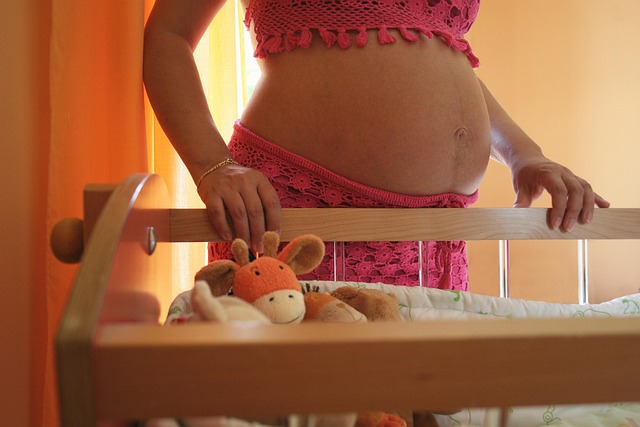
The Importance of Hormonal Balance for Preconception Health and Menopause
There are several factors that can disrupt hormonal balance, including poor diet, stress, inadequate sleep, and environmental toxins. Processed foods, high sugar intake, and unhealthy fats can all affect hormone production and metabolism. Chronic stress can lead to elevated levels of cortisol, the stress hormone, which can disrupt other hormones. Lack of sleep can also affect hormone production, leading to imbalances. Exposure to toxins, such as pesticides, chemicals, and synthetic hormones, can also disrupt hormonal balance.
To maintain hormonal balance, it is essential to make lifestyle changes that support overall health. This includes adopting a healthy and balanced diet, managing stress through relaxation techniques like meditation and yoga, getting enough rest and sleep, and reducing exposure to environmental toxins. A nutrient-rich diet that includes whole foods, healthy fats, and lean proteins is crucial for hormone production and metabolism. It is also essential to limit processed and sugary foods and opt for organic produce to avoid exposure to harmful toxins.
In addition to lifestyle changes, there are natural remedies that can help maintain hormonal balance. These include herbal supplements, such as maca root, ashwagandha, and vitex, which can help regulate hormones and reduce symptoms of hormonal imbalances. Essential oils, like clary sage and lavender, can also help balance hormones and reduce stress. Regular exercise, such as strength training and yoga, can also help regulate hormone levels and improve overall health.
In conclusion, hormonal balance is crucial for preconception health and during menopause. It affects fertility, pregnancy, and overall well-being. Maintaining hormonal balance requires making lifestyle changes, such as adopting a healthy diet, managing stress, and reducing exposure to toxins. Natural remedies, including herbal supplements and essential oils, can also help regulate hormones and promote overall health. By prioritizing hormonal balance, individuals can improve their chances of conceiving and manage menopausal symptoms, leading to better overall health and well-being.