Blog Post:
Fertility challenges can be a difficult and emotional journey for many individuals and couples. The desire to have a child is a natural and instinctive one, and when faced with obstacles in achieving this goal, it can be overwhelming. In addition to medical treatments and therapies, there is another aspect that can play a significant role in overcoming fertility challenges – rituals.
Rituals have been practiced for centuries in various cultures and traditions, and have been found to have a profound impact on physical, mental, and emotional well-being. In the context of fertility challenges, rituals can provide a sense of control, hope, and comfort during a time when individuals may feel powerless and uncertain.
One of the most common rituals associated with fertility is prayer. This can take many forms, such as reciting specific prayers, lighting candles, or creating a sacred space for meditation and reflection. Prayer can provide a sense of connection to a higher power and a source of strength and guidance. It can also serve as a way to express hopes and desires for a successful pregnancy.
Another common ritual is the creation of a fertility altar. This can be a physical space in the home where meaningful objects, such as statues, symbols, and photos, are displayed. The altar can serve as a focal point for meditation, visualization, and reflection. It can also be a reminder of the intention and commitment to achieving fertility goals.
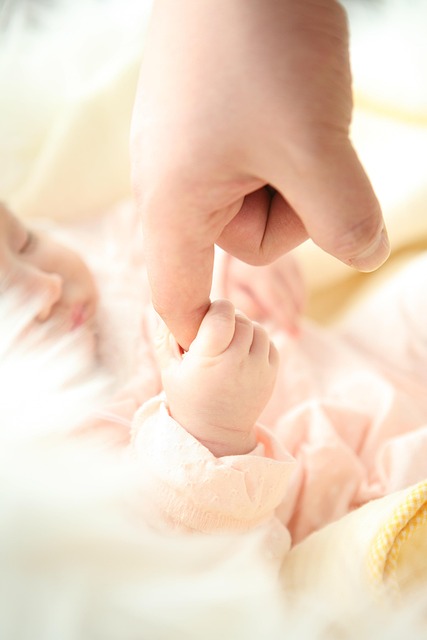
The Role of Rituals in Overcoming Fertility Challenges
Couples struggling with fertility challenges may also turn to rituals centered around their partnership. This can include creating a fertility vision board together, where they can visualize and manifest their desire to have a child. They may also perform a ritual to symbolize their commitment to each other and their shared journey towards parenthood.
In addition to these individual and couple-focused rituals, there are also community rituals that can be beneficial in overcoming fertility challenges. For example, women may participate in a fertility circle or ceremony, where they can share their experiences, offer support, and engage in healing practices. These rituals can create a sense of connection and belonging, which can be a powerful source of strength during a challenging time.
Rituals can also play a role in managing the emotional toll of fertility challenges. For instance, journaling can be a therapeutic ritual that allows individuals to express their feelings, fears, and hopes. It can serve as a safe and private outlet for processing emotions and reducing stress and anxiety.
In some cultures, specific foods and drinks are believed to have fertility-boosting properties and are incorporated into rituals. For example, in Chinese medicine, certain herbal teas and foods are thought to improve reproductive health and are often consumed as part of a fertility ritual. While there may not be scientific evidence to support these beliefs, the act of consuming these foods can have a positive psychological effect on individuals and couples.
It’s important to note that rituals should not be seen as a substitute for medical treatments and therapies. Instead, they can be used as complementary practices that support overall well-being and may have a positive impact on fertility outcomes.
In summary, the role of rituals in overcoming fertility challenges is multifaceted. They can provide a sense of control, hope, and comfort during a time of uncertainty. They can also strengthen the connection between individuals and their partners, as well as the larger community. Additionally, rituals can serve as a way to manage the emotional toll of fertility challenges and may even have a positive impact on fertility outcomes. While the journey towards parenthood may be difficult, incorporating rituals into one’s life can provide much-needed support and a sense of empowerment.