Fertility ceremonies have been a part of human history for centuries, with different cultures and traditions celebrating the creation of life in various ways. These ceremonies are a celebration of fertility, the ability to conceive and bear children, and the continuation of the human race. From ancient rituals to modern-day traditions, fertility ceremonies are a beautiful way to honor and appreciate the miracle of life.
In this blog post, we will take a closer look at fertility ceremonies, their significance, and how they are celebrated around the world. We will also explore the various elements and rituals of these ceremonies and their impact on individuals and societies.
The Significance of Fertility Ceremonies
Fertility ceremonies hold a special place in many cultures as they symbolize the cycle of life and the continuation of the human race. In ancient times, the ability to bear children was seen as a blessing from the gods, and fertility ceremonies were a way to honor and thank these deities. In some cultures, fertility was closely tied to the prosperity and survival of the community, making these ceremonies even more important.
Today, fertility ceremonies are still celebrated by many, but their meaning and significance have evolved. They are no longer just about asking for a blessing of fertility, but also a celebration of the journey towards parenthood and the creation of a new life.
Elements of Fertility Ceremonies
While fertility ceremonies can vary depending on the culture and traditions, there are some common elements that are often present. These include offerings and sacrifices, prayers and blessings, and rituals and dances.
Offerings and sacrifices are a way to show gratitude and ask for blessings from the gods or ancestors. These can range from simple offerings of food and flowers to more elaborate sacrifices such as animal sacrifices.
Prayers and blessings are an essential part of fertility ceremonies, as they are a way to communicate with the divine and ask for their guidance and blessings. These prayers and blessings can be conducted by religious leaders or elders of the community, and they often involve the whole community in the ceremony.
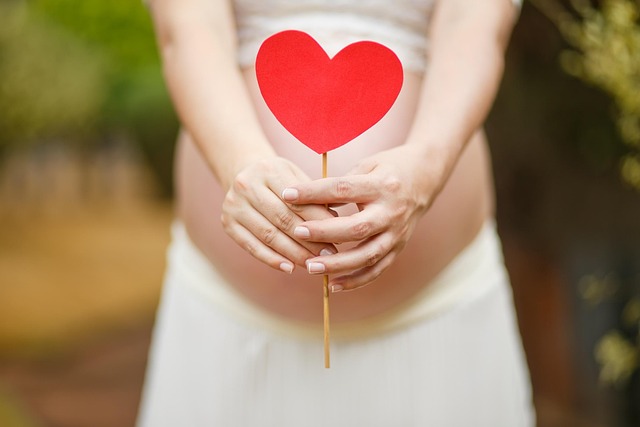
Fertility Ceremonies: A Celebration of Life and Creation
Rituals and dances are also an integral part of fertility ceremonies. These can vary greatly depending on the culture and can involve elements such as music, drumming, and dancing. These rituals are believed to bring fertility and blessings to those participating in the ceremony.
Fertility Ceremonies Around the World
Fertility ceremonies can be found in many cultures around the world, each with its own unique traditions and rituals. In ancient Egypt, the annual Opet festival was a celebration of the fertility god, Osiris, and his wife, Isis. The festival involved processions, feasting, and offerings to the gods in hopes of a bountiful harvest and fertility for the people.
In India, the festival of Holi is also a celebration of fertility. The festival is known for its colorful powders and water fights, symbolizing the playfulness and joy of fertility and new life. It is also a time for couples to pray for fertility and to seek blessings for a healthy and happy family.
In Africa, the Yoruba people of Nigeria have a fertility festival called the Ikorodu festival. It is a celebration of the goddess of fertility, Oshun, and is marked by singing, dancing, and offerings to the goddess. This festival is also a time for couples who are struggling with infertility to seek blessings and guidance from Oshun.
Modern-Day Fertility Ceremonies
While many traditional fertility ceremonies are still practiced today, there are also modern-day ceremonies that have emerged in recent years. These ceremonies often combine elements of ancient traditions with a more modern and inclusive approach.
One example is the Blessingway ceremony, which originated from the Navajo culture and has been adapted by modern-day mothers-to-be. This ceremony involves a gathering of close female friends and family to celebrate and support the expectant mother’s journey towards motherhood. It is a time for the mother to connect with her loved ones and receive blessings and guidance for a safe and healthy delivery.
Another modern fertility ceremony is the ‘Baby Shower’, which has become a popular tradition in many Western cultures. While it may not have the same religious or cultural significance as other fertility ceremonies, it is still a way to celebrate and honor the expectant mother and her unborn child. It is also a time for the mother to receive gifts and support from her loved ones as she prepares for the arrival of her baby.
In conclusion, fertility ceremonies are a beautiful way to celebrate the creation of life and the journey towards parenthood. They hold great significance in many cultures and are a reminder of the miracle of fertility and the continuation of the human race. Whether traditional or modern, these ceremonies are a celebration of life, love, and creation.