The Connection Between Rituals and Fertility
Rituals have long been an important part of human societies, serving as a way to mark important events and transitions, connect with the spiritual realm, and bring a sense of structure and stability to our lives. But did you know that rituals also have a deep connection to fertility? Throughout history, different cultures have developed rituals and traditions that are believed to increase fertility and aid in conception. In this blog post, we will explore the fascinating link between rituals and fertility, and how these practices can impact our reproductive health.
The History of Fertility Rituals
The origins of fertility rituals can be traced back to ancient civilizations such as the Egyptians, Greeks, and Romans. These cultures believed that fertility was directly linked to the gods and goddesses, and that performing specific rituals and offerings could increase their chances of conceiving. For example, the ancient Egyptians had a ritual called the “Festival of the Burning of the Lamps” where they would light candles and incense in honor of the goddess Isis, who was believed to have the power to grant fertility to women.
In ancient Greece, the goddess Demeter was worshipped for her role in fertility and agriculture. Women would participate in a ritual called the “Thesmophoria” where they would fast, abstain from sex, and offer sacrifices to Demeter in hopes of becoming pregnant. Similar rituals were also practiced in Rome, where women would participate in a ceremony called the “Matronalia” to honor the goddess Juno, who was believed to protect women during childbirth.
Fertility Rituals Around the World
Fertility rituals are not limited to ancient civilizations; they are still practiced in various forms around the world today. In Hinduism, there is a ritual called the “Garbhadhana” which is performed to ensure the birth of a healthy and intelligent child. This ritual involves reciting mantras, making offerings to the gods, and performing specific actions to promote fertility.
In many African cultures, fertility dances and ceremonies are an integral part of the community. These rituals often involve music, dancing, and elaborate costumes, and are believed to invoke the spirits of fertility to bless the women of the tribe with children. In some cultures, women will also take part in a ritual bath to cleanse themselves before trying to conceive.
The Connection Between Rituals and Fertility
The Role of Rituals in Reproductive Health
So why do humans believe in the power of rituals to aid in fertility? One theory suggests that rituals serve as a way to reduce stress and anxiety, which can have a significant impact on reproductive health. The mind-body connection is a powerful tool, and studies have shown that stress can interfere with ovulation and sperm production, making it more difficult to conceive. By performing rituals and focusing on a positive outcome, individuals may be able to reduce stress and increase their chances of conceiving.
Rituals can also serve as a way to create a sense of community and support for individuals trying to conceive. Infertility can be a lonely and isolating experience, and participating in a ritual with others who are going through a similar journey can provide a sense of comfort and understanding. This social support can have a positive effect on mental and emotional well-being, which in turn can improve fertility outcomes.
Modern Fertility Rituals
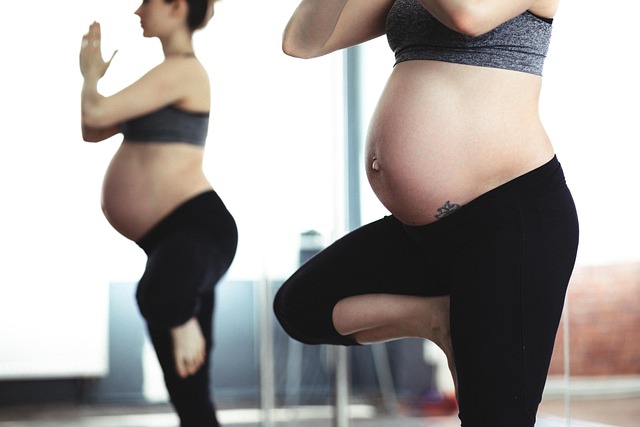
While some may view fertility rituals as outdated or superstitious, the practice is still relevant today, even in modern Western societies. In fact, many fertility clinics now offer complementary practices such as acupuncture, meditation, and yoga, which incorporate elements of ritual and can be beneficial in promoting fertility. These practices focus on reducing stress, improving overall well-being, and creating a positive mindset for conception.
In addition, many couples struggling with fertility turn to rituals and traditions from their own cultural or religious backgrounds to seek comfort and connection. These rituals may involve prayer, offerings, or specific actions believed to increase fertility. Regardless of the specific form, the underlying belief in the power of ritual remains a constant.
The Connection Between Rituals and Fertility: A Summary
Rituals have played a significant role in human societies throughout history, serving as a way to connect with the spiritual realm, mark important events, and bring a sense of structure and stability to our lives. But rituals also have a deep connection to fertility, as seen in the various fertility rituals and traditions practiced by cultures around the world. These rituals serve as a way to reduce stress, create a sense of community, and promote a positive mindset for conception. Even in modern times, the belief in the power of rituals to aid in fertility remains strong and continues to be a source of comfort and hope for many individuals and couples struggling to conceive.