Blog Post:
The journey to parenthood is a unique and personal one for every couple. For some, it may come easily and naturally, while for others, it may involve more planning and intentionality. Regardless of the path, one thing is for certain – fertility plays a crucial role in conception. In recent years, there has been a rise in the use of fertility tracking methods to aid in conception. These methods involve monitoring and tracking various aspects of a woman’s menstrual cycle to determine when she is most fertile. In this blog post, we will explore the connection between fertility tracking and conception, and what you need to know about it.
Understanding Fertility Tracking:
Fertility tracking involves keeping track of various factors such as basal body temperature, cervical mucus, and ovulation to determine when a woman is most fertile. These methods are based on the understanding that a woman’s body goes through different changes throughout her menstrual cycle, and by tracking these changes, one can identify the most fertile window for conception.
Basal body temperature (BBT) is the lowest body temperature reached during rest and is a crucial factor in fertility tracking. It is believed that a woman’s BBT rises slightly after ovulation, making it a reliable indicator of fertility. By tracking their BBT daily, women can identify when they are most fertile and plan intercourse accordingly.
Cervical mucus is another important factor in fertility tracking. It refers to the fluid produced by the cervix that helps sperm swim through the reproductive tract. As a woman approaches ovulation, her cervical mucus becomes more abundant, thinner, and stretchy – creating an ideal environment for sperm to survive and reach the egg.
Ovulation is the process of releasing an egg from the ovary, and it is the most fertile time of a woman’s cycle. While some women can easily identify when they are ovulating through physical symptoms such as cramping or spotting, others may need to rely on fertility tracking methods to pinpoint their ovulation day.
The Connection Between Fertility Tracking and Conception:
Fertility tracking methods can help couples increase their chances of conception by identifying the most fertile window for intercourse. By tracking their BBT, cervical mucus, and ovulation, couples can plan intercourse during the days when the chances of fertilization are highest.
Moreover, fertility tracking can also be beneficial for couples struggling with infertility. It can help identify any irregularities in a woman’s menstrual cycle, such as anovulation (lack of ovulation), which can be addressed by seeking medical assistance. Additionally, tracking one’s fertility can also help identify any potential fertility issues, allowing couples to seek treatment early on.
Another significant benefit of fertility tracking is that it can help couples who are trying to conceive to avoid unnecessary stress and frustration. By understanding their fertility window, couples can focus their efforts on the most crucial days, reducing the need for constant trying and disappointment.
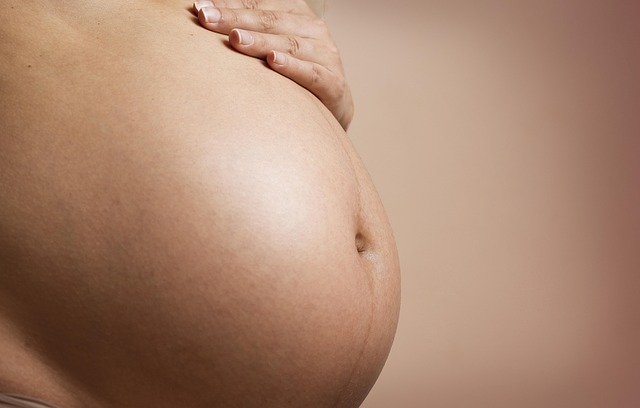
The Connection Between Fertility Tracking and Conception: What You Need to Know
Fertility Tracking Tools and Methods:
Thanks to advancements in technology, there are now various tools and methods available to help with fertility tracking. One of the most popular methods is using a fertility tracker or app. These apps allow women to input their daily BBT, cervical mucus, and other factors, and provide predictions for their fertile window and ovulation day.
Another method is using ovulation predictor kits (OPKs), which detect the surge of luteinizing hormone (LH) in a woman’s urine. This surge typically occurs 24-36 hours before ovulation, making OPKs an effective way to predict ovulation.
Some women may also choose to track their fertility through the sympto-thermal method. This method involves tracking BBT, cervical mucus, and other physical symptoms such as breast tenderness and mood changes to identify ovulation.
Factors That Can Affect Fertility Tracking:
While fertility tracking can be a useful tool in aiding conception, it is essential to understand that various factors can affect its accuracy. For instance, stress, illness, or travel can disrupt a woman’s menstrual cycle and make it challenging to track fertility accurately.
Additionally, fertility tracking methods may not be suitable for women with irregular menstrual cycles or those who have certain health conditions that affect their hormones.
It is also crucial to note that fertility tracking should not be relied upon as the sole method of contraception, as it is not 100% effective. Couples who do not wish to conceive should use additional methods of birth control during the fertile window.
In conclusion, the connection between fertility tracking and conception is a strong one. By understanding their fertility window and using the right tools and methods, couples can increase their chances of conceiving and potentially identify any underlying fertility issues. However, it is essential to keep in mind that fertility tracking is not foolproof and should not be relied upon as the only method of contraception.
Summary:
Fertility tracking involves monitoring various factors such as BBT, cervical mucus, and ovulation to identify the most fertile window for conception. It can be beneficial for couples trying to conceive and can also help identify any potential fertility issues. Fertility tracking tools and methods, such as fertility apps and OPKs, are widely available. However, various factors such as stress, illness, and irregular cycles can affect its accuracy. It should not be relied upon as the sole method of contraception.