Blog Post: Fertility Tracking and Conception: Your Questions Answered
Fertility tracking and conception can often be a confusing and overwhelming process. With so much information and advice available, it can be hard to know where to start or what is accurate. In this blog post, we will answer some of the most common questions about fertility tracking and conception, providing you with the necessary information to better understand your body and increase your chances of conceiving.
What is fertility tracking?
Fertility tracking, also known as fertility awareness, is the practice of monitoring and tracking your menstrual cycle to determine when you are most fertile. This can involve tracking your basal body temperature, cervical mucus, and/or changes in your cervix. By understanding the different phases of your cycle and the changes in your body, you can identify the most fertile days for conception.
How does fertility tracking help with conception?
Fertility tracking can help with conception by identifying the most fertile days in your cycle. This allows you to time intercourse for when you are most likely to conceive. It can also help you identify any potential issues with your cycle, such as irregularities or ovulation problems, which can then be addressed with a healthcare provider.
What are the different methods of fertility tracking?
There are several different methods of fertility tracking, including the basal body temperature method, the cervical mucus method, and the cervical position method. The basal body temperature method involves taking your temperature every morning before getting out of bed to track the slight increase in temperature that occurs after ovulation. The cervical mucus method involves monitoring changes in the texture and quantity of cervical mucus throughout your cycle. The cervical position method involves checking for changes in the position and firmness of your cervix.
Is fertility tracking an effective method of birth control?
Fertility tracking should not be used as a method of birth control as it is not as reliable as other forms of contraception. While tracking your cycle can help you identify when you are most likely to conceive, there is still a risk of pregnancy if intercourse occurs during this time. It is important to use another form of birth control if you are not trying to conceive.
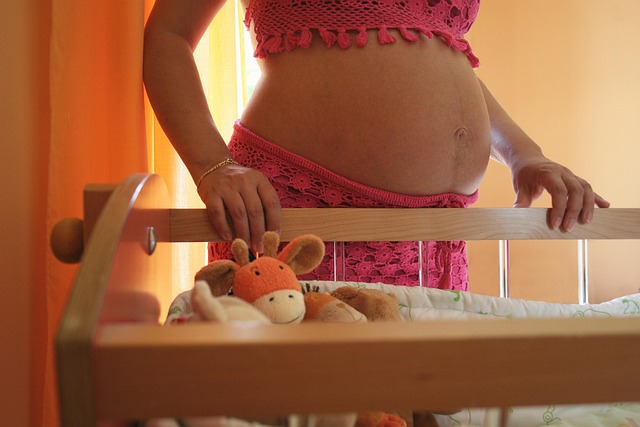
Fertility Tracking and Conception: Your Questions Answered
Can fertility tracking help diagnose fertility issues?
Yes, fertility tracking can help identify potential fertility issues. By tracking your cycle and recording any irregularities or issues, you can provide valuable information to your healthcare provider. This can help them diagnose any underlying issues and provide appropriate treatment.
Are there any risks associated with fertility tracking?
Fertility tracking itself does not pose any risks. However, relying solely on fertility tracking for birth control can increase the risk of unintended pregnancy. It is important to use another form of contraception if you are not trying to conceive. Additionally, if you notice any changes or irregularities in your cycle, it is important to discuss them with your healthcare provider to rule out any potential health concerns.
Can fertility tracking be used by everyone?
Fertility tracking can be used by most women, but it may not be as effective for those with irregular cycles or certain medical conditions. It is important to consult with a healthcare provider before relying on fertility tracking as a method of conception or birth control.
Are there any tools or apps available to help with fertility tracking?
Yes, there are many tools and apps available to help with fertility tracking. These can range from simple calendars to more advanced apps that use algorithms to predict your fertile days. It is important to do your research and choose a reputable tool or app to ensure accuracy.
How long does it take to get pregnant using fertility tracking?
The time it takes to get pregnant using fertility tracking can vary for each individual. On average, a healthy couple has a 25% chance of conceiving each month. However, this can be affected by factors such as age, overall health, and any underlying fertility issues.
In summary, fertility tracking is a natural and non-invasive way to monitor your cycle and identify your most fertile days. It can be helpful in understanding your body and identifying any potential fertility issues. However, it should not be relied upon solely for birth control and it is important to consult with a healthcare provider for any concerns or irregularities in your cycle.