Blog Post: Fertility Tracking and Nutrition: How What You Eat Can Affect Conception
For many couples, trying to conceive can be a challenging and emotional journey. While there are various factors that can affect fertility, one that is often overlooked is nutrition. What we eat plays a crucial role in our overall health, and this includes our reproductive health. In recent years, there has been a growing interest in fertility tracking and nutrition, with many studies showing a clear link between the two. In this blog post, we will dive into the importance of nutrition in fertility and how tracking your diet can help increase your chances of conception.
The Connection Between Nutrition and Fertility
Nutrition is essential for all bodily functions, and this includes the reproductive system. Our bodies need a variety of nutrients to function properly, and a deficiency in any of these can lead to fertility issues. For women, maintaining a healthy weight and a balanced diet is crucial for regular ovulation and hormone balance. On the other hand, men need proper nutrition to produce healthy sperm.
Studies have shown that certain nutrients can have a direct impact on fertility. For example, a deficiency in folic acid has been linked to an increased risk of ovulatory infertility in women. Additionally, a diet rich in antioxidants, such as vitamin C and E, has been shown to improve sperm quality and motility in men. This highlights the importance of a well-rounded and nutrient-dense diet in promoting fertility.
Fertility Tracking and Nutrition
Fertility tracking involves monitoring your menstrual cycle and identifying the most fertile days for ovulation. This can be done through various methods such as tracking basal body temperature, cervical mucus, or using ovulation predictor kits. While these methods are effective in predicting ovulation, they do not take into account the role of nutrition in fertility.
However, by combining fertility tracking with nutrition tracking, couples can gain a better understanding of their reproductive health and make necessary dietary changes to improve their chances of conception. Nutrition tracking involves keeping a record of your daily food intake and monitoring the nutrients you consume. This can be done manually through a food diary or by using various apps and online tools.
Using Nutrition Tracking to Improve Fertility
Nutrition tracking can help identify any deficiencies or imbalances in your diet that may be affecting your fertility. For example, if a woman is not consuming enough iron, it can lead to anemia, which has been linked to irregular menstrual cycles and reduced fertility. By tracking her diet, she can identify this deficiency and make necessary changes to improve her iron levels.
Moreover, nutrition tracking can also help identify any potential food sensitivities or allergies that may be affecting fertility. For instance, some women may have a sensitivity to gluten, which has been linked to inflammation in the body and can affect hormone balance and ovulation. By tracking their diet, women can identify any problematic foods and eliminate them from their diet to improve their reproductive health.
Foods to Include in a Fertility-Friendly Diet
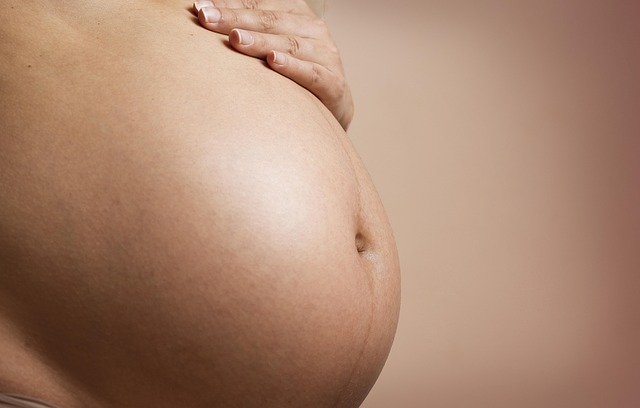
Fertility Tracking and Nutrition: How What You Eat Can Affect Conception
While a well-rounded and nutrient-dense diet is essential for fertility, there are specific foods that have been shown to have a positive impact on reproductive health. These include:
1. Leafy greens: Leafy greens such as spinach, kale, and Swiss chard are packed with nutrients like iron, folate, and vitamin C, which are essential for fertility.
2. Whole grains: Whole grains like quinoa, brown rice, and oats are a great source of complex carbohydrates, which help regulate insulin and hormone levels.
3. Healthy fats: Healthy fats, such as those found in avocados, nuts, and olive oil, are important for hormone production and balance.
4. Lean proteins: Proteins like lean meats, fish, and legumes provide essential amino acids that are necessary for egg and sperm development.
5. Berries: Berries are a rich source of antioxidants, which help protect the reproductive cells from damage and improve sperm quality.
6. Fermented foods: Fermented foods like yogurt, kefir, and sauerkraut contain probiotics that promote a healthy gut microbiome, which has been linked to improved fertility.
7. Water: Staying hydrated is crucial for reproductive health, as it helps regulate hormones and improve cervical mucus production.
It’s important to note that while these foods can have a positive impact on fertility, it’s also essential to maintain a balanced and varied diet that includes all food groups.
In conclusion, nutrition plays a vital role in fertility, and tracking your diet can help improve your chances of conception. By combining fertility tracking with nutrition tracking, couples can gain a better understanding of their reproductive health and make necessary dietary changes to support their fertility journey. Additionally, incorporating fertility-friendly foods into your diet can boost your reproductive health and increase your chances of conceiving. Remember, a healthy body equals a healthy reproductive system, so make sure to nourish yourself with a balanced and nutrient-dense diet.
Summary:
Fertility tracking and nutrition are closely linked, and what we eat can have a significant impact on our reproductive health. A well-rounded and nutrient-dense diet is crucial for both men and women in promoting fertility. By combining fertility tracking with nutrition tracking, couples can gain a better understanding of their reproductive health and make necessary dietary changes to improve their chances of conception. Specific foods such as leafy greens, whole grains, healthy fats, and fermented foods have been shown to have a positive impact on fertility. Therefore, it’s essential to maintain a balanced and varied diet to support reproductive health.