Blog Post: The Role of Exercise in Fertility: 42 Tips for Older Women
As women age, their fertility naturally declines. However, there are steps that women can take to improve their chances of conceiving, even in their 30s and 40s. One of the most important factors in fertility is exercise. Regular physical activity can not only boost overall health and well-being, but it can also improve fertility and increase the chances of a successful pregnancy. In this blog post, we will discuss the role of exercise in fertility and provide 42 tips for older women looking to improve their chances of conceiving.
The Importance of Exercise in Fertility
Exercise plays a crucial role in fertility for several reasons. First, it helps maintain a healthy weight. Obesity and being overweight can negatively impact fertility by disrupting hormonal balance and causing ovulation problems. Regular exercise can help women maintain a healthy weight or lose excess weight, which can improve fertility.
Second, exercise can improve blood flow to the reproductive organs, including the ovaries and uterus. This increased blood flow can help improve the quality of eggs and the uterine lining, making it easier for a fertilized egg to implant and develop.
Lastly, exercise can reduce stress levels. High levels of stress can affect fertility by disrupting hormone levels and ovulation. Regular exercise can help reduce stress and promote relaxation, creating a more conducive environment for conception.
Now that we understand the importance of exercise in fertility, let’s dive into 42 tips for older women looking to improve their chances of conceiving.
1. Consult with a Doctor: Before starting any exercise routine, it’s important to consult with a doctor, especially if you have any underlying health conditions or are currently undergoing fertility treatments.
2. Start Slow: If you are new to exercise, start slow and gradually increase intensity and duration. This will help prevent injuries and allow your body to adjust to the new routine.
3. Focus on Cardio: Cardio exercises, such as running, cycling, or swimming, can help improve blood flow and overall cardiovascular health, which is important for fertility.
4. Incorporate Strength Training: Strength training can help build muscle and improve overall strength, which can be beneficial during pregnancy and childbirth.
5. Try Yoga: Yoga is a low-impact exercise that can help reduce stress and improve flexibility, making it a great option for women trying to conceive.
6. Don’t Overdo It: While exercise is important, it’s crucial not to overdo it. Too much exercise can actually have a negative impact on fertility by causing hormonal imbalances.
7. Listen to Your Body: Always listen to your body and don’t push yourself too hard. If you feel tired or in pain, take a break and allow your body to rest.
8. Stay Hydrated: Make sure to drink plenty of water before, during, and after exercise to stay hydrated.
9. Rest Days: Don’t forget to take rest days to allow your body to recover and repair itself.
10. Avoid High-Impact Exercises: High-impact exercises, such as jumping or running on hard surfaces, can put too much pressure on your joints and should be avoided.
11. Mix It Up: Don’t stick to the same exercise routine every day. Mix it up to prevent boredom and target different muscle groups.
12. Exercise with a Partner: Working out with a partner can help keep you motivated and accountable.
13. Get Outside: Take your workout outside for some fresh air and sunlight, which can help improve mood and reduce stress.
14. Avoid Extreme Diets: Extreme diets, such as very low-calorie diets, can negatively impact fertility by disrupting hormone levels. Make sure to eat a balanced and nutritious diet.
15. Avoid Alcohol and Smoking: Both alcohol and smoking can have a negative impact on fertility, so it’s best to avoid them altogether.
16. Get Enough Sleep: Adequate sleep is crucial for overall health and fertility. Make sure to get 7-9 hours of sleep each night.
17. Manage Stress: Find ways to manage stress, such as meditation, deep breathing, or talking to a therapist.
18. Use Apps or Fitness Trackers: Apps or fitness trackers can help you stay on track with your exercise goals and monitor your progress.
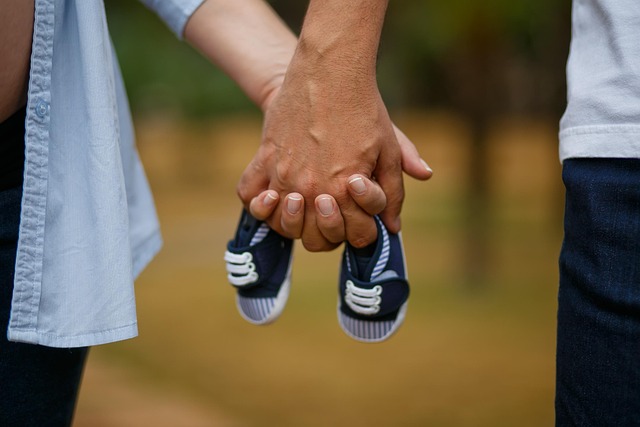
The Role of Exercise in Fertility: 42 Tips for Older Women
19. Join a Class: Joining a fitness class can provide structure and motivation, making it easier to stick to an exercise routine.
20. Invest in Proper Clothing and Equipment: Make sure to invest in proper workout clothing and equipment to prevent injuries and make exercise more comfortable.
21. Take Prenatal Vitamins: Prenatal vitamins can help ensure you are getting enough essential nutrients for a healthy pregnancy.
22. Don’t Skip Meals: Skipping meals can negatively impact fertility by disrupting hormone levels. Make sure to eat regular, balanced meals.
23. Avoid Exercising in Extreme Temperatures: Exercising in extreme temperatures, whether hot or cold, can be dangerous and should be avoided.
24. Get Your Partner Involved: Exercise with your partner to make it a fun and bonding experience.
25. Consider Acupuncture: Some studies have shown that acupuncture can help improve fertility by reducing stress and increasing blood flow to the reproductive organs.
26. Take Breaks from Sitting: If you have a desk job, make sure to take breaks from sitting and move around throughout the day.
27. Use a Standing Desk: Consider using a standing desk to reduce the amount of time spent sitting.
28. Monitor Your Menstrual Cycle: Keep track of your menstrual cycle to determine the best times to exercise for optimal fertility.
29. Don’t Exercise Too Close to Bedtime: Exercise can increase energy levels, making it harder to fall asleep. Try to finish your workout at least a few hours before bedtime.
30. Talk to Your Doctor About Medications: Certain medications, such as blood pressure medication, can affect fertility. Make sure to discuss any medications you are taking with your doctor.
31. Stay Active During Pregnancy: If you become pregnant, it’s important to continue staying active, as long as your doctor approves.
32. Don’t Compare Yourself to Others: Everyone’s fitness journey is different, so don’t compare yourself to others. Focus on your own progress and goals.
33. Stay Positive: A positive mindset can go a long way in achieving your fitness and fertility goals.
34. Don’t Give Up: It’s natural to experience setbacks or have days where you don’t feel like exercising. Don’t give up, and keep pushing forward.
35. Take Care of Your Mental Health: Your mental health is just as important as your physical health, so make sure to take care of it.
36. Consider Fertility-Specific Exercises: Some fitness programs cater specifically to fertility, such as Fertility Yoga or The Fertility Workout.
37. Surround Yourself with Supportive People: Surround yourself with people who support your fitness and fertility goals.
38. Stay Informed: Keep up to date with the latest research and information on exercise and fertility.
39. Be Patient: It may take time to see results, so be patient and keep working towards your goals.
40. Modify Exercises as Needed: If you have any pre-existing conditions or injuries, make sure to modify exercises as needed to prevent further injury.
41. Don’t Be Too Hard on Yourself: Everyone has bad days or setbacks. Don’t beat yourself up, and remember to be kind to yourself.
42. Celebrate Your Progress: Celebrate your progress, no matter how small. Each step towards your goals is worth celebrating.
In summary, exercise plays a crucial role in fertility for older women. By staying active, eating a balanced diet, managing stress, and taking care of your overall health, you can improve your chances of conceiving. Remember to always consult with a doctor before starting any exercise routine, listen to your body, and stay positive. With these 42 tips, you can take proactive steps towards improving your fertility and achieving your dream of becoming a mother.