Blog Post Title: Mindful Practices for Boosting Fertility in Older Women
Introduction:
As women age, their fertility declines, making it more challenging to conceive and carry a healthy pregnancy. However, with the right mindset and practices, women can boost their fertility and increase their chances of getting pregnant even in their late 30s and 40s. In this blog post, we will discuss mindful practices that can help older women improve their fertility and increase their chances of conceiving.
1. Prioritize Self-Care:
The first step towards boosting fertility in older women is to prioritize self-care. As women age, their bodies go through significant changes, both physically and mentally. It is essential to take care of oneself and manage stress levels to maintain hormonal balance and improve overall health. Practicing mindfulness techniques such as yoga, meditation, and deep breathing can help reduce stress and promote relaxation. Additionally, getting enough sleep, eating a healthy diet, and staying physically active can also contribute to improving fertility.
2. Understand Your Menstrual Cycle:
As women age, their menstrual cycle may become irregular, making it difficult to track ovulation. However, understanding your cycle is crucial when trying to conceive. Tracking your basal body temperature and using ovulation predictor kits can help determine the best time to try for pregnancy. Apps like Clue, Flo, and Glow can also assist in tracking your menstrual cycle and predicting ovulation.
3. Optimize Your Diet:
A healthy and balanced diet is crucial for improving fertility in older women. Incorporating fertility-boosting foods such as whole grains, vegetables, fruits, and healthy fats can improve hormone balance and promote reproductive health. Foods rich in antioxidants, such as berries, leafy greens, and nuts, can also help protect eggs from damage and improve egg quality. Additionally, staying hydrated and limiting caffeine and alcohol intake can also benefit fertility.
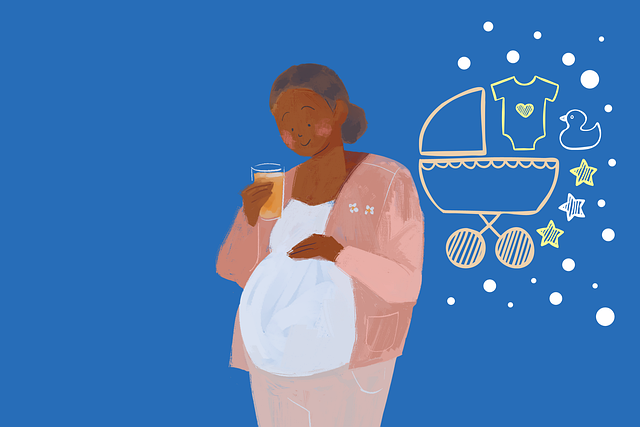
Mindful Practices for Boosting Fertility in Older Women
4. Consider Supplements:
In addition to a healthy diet, certain supplements can also help improve fertility in older women. Coenzyme Q10, also known as CoQ10, is an antioxidant that can improve egg quality and help with ovulation. Omega-3 fatty acids, found in fish oil supplements, can also improve fertility by promoting hormonal balance. However, it is essential to consult with a healthcare provider before starting any supplements to ensure they are safe and suitable for your individual needs.
5. Focus on Mind-Body Connection:
The mind and body are closely connected, and mental health can significantly impact fertility in older women. Practicing mindfulness and relaxation techniques can help reduce stress, promote emotional well-being, and improve overall health. Additionally, seeking therapy or support groups can help manage any emotional challenges and provide a safe space to express feelings and concerns about fertility.
6. Try Acupuncture:
Acupuncture is an ancient Chinese practice that involves inserting thin needles into specific points on the body to promote balance and healing. Studies have shown that acupuncture can help improve fertility in women by regulating hormones, reducing stress, and increasing blood flow to the reproductive organs. It is essential to consult with a licensed acupuncturist who specializes in fertility to ensure safe and effective treatment.
7. Consider Fertility Treatments:
If natural methods do not work, women over 35 can consider fertility treatments such as intrauterine insemination (IUI) or in vitro fertilization (IVF). IUI involves placing sperm directly into the uterus during ovulation, while IVF involves fertilizing eggs outside the body and then transferring them into the uterus. These treatments can significantly increase the chances of conception, but they also come with risks and may not be suitable for everyone. It is crucial to discuss all options with a healthcare provider and understand the potential risks and success rates before making a decision.
Conclusion:
While fertility declines with age, it is still possible for older women to conceive and have a healthy pregnancy. By prioritizing self-care, understanding the menstrual cycle, optimizing diet, and incorporating mindful practices, women can boost their fertility and increase their chances of getting pregnant. It is important to remember that each person’s fertility journey is unique, and it is essential to seek support and guidance from healthcare professionals when needed.
In summary, older women can boost their fertility by prioritizing self-care, understanding their menstrual cycle, optimizing their diet, incorporating mindful practices, considering supplements and acupuncture, and seeking fertility treatments if natural methods do not work.