Title: Fertility-Boosting Tips for Women Over 35
As women age, their fertility naturally declines, making it more challenging to conceive. This is especially true for women over 35, as their egg supply decreases and the quality of their eggs diminishes. However, with some simple lifestyle changes and proactive measures, women over 35 can boost their fertility and increase their chances of getting pregnant. In this blog post, we will discuss some effective fertility-boosting tips for women over 35.
1. Maintain a Healthy Weight
Maintaining a healthy weight is crucial for fertility, and it becomes even more important for women over 35. Being overweight or underweight can affect hormone levels and disrupt ovulation, making it harder to conceive. Therefore, women over 35 should strive to maintain a healthy body mass index (BMI) by following a balanced diet and regular exercise routine.
2. Quit Smoking and Limit Alcohol Intake
Smoking and excessive alcohol consumption have been linked to decreased fertility in women. Smoking can damage the reproductive organs and affect hormone levels, while alcohol can disrupt ovulation and cause irregular periods. Therefore, women over 35 should quit smoking and limit their alcohol intake to increase their chances of getting pregnant.
3. Get Enough Quality Sleep
Quality sleep is crucial for overall health and well-being, including fertility. Women over 35 should aim for at least 7-9 hours of sleep each night to allow their bodies to repair and regulate hormone levels. Lack of sleep can disrupt ovulation and cause irregular periods, making it harder to conceive.
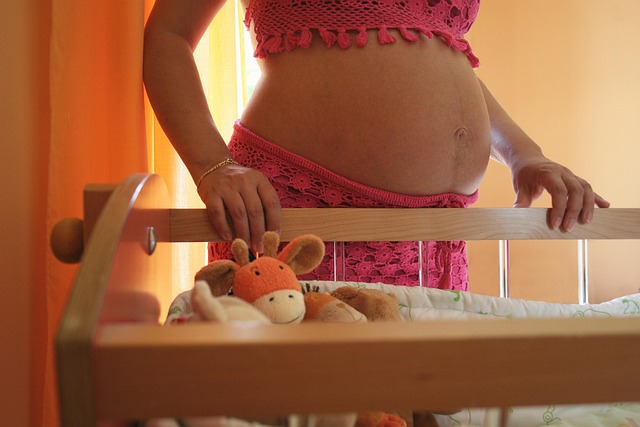
Fertility-Boosting Tips for Women Over 35
4. Reduce Stress
Stress can have a significant impact on fertility for women over 35. High levels of stress can disrupt hormone levels and interfere with ovulation. To reduce stress, women can try relaxation techniques such as meditation, yoga, or deep breathing exercises. It is also essential to find healthy ways to cope with stress, such as talking to a therapist or engaging in a hobby.
5. Take Prenatal Vitamins
Prenatal vitamins contain essential nutrients like folic acid, which is crucial for fertility and fetal development. Women over 35 trying to conceive should start taking prenatal vitamins before they get pregnant to ensure their bodies have enough nutrients to support a healthy pregnancy.
6. Monitor Ovulation
As women age, their ovulation becomes less predictable, making it harder to know the best time to conceive. To increase their chances of getting pregnant, women over 35 can use ovulation prediction kits or track their basal body temperature to determine their most fertile days.
7. Consider Fertility Treatments
If natural methods are not successful, women over 35 can consider fertility treatments like in vitro fertilization (IVF) or intrauterine insemination (IUI). These treatments can help women over 35 conceive by bypassing any fertility issues they may have.
8. Consult with a Fertility Specialist
It is recommended for women over 35 who have been trying to conceive for six months without success to consult with a fertility specialist. A specialist can assess a woman’s fertility and provide personalized advice and treatment options to increase their chances of getting pregnant.
In summary, fertility declines with age, but women over 35 can take proactive steps to boost their fertility and increase their chances of getting pregnant. Maintaining a healthy weight, quitting smoking, limiting alcohol intake, getting enough sleep, reducing stress, taking prenatal vitamins, monitoring ovulation, considering fertility treatments, and consulting with a fertility specialist are all effective ways for women over 35 to improve their fertility and fulfill their dream of becoming a mother.