Blog Post:
Fertility-Boosting Therapies for Women with Age-Related Infertility
As women age, their fertility naturally declines, making it more difficult to conceive. This can be a frustrating and emotional experience for many women who are trying to start a family. However, there are various fertility-boosting therapies available that can help women overcome age-related infertility and increase their chances of getting pregnant. In this blog post, we will discuss some of the most effective and popular fertility-boosting therapies for women with age-related infertility.
1. In Vitro Fertilization (IVF)
In vitro fertilization, commonly known as IVF, is a popular fertility treatment that involves fertilizing eggs with sperm in a laboratory and then transferring the embryos into the uterus. This procedure is often recommended for women with age-related infertility as it can bypass any potential issues with the woman’s fallopian tubes or sperm quality. IVF can also be combined with other fertility-boosting therapies, such as preimplantation genetic testing or egg freezing, to increase its success rates.
2. Egg Freezing
Egg freezing, also known as oocyte cryopreservation, is a process in which a woman’s eggs are retrieved, frozen, and stored for future use. This fertility-boosting therapy is particularly beneficial for women who are not ready to start a family yet but want to preserve their fertility as they age. By freezing their eggs at a younger age, women can increase their chances of having a healthy pregnancy later in life.
3. Donor Eggs
For women who have low egg quality or quantity due to age-related infertility, using donor eggs can be a viable option. This involves using eggs from a younger, healthier woman and fertilizing them with sperm from the intended father. The resulting embryo is then transferred to the woman’s uterus, increasing her chances of getting pregnant.
4. Fertility Medications
Fertility medications, such as Clomid or Letrozole, can help regulate a woman’s ovulation and increase her chances of getting pregnant. These drugs work by stimulating the ovaries to produce more eggs, increasing the chances of a successful pregnancy. They are often used in combination with other fertility-boosting therapies to improve their effectiveness.
5. Intrauterine Insemination (IUI)
Fertility-Boosting Therapies for Women with Age-Related Infertility
Intrauterine insemination, or IUI, is a procedure in which washed and prepared sperm is inserted directly into a woman’s uterus during ovulation. This fertility therapy is a less invasive and less expensive option compared to IVF, making it a popular choice for women with age-related infertility. IUI can also be combined with fertility medications to further increase the chances of conception.
6. Acupuncture
Acupuncture is an ancient Chinese therapy that involves inserting thin needles into specific points on the body to stimulate energy flow. When it comes to fertility, acupuncture can help regulate hormones, improve blood flow to the reproductive organs, and reduce stress and anxiety, all of which can contribute to age-related infertility. Many women have reported success with acupuncture in increasing their chances of getting pregnant.
7. Yoga and Meditation
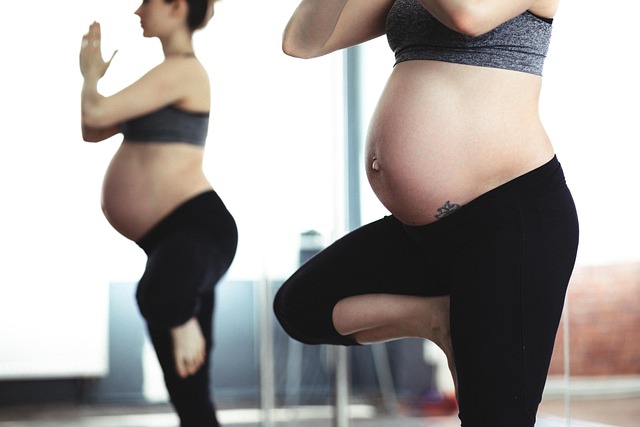
Stress can be a major factor in age-related infertility. Yoga and meditation are effective ways to reduce stress and promote relaxation, making them beneficial for women struggling with fertility issues. These practices can also help improve blood flow to the reproductive organs and regulate hormones, making them a useful addition to other fertility-boosting therapies.
8. Dietary Changes
What we eat can also impact our fertility. For women with age-related infertility, it is essential to maintain a healthy weight and eat a well-balanced diet. Foods rich in antioxidants, such as fruits, vegetables, and whole grains, can help improve egg quality and increase the chances of conception. It is also recommended to limit or avoid alcohol and caffeine, which can have a negative impact on fertility.
9. Lifestyle Changes
In addition to diet, certain lifestyle changes can also improve fertility. Quitting smoking, reducing alcohol consumption, and getting regular exercise can all contribute to a healthier reproductive system. These changes can also help regulate hormones and improve overall health, increasing the chances of getting pregnant.
10. Natural Supplements
There are various natural supplements available that can help boost fertility in women with age-related infertility. Some of the most commonly used supplements include Coenzyme Q10, Vitamin D, and Omega-3 fatty acids, all of which have been linked to improved fertility. However, it is important to consult with a doctor before taking any supplements to ensure they are safe for you and will not interfere with any other medications or fertility treatments.
Summary:
Age-related infertility can be a challenging obstacle for women trying to conceive. However, there are various fertility-boosting therapies available that can increase the chances of conception. These include IVF, egg freezing, donor eggs, fertility medications, IUI, acupuncture, yoga and meditation, dietary and lifestyle changes, and natural supplements. Each of these therapies can be used alone or in combination with others to provide the best chances of success.