Blog Post:
Fertility-Boosting Therapies for Women with Recurrent Miscarriage
Miscarriage, also known as spontaneous abortion, is a devastating experience for any woman. It is defined as the loss of a pregnancy before the 20th week, and it affects about 10-25% of all pregnancies. While miscarriages are common, experiencing recurrent miscarriage, which is defined as three or more consecutive pregnancy losses, can be emotionally and physically draining for women.
One of the major causes of recurrent miscarriage is fertility issues. When a woman is unable to conceive or carry a pregnancy to full term, it can lead to a cycle of recurrent miscarriage. This is why fertility-boosting therapies are crucial for women with recurrent miscarriage. In this blog post, we will explore some of the most effective fertility therapies that can help women overcome recurrent miscarriage and achieve a successful pregnancy.
1. In vitro fertilization (IVF)
In vitro fertilization, commonly known as IVF, is a fertility treatment where a woman’s eggs are retrieved and fertilized with sperm in a laboratory. The resulting embryos are then transferred back into the woman’s uterus, increasing her chances of getting pregnant. IVF is often recommended for women with recurrent miscarriage as it can help overcome any fertility issues that may be causing the miscarriages.
2. Intracytoplasmic sperm injection (ICSI)
ICSI is another assisted reproductive technique that is often recommended for women with recurrent miscarriage. It involves injecting a single sperm directly into an egg to fertilize it. This procedure is particularly useful for couples who have male factor infertility, where the sperm may not be able to penetrate the egg on its own. ICSI can increase the chances of a successful pregnancy and reduce the risk of miscarriage.
3. Preimplantation genetic testing (PGT)
PGT is a procedure that is used in conjunction with IVF to screen embryos for genetic abnormalities before they are transferred into the uterus. This can help identify any chromosomal abnormalities that may have been responsible for previous miscarriages. By selecting healthy embryos, PGT can significantly increase the chances of a successful pregnancy and reduce the risk of miscarriage for women with recurrent miscarriage.
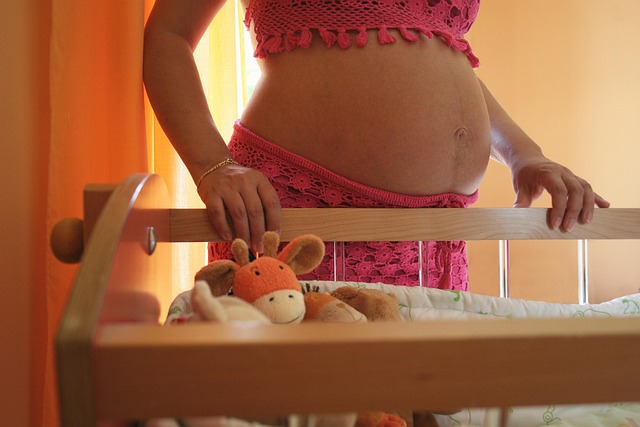
Fertility-Boosting Therapies for Women with Recurrent Miscarriage
4. Hormone therapy
Hormonal imbalances can also lead to recurrent miscarriage. Therefore, hormone therapy is often recommended to regulate the hormonal levels in a woman’s body. This can help improve ovulation, increase the thickness of the uterine lining, and create a more favorable environment for implantation. Hormone therapy can include the use of medications such as clomiphene citrate, letrozole, or gonadotropins.
5. Immunotherapy
Immunotherapy is a treatment that aims to improve the body’s immune response to pregnancy. In some cases, recurrent miscarriage can be caused by an overactive immune system that attacks the embryo, mistaking it as a foreign body. Immunotherapy involves administering medications to regulate the immune system and prevent it from attacking the embryo. This treatment can significantly reduce the risk of miscarriage for women with immune-related fertility issues.
6. Surgery
In some cases, structural abnormalities in the uterus can lead to recurrent miscarriage. These can include uterine fibroids, polyps, or a uterine septum. Surgery to remove these abnormalities can improve the chances of a successful pregnancy for women with recurrent miscarriage. The most common surgery for these issues is a hysteroscopy, which involves using a thin, lighted telescope to examine and remove any abnormalities in the uterus.
7. Lifestyle changes
In addition to medical treatments, making certain lifestyle changes can also improve fertility and reduce the risk of miscarriage. These can include maintaining a healthy weight, quitting smoking and excessive alcohol consumption, reducing stress levels, and following a balanced diet. These lifestyle changes can help optimize a woman’s overall health and increase her chances of a successful pregnancy.
Summary:
Recurrent miscarriage, defined as three or more consecutive pregnancy losses, can be a traumatic experience for women. Fertility issues are one of the leading causes of recurrent miscarriage, making fertility-boosting therapies crucial for women looking to overcome this challenge. Some of the most effective treatments for recurrent miscarriage include in vitro fertilization (IVF), intracytoplasmic sperm injection (ICSI), preimplantation genetic testing (PGT), hormone therapy, immunotherapy, surgery, and lifestyle changes. These treatments can help address underlying fertility issues, improve the chances of a successful pregnancy, and reduce the risk of recurrent miscarriage.