Summary:
The journey to parenthood can be both exciting and challenging, and for many couples, fertility is a major factor to consider. However, many people may not realize that environmental factors can greatly impact fertility and their ability to conceive. In this blog post, we will explore the various environmental factors that can affect fertility and how to address them in your preconception plan.
Firstly, we will discuss how lifestyle choices can impact fertility. Factors such as smoking, excessive alcohol consumption, and drug use can all have negative effects on fertility. Additionally, stress and lack of exercise can also contribute to fertility issues. By making healthier lifestyle choices and managing stress, individuals can improve their overall fertility health.
Next, we will delve into the role of nutrition in fertility. A balanced and nutritious diet is crucial for both men and women when it comes to fertility. Certain vitamins and minerals, such as folic acid and zinc, play a vital role in fertility and should be included in preconception diets. We will also explore foods and supplements that can improve fertility and increase the chances of conception.
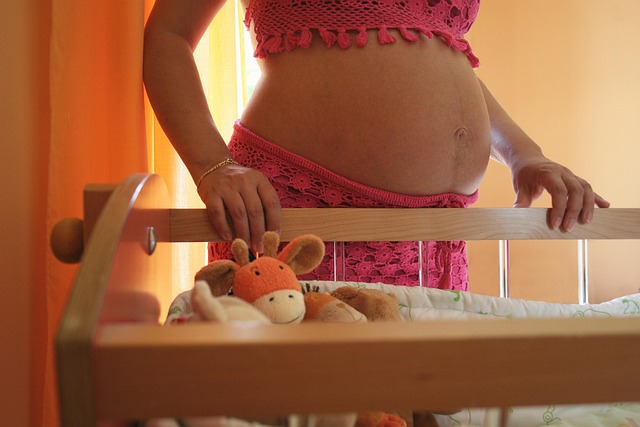
The Impact of Environmental Factors on Fertility and How to Address Them in Your Preconception Plan
Environmental toxins and pollutants can also have a significant impact on fertility. Exposure to chemicals, pesticides, and air pollution can affect reproductive hormones and decrease fertility. We will discuss ways to reduce exposure to these toxins and how to detoxify the body to improve fertility.
Furthermore, we will address the impact of age on fertility. As women age, their fertility declines due to a decrease in the number and quality of eggs. Men also experience a decline in fertility as they age, with a decrease in sperm quality. We will discuss the importance of understanding and accepting these age-related changes and how to manage expectations when trying to conceive.
Lastly, we will touch on how mental and emotional well-being can affect fertility. The stress and emotional toll of trying to conceive can have a significant impact on fertility. We will provide tips and strategies for managing stress and improving mental health during the preconception period.
In conclusion, environmental factors can greatly impact fertility and should not be overlooked when planning for pregnancy. By making positive lifestyle choices, following a balanced and nutritious diet, reducing exposure to toxins, and managing stress and emotions, individuals can improve their fertility health and increase their chances of conception.
SEO metadata: